Russian Deputy Prime Minister Alexander Novak stated in an interview with state television that the country is entering the second phase of a tense market situation regarding fuel, and that authorities are assessing where to redirect additional flows.
Novak added that several oil refineries are expected to resume operations soon after undergoing maintenance, which should lead to a significant improvement in the market situation.
Previously, last Thursday, Russian authorities acknowledged that the refinery in Orsk, located in the Orenburg region near the Ural Mountains and subjected to Ukrainian attacks, is non-operational, and repairs will take six months.
At the end of July, international media reported that the refinery in the Ryazan region, south of Moscow, was also disabled following Ukrainian attacks, with repairs in this case expected to take several weeks.
Regarding the Tyumen refinery, located approximately 2000 kilometers from the Russian border with Ukraine in Western Siberia, it is unknown when its operations will resume.
Today, Novak assured that the Government has taken a number of measures to resolve the fuel crisis and continues to implement new initiatives. These include a ban on exporting diesel fuel and the start of fuel imports.
A few hours ago, it was reported that at least two gas station networks have once again restricted fuel sales in Moscow due to a shortage caused by Ukrainian drone attacks.
These statements contrast with the position of the head of state Vladimir Putin, who today stated that while Ukrainian attacks on Russian territory cause damage, the bombings 'do not have serious consequences.'
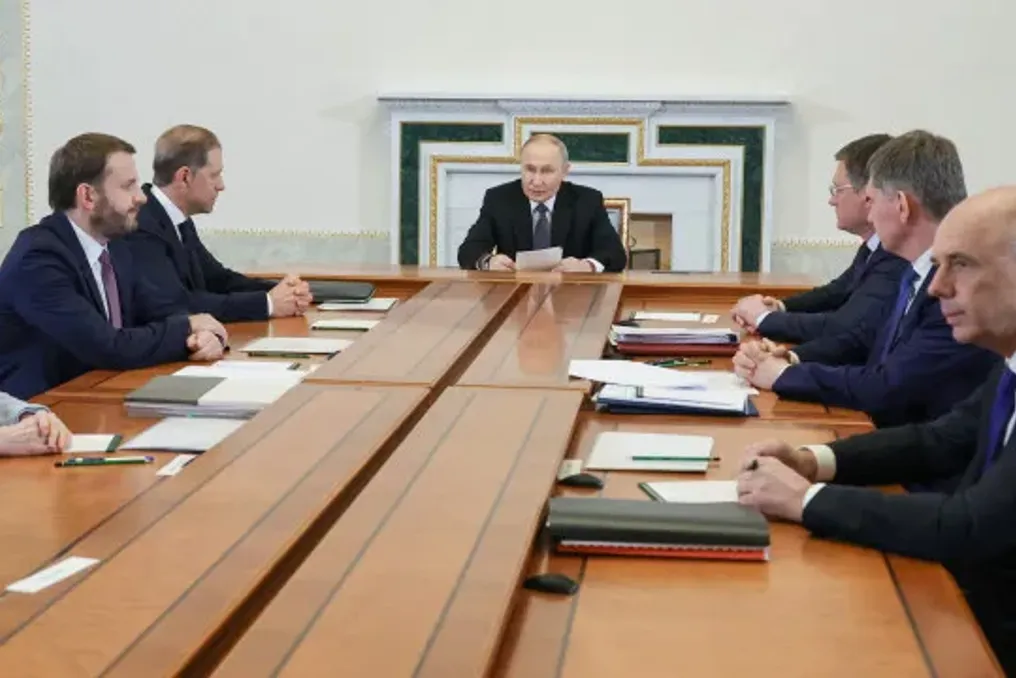
'Of course, these attacks do not have serious consequences. They never have and never will. But they certainly harm us, that is obvious,' Vladimir Putin said during a meeting of the Council for Strategic Development and National Projects, as reported by the Spanish news agency EFE.
Putin's statements came a day after the publication in the Russian newspaper Izvestia, which reported that only one-third of Russian gas stations have fuel reserves due to shortages.
According to the Russian newspaper cited by EFE, a week ago, fuel was available at 41% of the country's gas stations, indicating a worsening situation.
Last week, authorities in at least eight regions of Russia acknowledged problems with fuel in these territories.
On Tuesday, Russian Energy Minister Sergey Tsivilёв also admitted that queues have started forming again at Russian gas stations.
This is the second instance since the beginning of the year that Russian authorities have restricted fuel sales due to a deficit provoked by the Ukrainian offensive on Russia's critical infrastructure.
In addition to sales restrictions, the Russian Government has permitted the sale of Euro-2 gasoline, which is below standard quality, in an attempt to curb the market crisis.
Experts warn that lower fuel quality requirements may pose a risk to owners of cars with modern emission control systems and complex electronics, as burning such fuel produces corrosive compounds that can accelerate equipment wear.
The first wave of the fuel crisis began in May in Russia and, although it improved somewhat in early summer, worsened again with the resumption of Ukrainian attacks.
Kyiv prefers precisely such targets in the current stage of the war against Moscow.