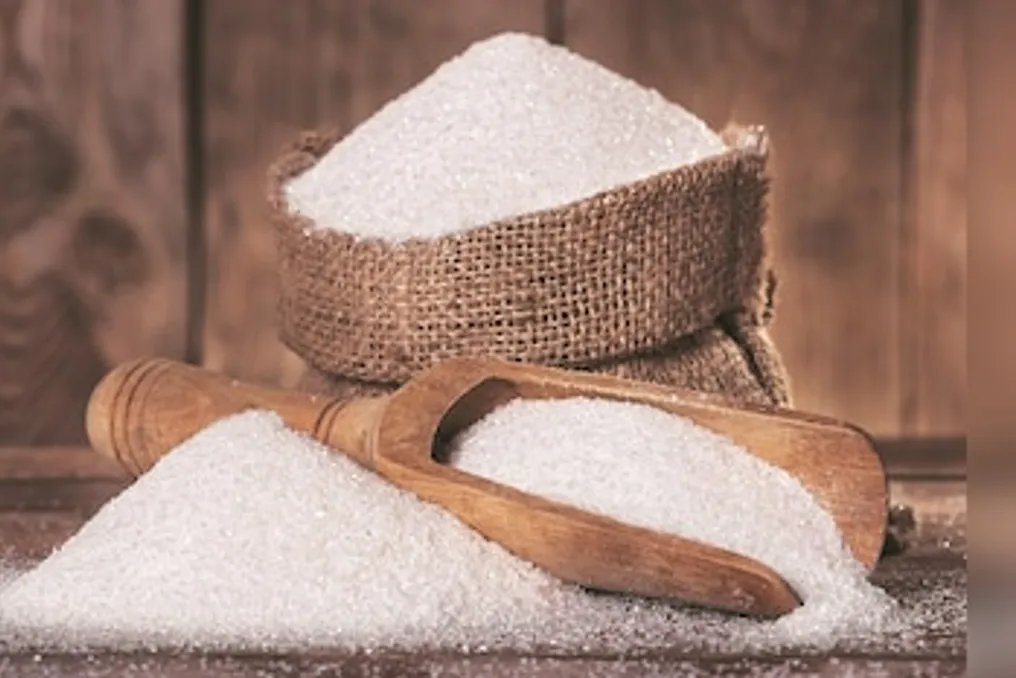
After nearly a decade-long hiatus, India plans to import about one million tons of raw sugar duty-free to stabilize domestic prices. This measure is necessary against the backdrop of the estimated price of sugar in Maharashtra reaching record highs of ₹5400–₹5560 per quintal.
The sharp rise in prices, which began in March 2026, coincided with the start of the high consumption season during holidays. The main reason for this was the depletion of warehouse stocks, as consumption exceeded production volumes in the 2025–26 season, which started on October 1, 2025.
Some experts believe that the situation was exacerbated by the decision to allow the export of 1.5–2.0 million tons of sugar, despite deficit forecasts, which experts claim were based on erroneous production estimates. In November 2025, the Centre first approved an export of 1.5 million tons, later increasing this quota to 2 million tons.
Industry estimates suggest that about 0.8 million tons of sugar were exported before the ban, which is almost equivalent to the amount now planned for import as raw sugar. One senior industry executive noted that this indicates someone misled the system regarding the reliability of the country's sugar reserves, while production failed to cover consumption.
This executive also explained that an additional export quota of 0.5 million tons was permitted in February 2026, four to five months after the start of the crushing season. He added that the supply crisis began back in March when factories struggled to meet monthly internal sales targets, and warning signs should have appeared then when prices started rising.
According to industry sources, India last allowed raw sugar imports in the 2016–17 season. Some calculations show that the actual net sugar production in the 2025–26 season is about 27.9 million tons after deducting 2.4 million tons of ethanol. The initial stock in 2025–26 was about 4.7 million tons, giving a total availability of approximately 32.6 million tons. With projected consumption at 28 million tons, the remaining stock should have been around 4.7 million tons.
However, when export shipments are factored in and 0.8 million tons are added to consumption, final stocks drop to 3.5–3.9 million tons, putting the country at risk of a shortage. Another official representative noted that ideally, India should maintain a regulatory closing stock of 6 million tons of sugar, corresponding to three months of consumption, but the current situation might lead to stocks being below the required level by the start of the 2026–27 season on October 1, 2026.
This necessitated the import. Government sources reported that the government presumably advised factories to accelerate the crushing process to maintain availability, but this might not be enough to cover the deficit, necessitating the import. Furthermore, reporting and disclosure norms for stocks have been tightened.
The question remains whether the potential import of 1 million tons of sugar will lead to a significant decrease in wholesale and factory prices. Sources assert that such a substantial drop will not occur, and prices may decrease by ₹500 per quintal from the current level at best. However, one industry leader noted that this is not too negative for factories, as even with a price reduction of ₹500 per quintal, they will still be above the production cost of ₹4200–₹4300 per quintal, which will help repay debts to sugar beet producers faster.
Meanwhile, in the global market, the benchmark raw sugar index in New York recently reached a 14-month high—nearly 17.47 cents per pound following news of India's plans to import after nearly a decade-long break. This figure is equivalent to an FOB price of about ₹3840 per quintal with zero duty, implying a significant positive margin upon import, added the industry executive.