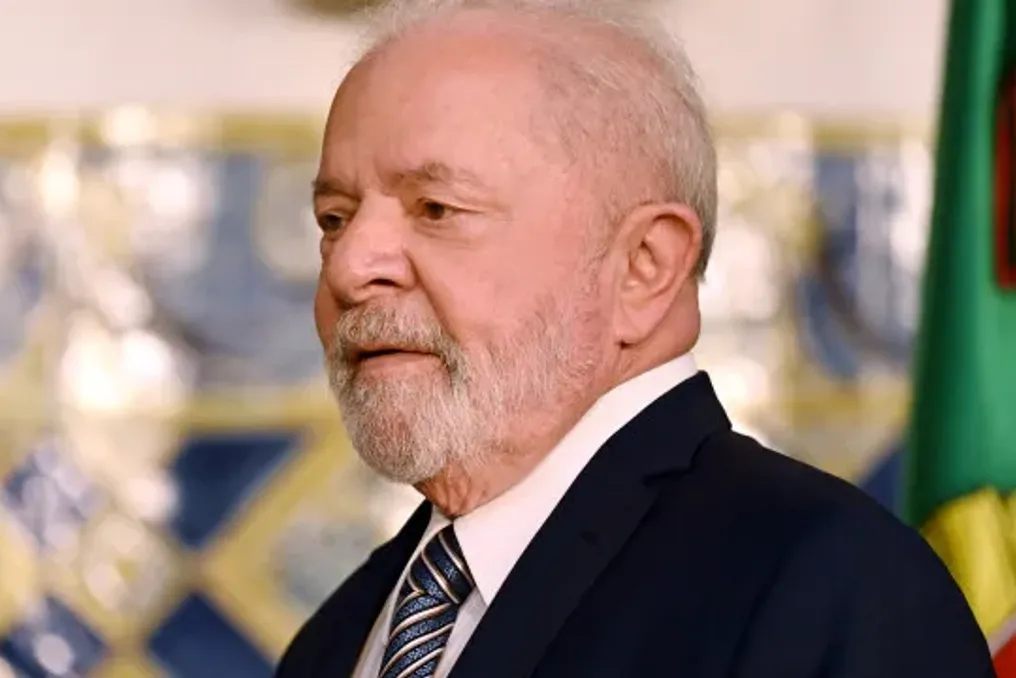
The theme of national sovereignty has been recurrent in the statements of the Workers' Party (PT) candidate seeking re-election in the October elections. These declarations have gained more prominence due to the diplomatic crisis between the Palácio do Planalto and the White House, especially after the United States labeled the two largest Brazilian criminal factions as terrorist organizations, generating fear of military intervention in the country by Brasília.
During a visit to the Brazilian Navy's scientific and military complex, located in the city of Iperó, in the interior of the state of São Paulo, Lula defended the continuation of the development of a nuclear-powered submarine, an essential component of the Naval Nuclear Program.
The Brazilian president emphasized that such a vessel is crucial for the country to acquire technology for export and to carry out uranium enrichment for peaceful purposes, as established by the Constitution. He stressed that it is fundamental to finalize this project so that Brazil becomes one of the few countries, alongside nations with seats on the UN Security Council, capable of building a nuclear submarine.
Lula reinforced the importance of the country having defense capability, stating: 'It is not a small thing. We do not have national sovereignty because we give speeches. Speeches are just words, because the opponent sometimes doesn't even listen.' He added that it is necessary to be prepared so that others know that Brazil will have the strength to refuse or to compete.
After visiting the Navy's Isotopic Enrichment Laboratory, the president highlighted that despite the government budget prioritizing health and education, it is necessary to allocate funds for the completion of the nuclear submarine construction. Lula mentioned that the project has been underway since 2007, meaning since the beginning of his second term, and acknowledged that budget cuts and blocks hinder its completion.
He concluded that something so vital to Brazil's national sovereignty and international respect cannot depend on budgetary instability. Before Lula's speech, the Navy commander, Sergio Sampaio Olsen, reported that Brazil holds the sixth-largest global uranium reserve. Olsen supported the maintenance of the Naval Nuclear Program, citing that it sustains 60,000 direct and indirect jobs, involving 900 companies.
The commander also warned that the development of a program aimed at a nuclear submarine occurs in a very complex geopolitical scenario, a dynamic that requires deep analysis and demonstrates President Lula's willingness to guarantee the country's sovereignty.