Every year during the holiday season, smartphone buyers anticipate major discounts, especially around Diwali. However, the situation might change in 2026, particularly for those planning to purchase an expensive foldable phone.
The reason lies not only in promotions or offers but also in increased manufacturing costs for smartphones. The cost of memory chips is rising, and the rupee has weakened. Furthermore, supply issues persist, and all these factors are gradually reflected in phone prices.
This is already noticeable in the Indian smartphone market. According to IDC data, smartphone sales in India fell by 11.1% year-on-year in the second quarter of 2026, reaching 33.2 million units. Nevertheless, the average phone price increased by 14.4%, hitting a record $315. This means people are buying fewer devices but spending more money on each purchase.
Foldable phones are inherently more expensive than regular smartphones because they use costly components such as flexible screens, specialized hinges, increased memory, and high-performance processors. Consequently, the rising cost of these components may also affect premium models.
The main concern is the cost of memory. Demand for high-speed memory for AI-driven data centers has sharply increased. Manufacturers are directing more resources in this direction, which impacts the price of memory used in smartphones. IDC has also included the rising cost of memory among the key factors putting pressure on phone prices. Thus, the issue is no longer just about the size of discounts during sales, but also about the initial device price.
Interestingly, against the backdrop of a general slowdown in the Indian smartphone market, demand for expensive models is growing. According to CMR, the overall smartphone market in India contracted by approximately 10% in the second quarter of 2026, yet sales of super-premium phones priced above 50,000 rupees increased by 72%.
IDC data also points to this: pressure is being exerted on budget phones, while consumers are gravitating towards premium models. This trend is known as premiumization in the smartphone market. Foldable devices are the most expensive part of this shift, but demand for them is also rising. According to Counterpoint Research estimates, global sales of foldable smartphones could grow by 21% in 2026, with large book-style foldables playing a key role.
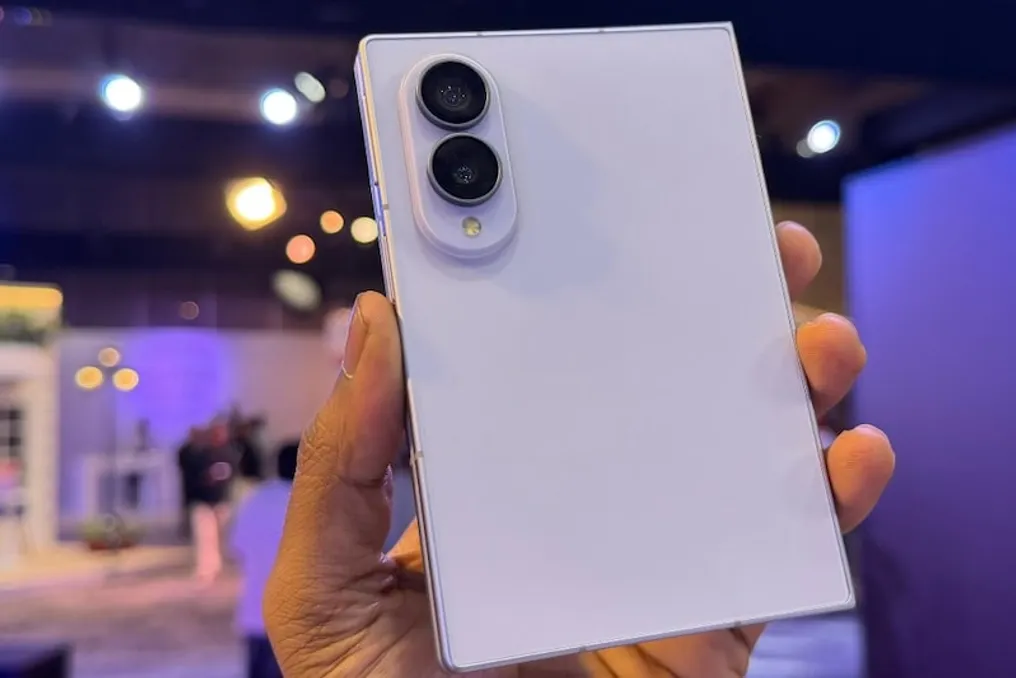
Samsung's Galaxy Z Fold8 serves as a good example of this market development trend. The starting price of the Galaxy Z Fold8 in India is ₹179,999. It offers the user a large-screen experience that can be used for multitasking, work, and entertainment.
Careful decisions must be made here. It cannot be said that there won't be good deals on foldable phones during the holiday sale; bank offers, exchange deals, and EMI options may appear during sales. However, companies are currently facing cost pressures. IDC forecasts that pressure on the smartphone market may intensify in the second half of 2026, making it difficult for companies to offer as attractive discounts as before.
Therefore, if you have already decided to buy a foldable phone, waiting months hoping for a sharp price drop during the holiday sale might not be the best move. On the other hand, if you don't need a phone right now, you shouldn't buy one solely out of fear of rising prices. It would be wiser to compare discounts, bank offers, and trade-in values against the actual price.