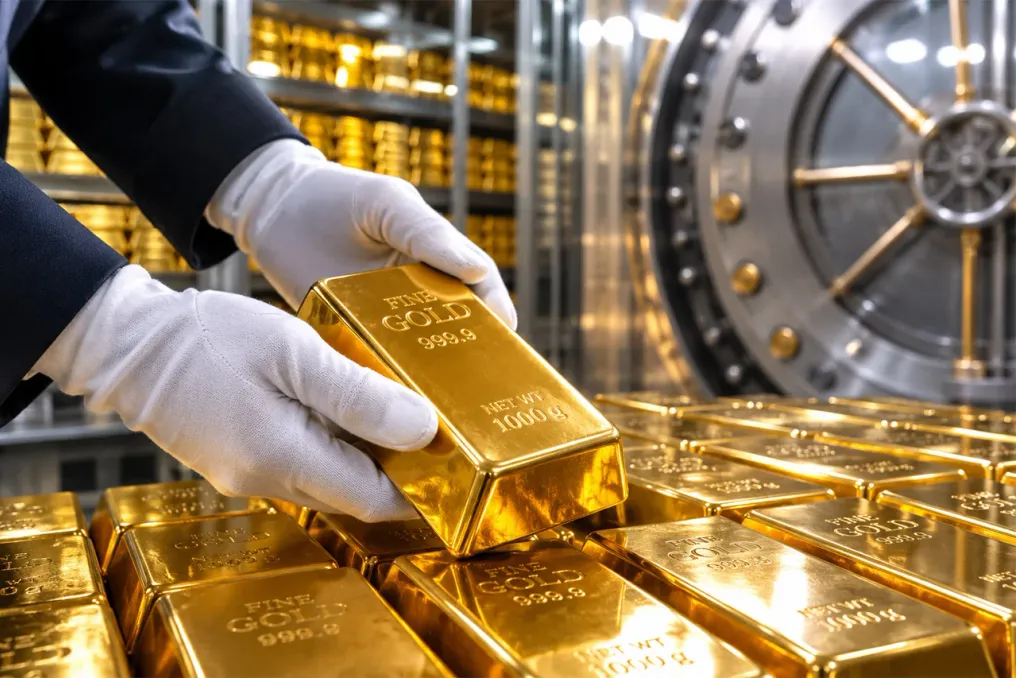
Metal markets in mid-August faced increased pressure due to macroeconomic factors, the main one being rising government bond yields. The yield on 30-year US Treasury bonds reached its highest level in 19 years, and sovereign debt yields in other major economies also approached multi-year highs.
Higher rates contribute to a stronger dollar, increase the cost of capital, and reduce the attractiveness of assets that do not generate interest income. Gold traded below $4360 per ounce after falling nearly 2% the day before, while silver dropped below $63 per ounce. Both metals are influenced not only by rising rates but also by the renewed oil premium.
The disagreement between the United States and Iran regarding the cessation of conflict and the opening of the Strait of Hormuz heightens risks in the oil market, which in turn increases expectations of more persistent inflation. Donald Trump stated that negotiations with Tehran are not taking place, while Iranian forces have intensified attacks on vessels in the strait.
This environment creates difficulties for precious metals. Under normal circumstances, geopolitical tension could support gold and silver as safe-haven assets. However, the market is currently viewing the situation more broadly: if tensions in the Middle East lead to higher oil prices and inflation, the Federal Reserve may extend its restrictive policy.
Markets await the release of the Federal Reserve's July meeting minutes, as well as Kevin Warsh's speech at the Jackson Hole symposium. These signals could be the main guide for gold and silver until the end of the month.
Against this backdrop, platinum showed notable resilience. Its price holds around $1730 per ounce after rising to a two-month high. Support comes from expectations of demand from hybrid vehicles, where platinum group metals continue to be used in catalytic systems. The market is also factoring in risks to production in South Africa related to power outages and technical limitations at mines.
Nevertheless, investors remain cautious in the long term, as the growing share of electric vehicles is gradually changing the structure of demand for automotive catalysts.
Zinc stands out in the industrial metal segment. Futures are trading near $3700 per ton, approaching four-year highs. The main factor is supply shortage. Heavy rains and floods in China threaten mine and metallurgical plant operations, and some production cuts and scheduled maintenance have already reduced concentrate and pure metal output.
Supply pressure is also observed outside of China. Production at major producers, including Glencore, Boliden, and MMG, has decreased in recent reporting periods. LME inventories fell to their lowest level since December, and a high proportion of canceled orders indicates less metal available for immediate delivery.
Copper, conversely, fell to $6.45 per pound after a recent strong rally. The trigger was the replenishment of LME inventories. Inventories rose by 20,000 tons in one day, the largest daily increase since April. The additional supply weakened some pressure after the historical tightness in availability, which had previously pushed prices to record levels. Nevertheless, it is still too early to speak of a trend change.
Chile, the world's largest copper producer, expects lower output this year due to issues at mines and project delays. At the same time, long-term demand from the energy, infrastructure, and technology sectors remains high.
Aluminum fell from a seven-week high to $3270 per ton. The market is reacting to news of production recovery in the Persian Gulf. Emirates Global Aluminium confirmed plans to return its Tavileh plant to full capacity by the first quarter of next year. This eased some concerns about supplies from the region, which provided about 10% of global aluminum production before the conflict. Another factor was the decision to support the largest aluminum plant in Australia, which also reduces the risk of supply disruptions.
Overall, the metal market is currently driven by several different stories, not a single overarching trend. Gold and silver depend on bond yields, the dollar exchange rate, oil prices, and signals from the Federal Reserve. Platinum is supported by supply constraints and demand from hybrid vehicles. Zinc is rising due to localized supply shortages and production disruptions, copper is correcting after inventory replenishment, and aluminum is reacting to supply recovery prospects.
The main theme remains unchanged: the commodity market assesses not only geopolitical events but also the actual availability of metals right now.