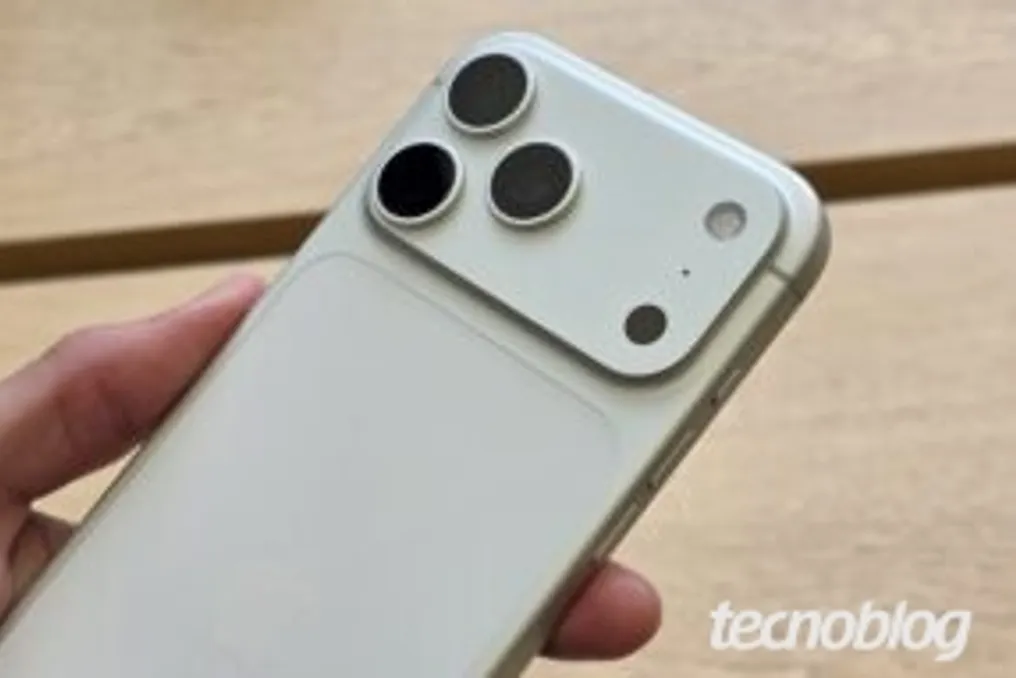
iPhone 18 Pro Max may surpass the Pro in camera specifications, besides size
Read more
Tecnoblog
tecnoblog.net

iPhone 18 Pro Max may surpass the Pro in camera specifications, besides size

In the next generation of iPhones, the Pro Max version may present advantages over the Pro model, not only in terms of dimensions but also in advanced photographic features. The main speculated advantage lies in increased zoom range and the introduction of a lens aperture variation, a feature that would be unprecedented in Apple's devices.

If this information is confirmed, this would be the second time in iPhone history that the Pro Max would be technically superior to the Pro. The first occurrence was observed in the iPhone 15 Pro Max, which featured the tetraprism lens, absent in the smaller version. Implementing a variable aperture would allow for more sophisticated image captures even in low-light conditions, regardless of using Night Mode.

The ability to vary the lens aperture is a significant attraction for consumers seeking the top-of-the-line model for maximum quality in photos and videos. Currently, Apple phones operate with fixed focus, making only small adjustments digitally. The new mechanism would be physical, incorporating a small shutter in one of the cameras.

Portrait Mode, for example, would simulate this depth modification, which is determined by changing the aperture. Instead of the constant f/1.7 used in the iPhone 17 Pro and Pro Max, the new model would allow adaptation to different standards, controlling light entry and offering adjustable depth perception. According to MacRumors, it is not yet defined whether this adjustment will be manual or automatic, but it would represent a differentiator to position the iPhone as equipment similar to a DSLR.

Although aperture adjustment is not an exclusive innovation of smartphones, other companies have already used it. Samsung implemented this feature in older models, such as the Galaxy S9 and Galaxy S10, with the Galaxy S10 being the last from the company to have a variable aperture. Furthermore, recent rumors suggest that the South Korean giant is developing the return of this functionality in the Galaxy S27 Ultra, expected in early 2027, aiming to compete directly with the iPhone 18 Pro Max.

Chinese brands already offer flagship phones on the market with variable lens apertures. Among them are Honor, with the Magic6 Pro, and Huawei, which offers the feature in its Pura and Mate lines, exemplified by the Huawei Pura 70 Ultra and Huawei Mate 60 Pro+. In these examples, the adjustment is mechanical, varying between f/1.4 and f/2.0 in the case of the Honor device, and can reach f/4.0 in the most advanced Huawei models.

A leak in June already signaled the existence of the variable aperture, based on internal documents from Tata Electronics, a lens supplier for Apple devices. It is expected that the model will use Sony IMX905 sensors, which support aperture adjustment. Additionally, the website 9to5Mac points out that the iPhone 18 Pro Max will come equipped with 6x optical zoom and better performance in dark environments.

This novelty suggests that the larger size of the line would be explored by Apple to enhance its camera system. Rumors also indicate that the model would be larger and heavier than the iPhone 17 Pro Max. Regarding the launch, it is predicted to arrive in September, along with the iPhone Ultra, Apple's first foldable device.
Similar stories

iPhone 18 Pro manufacturing cost may increase by 38%, according to reports
Read more
tecnoblog.net

iPhone 18 Pro manufacturing cost may increase by 38%, according to reports

The iPhone 18 Pro may have a production cost 38% higher for Apple. This cost increase could result in a higher final price for the device; speculation points to $1,399, which is equivalent to about R$ 7,145 at the current exchange rate. However, it seems the company will choose to absorb this additional cost, reducing its profit margin, instead of passing the full increase on to the consumer.

Additionally, the iPhone 17 Pro may also see a price adjustment starting this week, although there is no official confirmation yet. The main reason cited by specialized press is the crisis in RAM availability, but other stages of the production process would also be impacted.

According to the portal 9to5Mac, Apple will likely adopt a tactic similar to the one used in the MacBook line, implementing a partial increase in the final value of the products. Despite this, research conducted by the site TrendForce indicates that manufacturing costs could grow even more in 2027, exceeding the projected 38%, making it harder to maintain competitive prices.

Apple stands out as one of the few companies in the technology sector that has not experienced significant price changes recently. Even after CEO Tim Cook declared that adjustments were 'unavoidable,' the phone line remains unchanged. So far, movements have been noted in computer models, such as Mac Mini and Mac Studio, but some analysts have already predicted increases starting with the next generation of iPhones.

The report released by TrendForce reinforces this prediction due to the increase in production costs. According to the publication, RAM is the main cause, representing 34% of the total assembly cost. If the shortage persists at the same rate, chips could account for over 40% of the cell phone's total manufacturing value.

In this scenario, costs could exceed the 38% increase predicted for the initial period, as early as the first fiscal quarter of 2027. It is important to note that, as previously reported, Apple is expected to launch a second product window between March and June of next year with the standard iPhone 18.

To compensate for this substantial increase without drastically raising the price of the premium model, Apple could dilute this cost across other generations. The iPhone 17 Pro, for example, would be one of the first to feel this adjustment, expected this second week of August. However, as of the closing of this article, the suggested price on the Apple website remained unchanged.

A warning issued by TrendForce points to an even more challenging situation for Android devices in the coming months. Higher prices will be more noticeable in entry-level or mid-range devices, categories where manufacturers' profit margins are smaller.

The RAM shortage constitutes a generalized problem in the technology market. The redirection of memory manufacturers towards components intended for artificial intelligence servers has reduced the supply of chips for hardware products. This has impacted various segments, from computing to video games, resulting in delays and increased costs in the development of the future PlayStation 6, for example.

Popular