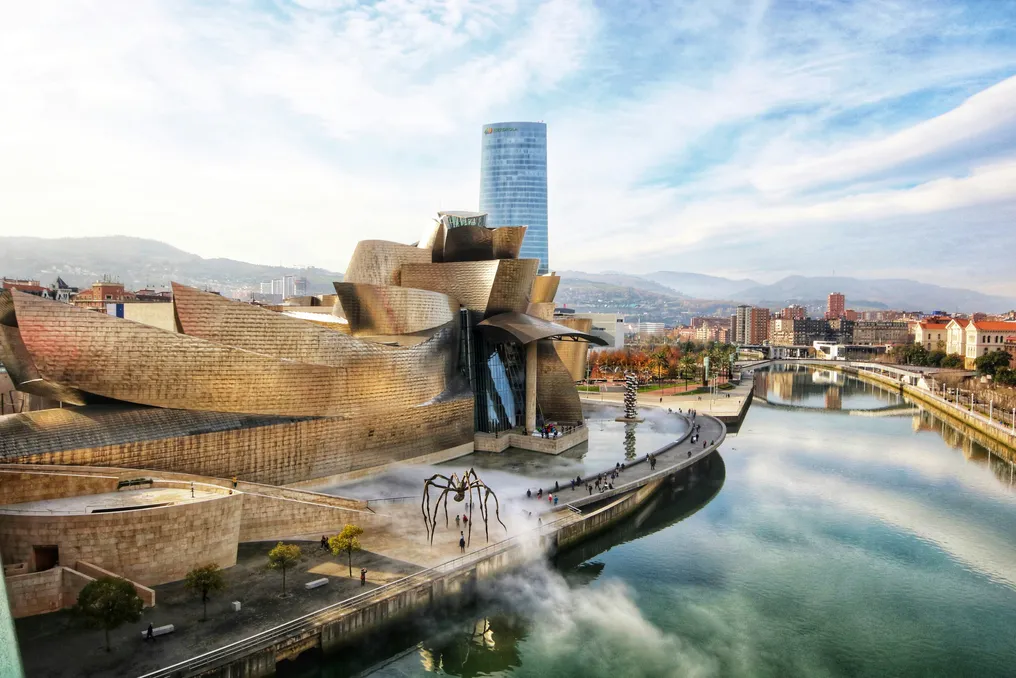
The World Travel & Tourism Council (WTTC) has launched a campaign to elect the 7 New Wonders of the Contemporary World, marking a twenty-year gap since the last selection. The public has the opportunity to participate by voting for monuments built after 1801 through the project's official website, with a deadline set for January 7, 2027. The final results will be announced on July 7.
This initiative defines a wonder as any human creation that generates a positive impact on the communities where it is located. To be considered, the attraction must have relevance in its territory, generate opportunities, and can be either a popular tourist spot or a lesser-known landmark.
Founded in 1990, the WTTC functions as a global authority in the tourism and travel sectors, collaborating with governments and institutions to foster these markets. Its members include prominent figures such as Christopher J. Nassetta, CEO of Hilton; Jason Liberty, CEO of Royal Caribbean; and Pierfrancesco Vago, an executive from the MSC group.
The selection process requires interested parties to access the group's official portal and indicate the attraction they liked the most. After collecting public suggestions until January 7, 2027, a panel of WTTC experts will compile an initial list of 70 selected sites, followed by the announcement of the 30 finalists on April 7.
The criteria used to determine the winners include contribution to the tourism sector, economic impact, benefit to the local community, and destination development, in addition to considering the cultural and architectural importance of each attraction.
The seven Modern Wonders of the World were presented in 2007, as a result of a global survey organized by New7Wonders, an entity separate from the WTTC. This initiative began in 2001, conceived by Swiss-Canadian filmmaker Bernard Webe, whose purpose was to safeguard global historical heritage. This list includes Christ the Redeemer, Machu Picchu, Chichen Itza, the Colosseum, the Great Wall of China, Petra, and the Taj Mahal.
Additionally, there are the 7 Ancient Wonders of the World, an ancient collection whose first mentions date back to 2 BC. These references emerged from Greek travelers who, while exploring different nations, compiled guides with the most notable tourist attractions of their lands, representing a primitive form of what currently occurs at the WTTC. The most recognized lists are those attributed to the poet Antipater of Sidon and the mathematician Philo of Byzantium, although Callimachus of Cyrene and the historian Herodotus also contributed. The version that endures today is a fusion of these selections, often based on the individual perception of these historical figures. Almost all located in the Mediterranean, the ancient structures include the Great Pyramid of Giza, the Mausoleum at Halicarnassus, the Temple of Artemis, the Statue of Zeus, the Colossus of Rhodes, the Lighthouse of Alexandria, and the Hanging Gardens of Babylon.