Cape Town prepares water supply for future uncertainties by expanding water sources
Read more
IOL
iol.co.za

Cape Town prepares water supply for future uncertainties by expanding water sources

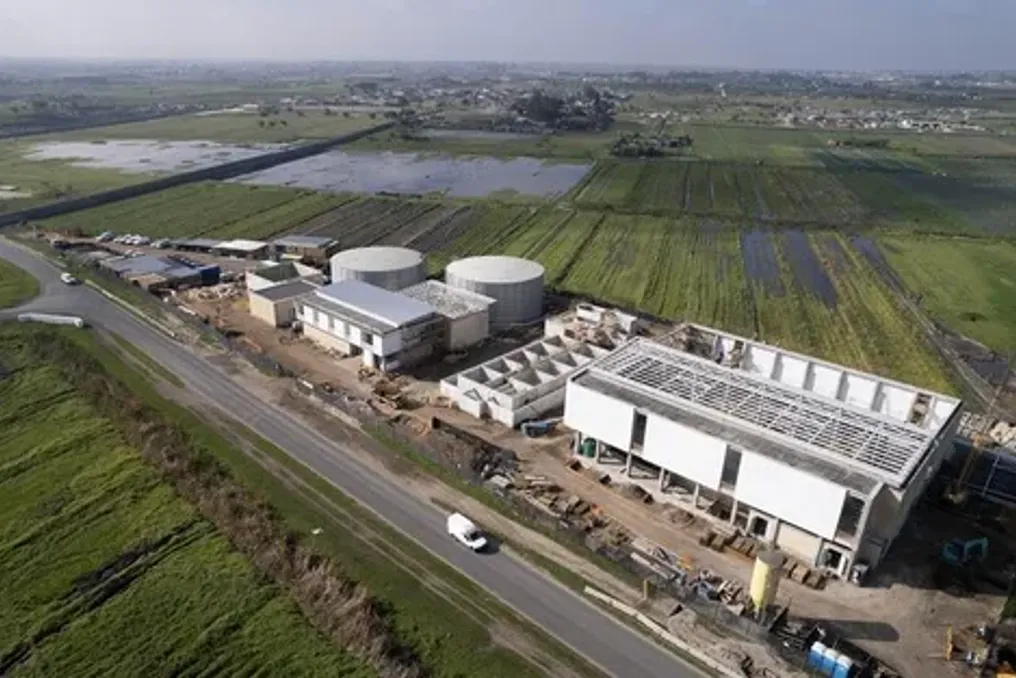
The Cape Town administration is taking steps to ensure reliable water supply amid growing demand and insufficient rainfall. The construction of the Philippi extraction facility continues under the City's New Water Supply Programme, aimed at diversifying water sources.

According to the 2026 Water Supply Report, water consumption exceeded the set target for 2025/26. Reasons for this include lower than expected rainfall, an early end to the rainy season, and a longer dry summer. Furthermore, household winter water consumption remained above forecasts, decreasing mainly during the rains.

Advisor Zahid Badroodien, a member of the Majority Committee on Water and Sanitation, emphasized that drought preparedness is being undertaken proactively. He stated: 'We are not waiting for the start of the next drought to begin preparations. We are investing now in new water sources and improved management methods for our existing resources.'

Badroodien's goal is to create a water supply system that is increasingly resilient, diversified, and capable of withstanding climate instability, drought, and the needs of a growing population. He also urged residents and businesses to use water judiciously, noting that any reduction in unnecessary consumption helps protect Cape Town's available resources and increases the system's flexibility in managing future loads.

To raise awareness, residents can view full-size models of the Water and Sanitation Directorate mascot, Manzi, displayed in 102 libraries across the metropolis.

Reservoir levels are stable, but rainfall remains uncertain

The report shows that thanks to early rains, reservoir levels reached approximately 76% in July 2026, which reduces immediate supply risks. Nevertheless, given the forecast of below-average rainfall, the city is closely monitoring the situation for potential low-level restrictions. Water security also depends on demand management, infrastructure limitations, maintenance, and the implementation of complex long-term projects.

The New Water Supply Programme aims for source diversity—including groundwater, surface water, reuse, desalination, and nature-based solutions—with the goal of increasing the daily volume by 300 million liters by 2036.

Some key initiatives are already operational. The Transcaledonian Tunnel Authority is implementing the Berg-Woelwley River Augmentation Scheme for the National Department of Water Resources and Sanitation. This scheme is intended to provide about 40 million liters per day, but its delivery has been postponed until 2030 due to funding and procurement issues. The first phase of the Faure New Water Supply targets providing up to 70 million liters per day.

Badroodien noted that the city is navigating complex requirements related to the first major public-private partnership, with the qualification request process expected in September 2026, and initial water delivery planned for 2031. Regarding the planned Paarden Island desalination plant with a capacity of 70 million liters per day, the Transnet National Port Authority (TNPA) announced in November 2025 plans to update its Port Development Plan (PDFP) in 2026, which could potentially affect the project's feasibility assumptions. The city is evaluating alternative options to guarantee technical feasibility, availability, and integration, pushing back the expected delivery of desalinated water to 2036.

Badroodien concluded that despite current supply stability, demand management is crucial. To this end, the city is implementing leak detection, pressure management, infrastructure replacement, and improved metering.
Similar stories

Water crisis in Durban: Residents face difficulties due to infrastructure decay
Read more
iol.co.za

Water crisis in Durban: Residents face difficulties due to infrastructure decay

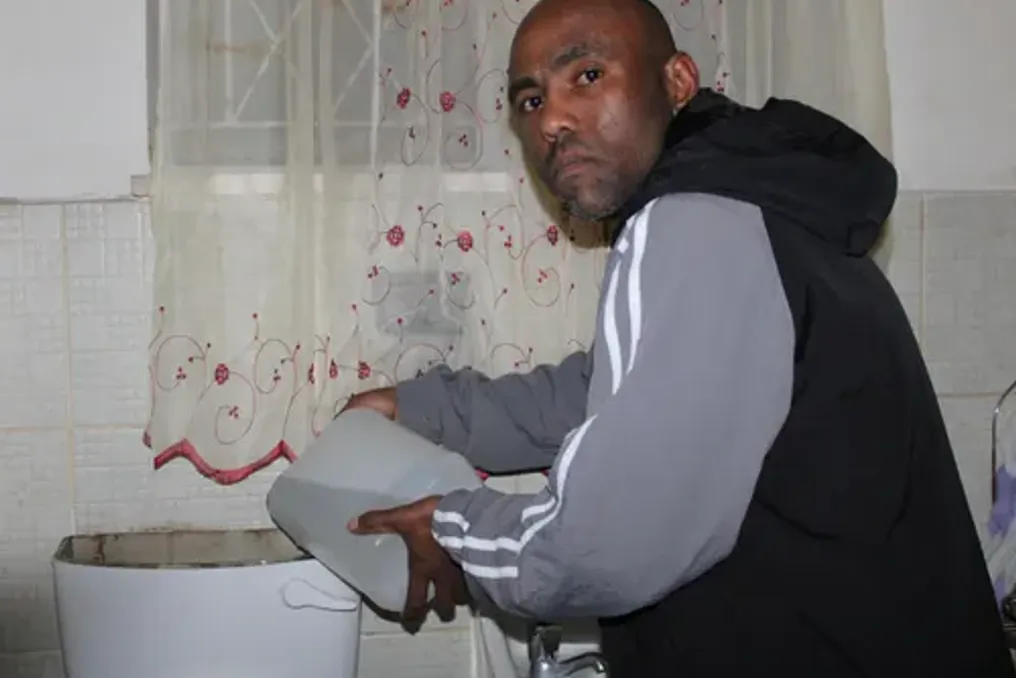
Residents of Durban regularly face water shortages due to outdated infrastructure and frequent outages, which negatively affects their health and daily lives. Josini Perumal interviewed local residents, who shared their problems and the municipality's efforts to resolve this crisis.

Residents of Bluff, Merebank, Montclair, Cato Manor, Clairwood, Umbile, Bellair, Beyhead, Yellowwood Park and surrounding areas experienced six days without water supply, which ended on Sunday. The cause of the latest water disruption in the southern areas of Durban was a pipe burst at the Wiggins Water Treatment Plant.

Regular water outages in Durban and neighboring settlements have become commonplace for citizens. The eThekwini Municipality often finds itself in a difficult situation, responding to angry residents facing a lack of water. The main problems cited by the municipality are damaged pipelines, aging infrastructure, and vandalism.

After water flowed from the Wiggins Water Treatment Plant infrastructure, the supply was restored on Sunday. Specialized teams worked around the clock to locate and fix various leaks on the 750 mm steel pipe.

When the correspondent visited Bluff, the level of frustration among residents was very high, as they walked to water tankers set up in the area. Ronnie Naidu, 59, reported that his family of six had been suffering from the flu, and it was difficult for them to maintain hygiene without water. He noted that the outages affect both health and daily life.

Patsy Reddy, 66, recounted that when the water was cut off on Tuesday, she had no reserves. She could not cook, use the toilet, or clean the house. She recalled managing to get water from a tanker later, but being elderly and ill, she could only manage two five-liter bottles. She was distressed watching older people try to quickly reach the tankers, carrying heavy buckets and bottles.

Her son, Terino Reddy, 36, stated that after work on Tuesday, he could not use the toilet or bath. He expressed hope for infrastructure maintenance to avoid such situations in the future.

Another resident, Caitlin Taylor, shared that they had to travel to relatives in Amanzimtoti every morning and evening to shower before and after work. She noted that the outages increase costs and create inconvenience.

Mbali Humalo and her children, who were walking to the tanker on Marine Drive, expressed disappointment over the disruptions. Humalo emphasized the need to accelerate repair work to preserve human dignity and insisted that residents should not be deprived of the basic right to water for days on end without a clear plan from the city.

Former ward councilor Duncan Du Bois reported that water started flowing into the Bluff reservoir on Saturday, but this flow was brief due to excessive demand, leading to the rapid depletion of the Bluff Tower and further water shortages. He added that on Sunday, the sixth day without water, the supply was finally restored, and although water trucks were available, this created great difficulty for the elderly and those without transport.

Professor Hope Magidimisha-Chipungu from the University of South Africa (UKZN), Chair of the South African Research Chairs Initiative (SARChI) for inclusive cities, noted that the interruptions have become so frequent that many families have started organizing their routines around storage containers, municipal updates, and the uncertain time of water restoration.

She explained that the causes of these failures are multifaceted: Durban's water supply system is under pressure due to aging infrastructure, rapid urban growth, climate change, power outages affecting water infrastructure, vandalism, and the aftermath of the devastating floods of 2022, which damaged critical municipal infrastructure. The municipality also pointed to reduced production at treatment plants during algal blooms and periods of extremely high demand.

Magidimisha-Chipungu stressed the importance of acknowledging the measures already being taken. The eThekwini Municipality is investing in the rehabilitation of aging water infrastructure, modernization of main pipelines, strengthening the Southern Aqueduct, and increasing the reliability of the urban water supply system. Leak repair programs have been expanded, and communication with residents during major disruptions has become more regular.

However, she warned that acknowledging progress should not prevent an honest analysis. Residents expect assurance that current projects are moving the city towards reliable water supply. They also demand timely information, realistic restoration timelines, and greater transparency in the work. Trust is built not only on engineering solutions but also on accountability and consistency.

In Magidimisha-Chipungu's view, one of Durban's biggest opportunities is reducing water losses. The municipality acknowledged that non-revenue water—water lost due to leaks, bursts, illegal connections, and metering errors—remains a serious operational problem. Recent reports show positive trends: non-revenue water has decreased from approximately 58% to 53%.

The eThekwini Municipality and uMngeni-uThukela Water indicated that reducing losses through maintenance and demand management is one of the fastest and most cost-effective ways to strengthen water security. Investments in maintaining existing infrastructure are just as valuable as new ones, as they protect already treated, pumped, and paid-for resources.

Magidimisha-Chipungu called for shifting the focus from emergency response to prevention. Preventive maintenance, loss reduction, infrastructure modernization, and the implementation of smart technologies for leak monitoring and detection have become necessary investments in the city's future sustainability. She concluded that access to clean water is a constitutional right and the foundation of human dignity for residents of areas like Tongaat, Shalcross, and Bluff.

Water crisis observed in Durban: districts face severe water shortage
Read more
iol.co.za

Water crisis observed in Durban: districts face severe water shortage

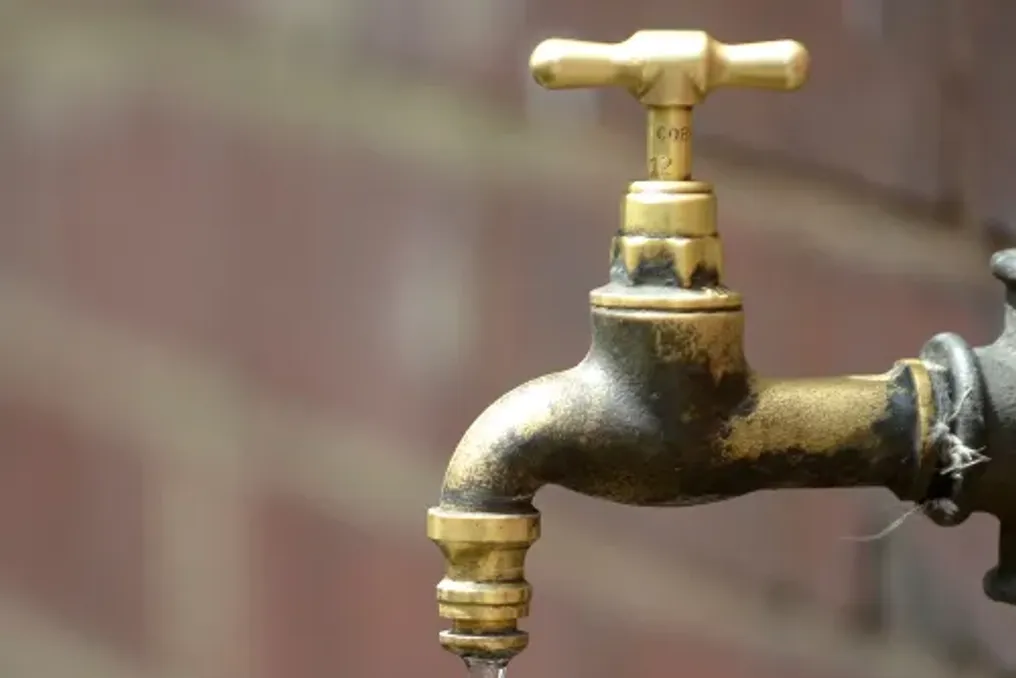
Significant parts of the city of Durban are experiencing prolonged water shortages, forcing residents to rely on water tankers. The most affected areas are the western and southern parts of the city.

City advisor Tabani Ndlovu reported that in the southern districts, such as Umbumbulu, Folweni, Mfumme, eKhahleni, and Umgababa, residents have lived for years without access to water and are heavily dependent on cisterns. He noted that in central areas, water may appear for a day or two before disappearing again. In places like Umlazi and parts of Ntuzuma, water is available, but frequent interruptions can last for several days.

The municipality presented information on steps being taken to resolve the water supply issues. Work on modernizing the R1.2 billion Southern Aqueduct in Chatsworth has been announced. Upon completion, the construction of a 24-kilometer main pipeline will significantly improve and stabilize water supply in the city's southern districts.

Furthermore, the modernization of the Ogunjini Water Treatment Plant will increase water availability for approximately 3,000 households in Ogunjini, including Osindisweni Hospital. Mduduzi Nkosi, head of the trade services department overseeing water supply, confirmed the existence of difficulties but assured that work is underway to resolve the problem.

Nkosi explained that the southern aqueduct required replacement due to its age and potential danger to residents; a leak could damage homes. This single pipeline supplies nearly one million people, and after commissioning, expected by the end of the year, pressure on the supply system will ease.

The scale of the water problems was highlighted by the Department of Cooperation and Traditional Affairs, which announced the dispatch of water tankers to seven municipalities in the province. It was reported that yesterday, Minister of Water and Sanitation Tulasize Butelezi held a meeting with district mayors at the Department of Water and Sanitation offices in Durban. At this strategic meeting, an operational plan was approved to deploy over 20 provincial water tankers to provide immediate assistance to communities suffering from acute water shortages.

The targeted intervention aims to support seven key district municipalities that are currently facing serious service delivery constraints: eMbe District Municipality, uGu District Municipality, Amajuba District Municipality, uThukela District Municipality, Zululand District Municipality, uMzinyathi District Municipality, and uMkhanyakude District Municipality.

Popular