Unitree Robotics, the Chinese manufacturer of humanoid robots, debuted on the Shanghai Stock Exchange this Wednesday, the 19th, marked by a 460% appreciation in its shares. This strong increase on the first day of trading raised the company's market value to approximately US$ 53 billion, equivalent to about R$ 277 billion.
Unitree's entry into the Chinese financial market generated significant interest. Demand for the shares during the Initial Public Offering (IPO) exceeded the quantity of titles made available to retail investors by more than eight thousand times.
Headquartered in Hangzhou, Unitree is cited as one of the few companies in the sector that manages to operate profitably. In 2025, the company reported a net profit of 278 million yuan, corresponding to about R$ 215 million. During the same year, the manufacturer supplied over 5,500 humanoid robots to the market.
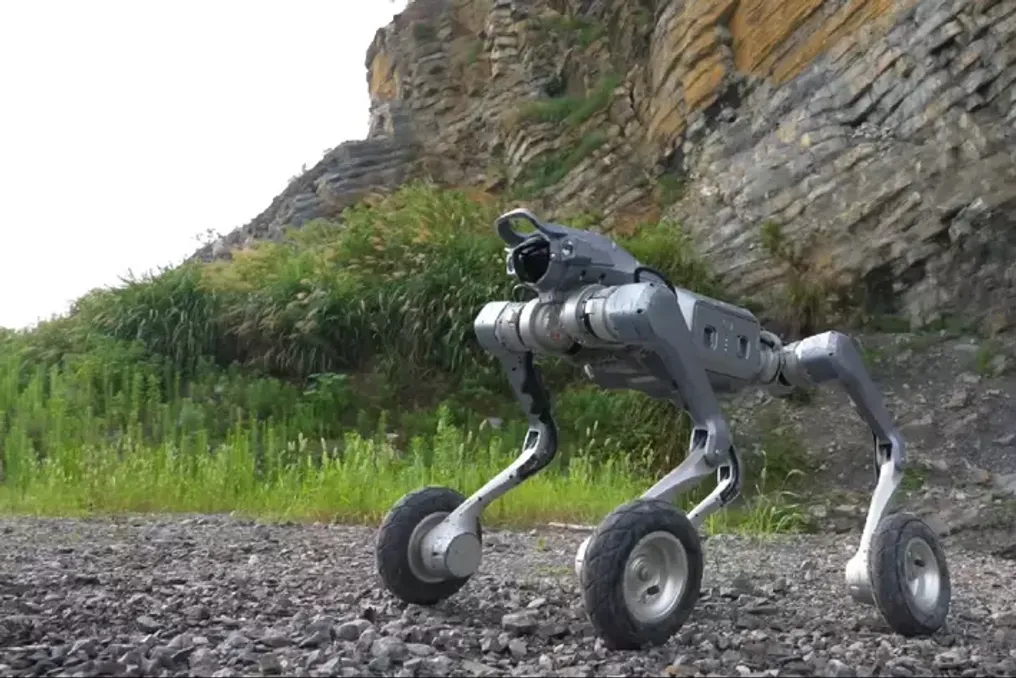
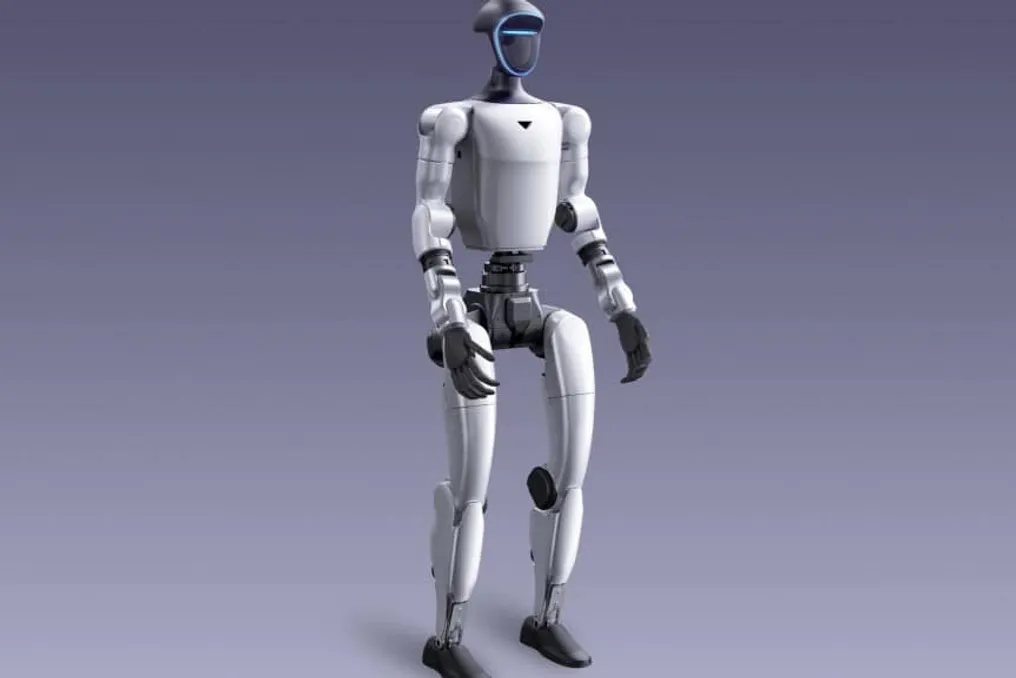
The brand's portfolio is not limited to bipedal models; it also includes robot dogs, automated arms, and industrial sensors, including a robot with a speed exceeding that of Usain Bolt. A crucial factor for Unitree's growth is its ability to offer equipment at more accessible prices than its competitors. For example, the G1 humanoid model is sold for US$ 13.5 thousand (about R$ 70.4 thousand).
In contrast, Western manufacturers charge higher prices for similar technologies. Unitree's robot dogs start at US$ 2.7 thousand (R$ 14 thousand), while the Spot model, produced by the American company Boston Dynamics, costs around US$ 70 thousand (R$ 365 thousand).
Unitree's success is encouraging other Chinese robotics companies to consider stock market listings. Brands such as Lumos Robotics, Deep Robotics, Leju Robotics, and AiMOGA, a subsidiary of the automaker Chery, are reportedly evaluating an initial public offering soon.
Globally, shipments of humanoid robots nearly quadrupled in the first half of 2026, totaling 19,100 units. Chinese companies dominate the world market, concentrating the majority of the industry's production. These companies are seeking to expand the use of robots beyond factory environments, testing applications in logistics, customer service, and traffic management assistance.
The expansion of Chinese technology has also intensified political tensions with the United States. In July, the US government announced plans to ban the import of humanoid robots originating from China, justifying the measure with national security concerns.
At the World Robot Conference held in Beijing, various manufacturers displayed machines designed for daily tasks. Demonstrations ranged from systems capable of organizing packages in logistics centers to equipment intended for public safety and service.
Chery's robotics division, for instance, has already implemented 110 humanoid robots in Chinese cities, according to Reuters. These machines are used to assist in traffic control, preventing human professionals from being exposed to risks such as extreme heat, pollution, and accidents.
Despite tests conducted on public roads, the large-scale use of robots in commerce and industry remains limited. Industry analysts predict that between 50% and 70% of humanoid robots manufactured in 2026 will be used only for data collection in test environments, rather than executing productive work for clients.
In addition to current restrictions, the technology requires time to mature and reduce costs. Industry executives estimate that it will take approximately ten years for humanoid robots to reach the technical maturity necessary for mass adoption globally.