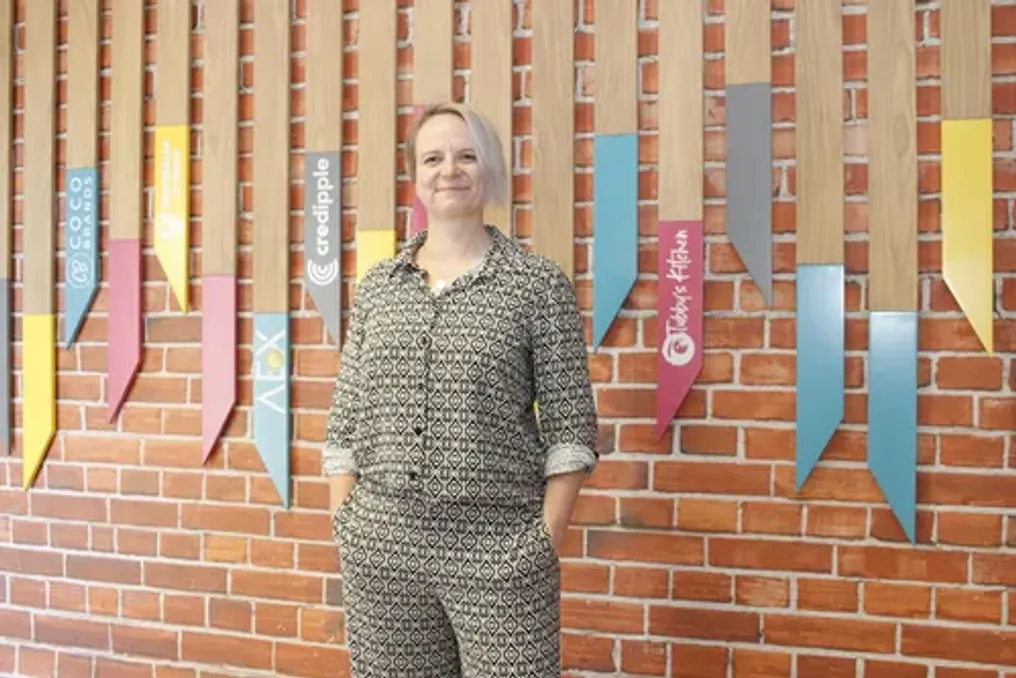
Experts emphasize the critical role of seed investments in supporting young companies, creating jobs, and stimulating economic growth. The South African startup ecosystem shows the emergence of promising enterprises, but these companies require more support to transition from early projects to scalable and investment-attractive structures.
Kerrin Kempion, COO of Aions Ventures, asserts that strengthening the seed investment ecosystem in the country can help foster a stronger pipeline of businesses capable of attracting funding at later stages, generating jobs, and contributing to economic development.
According to Kempion, many startups face difficulties during the development stage after overcoming the initial idea. Despite having a working product, first customers, and some revenue, they often lack the projected growth and operational maturity expected by Series A investors. Kempion notes: 'This is the point where good companies are most vulnerable. The opportunity may be real, but the business around it is still forming.'
According to a survey by the South African Venture Capital and Private Equity Association for 2025, R3.29 billion was invested in startups in 2024 across 222 rounds covering 110 companies. Although the volume of investment indicates sustained interest in innovation, Kempion believes that the relatively small number of companies receiving funding points to the need to strengthen this pipeline much earlier.
She emphasizes: 'Series A investors cannot choose from businesses that were never given a chance to become investment attractive.'
More Than Just Financial Support
For Kempion, seed investments are not just about providing capital to founders. Young companies can face a range of challenges, including product commercialization, establishing stable revenue streams, building proper governance structures, and assembling teams capable of sustaining growth.
She believes that investors and fund managers play an important role in helping founders identify these complexities early on and developing the operational discipline necessary for scaling. The importance of structured support is also evident in the broader African startup ecosystem. According to the Disrupt Africa African Tech Startups Funding Report 2025, 88 out of 178 African tech startups that raised funding in a year participated in an accelerator or incubation program before or during the funding round.
While participation in an accelerator does not guarantee investment, Kempion says it demonstrates the growing significance of practical support alongside capital. She concludes: 'Capital alone does not solve these problems.'
Fostering a Stronger Pipeline
Kempion also points to the role that specialized fund managers and fund-of-funds structures can play in expanding access to early-stage investments. For institutional investors, support for specialized fund managers provides greater access to new ventures that might be difficult to identify or evaluate directly. For founders, this means working with investors who understand the realities of building a young company and the steps needed to be ready for larger funding rounds.
The need to strengthen this ecosystem goes beyond the venture capital industry. The official unemployment rate in South Africa was 32.7% in the first quarter of 2026, according to Statistics South Africa. Youth unemployment remains particularly severe, reaching 60.9% among those aged 15 to 24. While startups cannot solve the country's unemployment crisis alone, Kempion argues that successful enterprises can contribute to job creation, supply chain development, and the commercialization of locally developed solutions.
A broader and more inclusive startup pipeline can also create greater opportunities for women and Black founders to participate in the South African investment ecosystem. However, she believes that inclusivity requires more than just increasing the amount of available capital. It also requires the presence of investors who can recognize potential at an early stage and provide founders with the management, financial, and commercial support necessary to build a sustainable business.
Starting at the Seed Stage
For South Africa to produce more companies capable of attracting Series A funding and scaling into globally competitive enterprises, Kempion believes the focus must shift further upstream. Seed investments are the point where many young enterprises begin to develop the commercial discipline, governance structures, and resilience needed for long-term growth.
Thus, it is not just about injecting more money into startups, but about creating an ecosystem where promising enterprises have a better chance of surviving the difficult transition between early traction and sustainable scale. For Kempion, strengthening this part of the ecosystem can ultimately benefit not only founders and investors. It can help South Africa build a stronger pipeline of businesses, attract further investment, and create opportunities for economic participation while unemployment remains one of the country's biggest challenges.