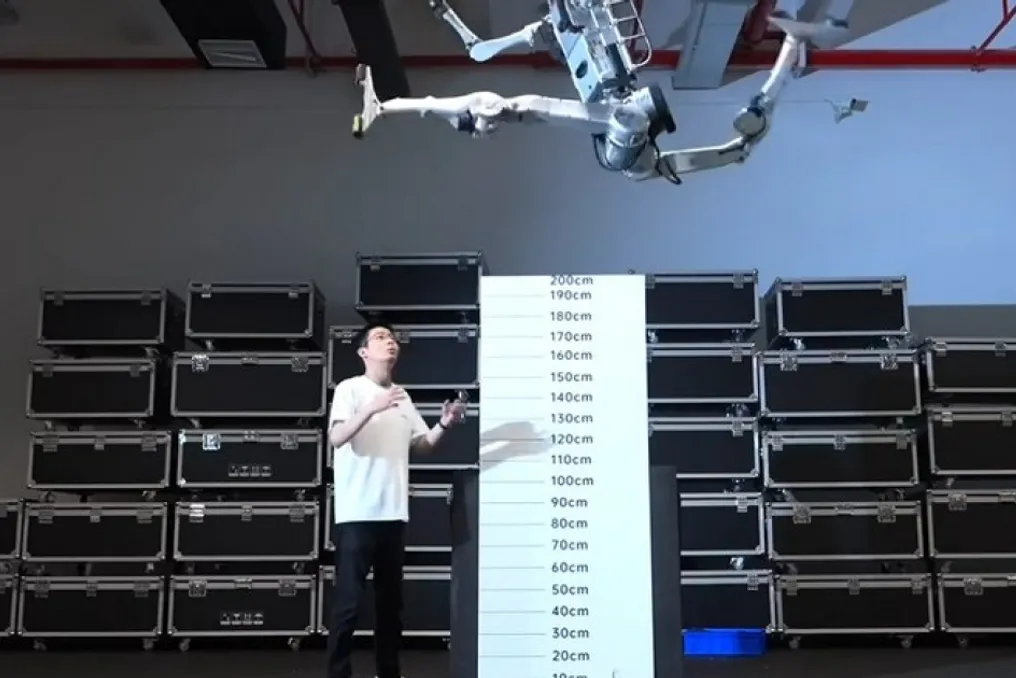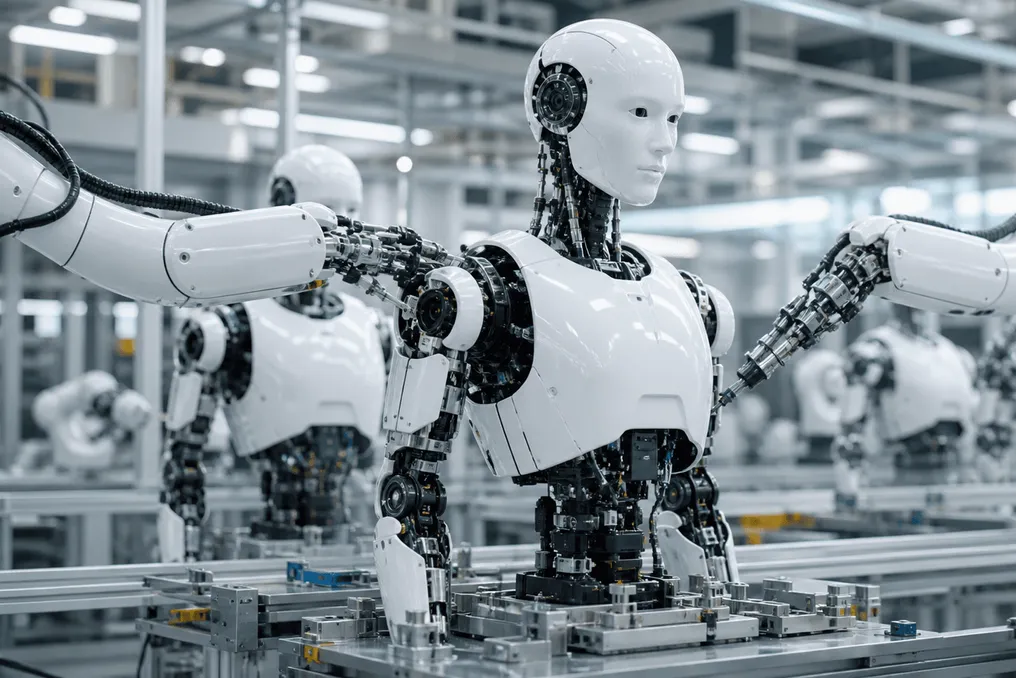
Unitree Robotics, recognized as the world's largest producer of humanoid robots, debuted on the Shanghai Stock Exchange this Wednesday, resulting in a notable appreciation of its shares. On the first day of trading, the Chinese company's shares showed an increase of over 460%.
Initially, the shares were offered at 150.80 yuan (equivalent to about R$ 116) each, but by the end of the trading session, they were traded at 845 yuan (R$ 653). During the initial transactions, this appreciation raised Unitree's market capitalization to approximately US$ 53 billion, reaching a gain of over 600% at a specific point during the day.
The Initial Public Offering (IPO) had been priced earlier this month. With this operation, the company aimed to raise about US$ 900 million, starting from an initial estimated valuation of US$ 9 billion. The debut took place on the Star Market, a segment of the Shanghai Stock Exchange dedicated to technology companies, known as the 'Nasdaq of China'. This capital opening event marks a significant step in Beijing's goals to foster the national robotics industry.
Although Unitree is not the first Chinese manufacturer of humanoid robots to enter the stock market, it is the pioneer in this segment to conduct a stock market debut in mainland China. Founded in 2016, the company, whose official name is Yushu Technology Co Ltd, is headquartered in Hangzhou, located in eastern China. The company has consolidated a relevant position in the robotics sector and supports Beijing's plans for the development of advanced technologies.
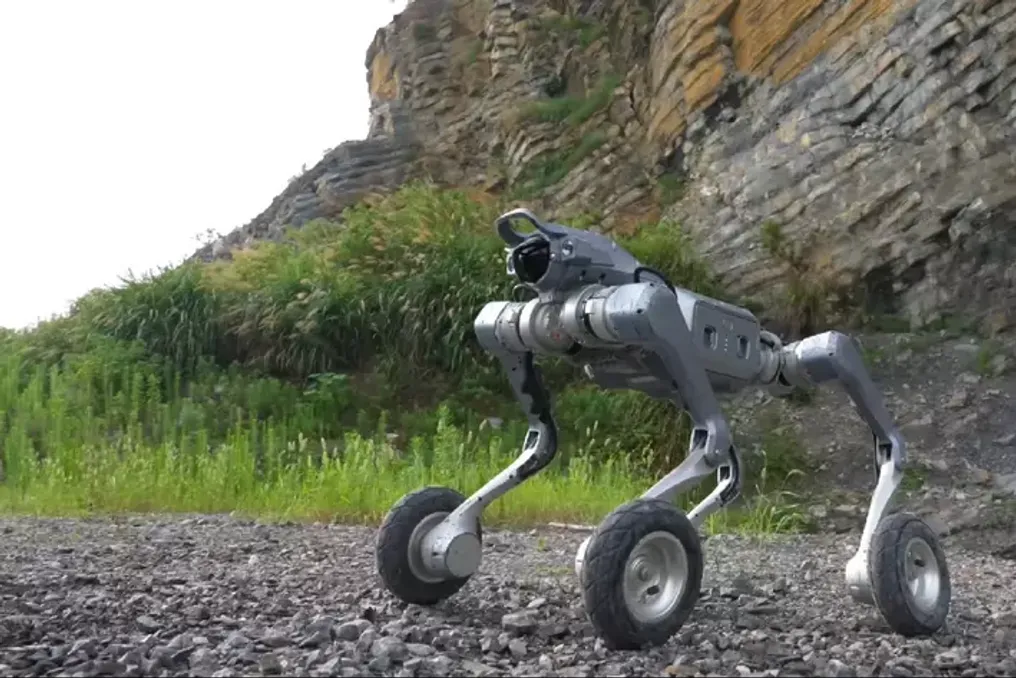
Its product catalog ranges from sensors and automated arms to humanoid robots and robotic dogs. Last year, Unitree supplied more than 5,500 humanoid robots to the market, driven by the increased demand for this technology. Furthermore, Unitree is among the few players in the sector that manage to generate profits, having recorded a net profit of 278 million yuan (R$ 215 million) in 2025.
A factor that puts the Chinese manufacturer in direct competition with developers from the United States lies in pricing. The company manufactures robots with specifications similar to those of its American rivals but can offer them at lower costs. Hangzhou, where Unitree is headquartered, is a hub of robotics companies that have benefited from substantial government investments. This support helped more than triple the number of Chinese companies in this sector between 2020 and 2024, according to the local press outlet China Daily.
Currently, automated industrial equipment and smart vacuum cleaners are common in factories, warehouses, and homes. However, it is humanoid robots that are attracting a large volume of investment. Giants such as Tesla, BYD, and Amazon are working on developing bipedal machines capable of performing typically human tasks.
Unitree began commercializing humanoids in 2023, and in the following year, launched the G1 model, sold for US$ 13.5 thousand (R$ 70.4 thousand). Meanwhile, major American competitors, including Elon Musk's Tesla, have not yet started delivering their products.
Robotics and artificial intelligence have become another point of friction between China and the United States. Both countries consider these areas of strategic importance and seek dominance in both the global robot market and the market for AI models used to operate them. According to Harold Soh, a researcher at the National University of Singapore, American manufacturers tend to offer more intuitive software. Conversely, the lower prices of Chinese manufacturers are a difficult aspect to ignore.
Unitree's robotic dogs start at prices of US$ 2.7 thousand (R$ 14 thousand), while the Spot, a quadruped device from Boston Dynamics, costs approximately US$ 70 thousand (R$ 365 thousand). Soh emphasizes that the products are not directly comparable, given that some of Unitree's robotic dogs are significantly smaller. Nevertheless, the researcher points out that the price disparity is considerable.
This dispute has also reached the political sphere. In July, the administration of U.S. President Donald Trump declared that it would block the entry of new humanoid and quadruped robots manufactured in China, citing concerns over national security and the defense of American industry. Beijing refuted this claim, accusing Washington of 'politicizing' commercial matters. The United States has also imposed severe restrictions on other Chinese technologies, such as artificial intelligence models and electric vehicles.
Unitree belongs to a small group of humanoid robot manufacturers whose shares are publicly traded. Its main competitor, AgiBot, operates as a private company. Its smaller rival, UBTech, has shares listed in Hong Kong. However, this landscape may change, as six other Chinese robotics companies are preparing to go public, including Deep Robotics and Leju Robotics.