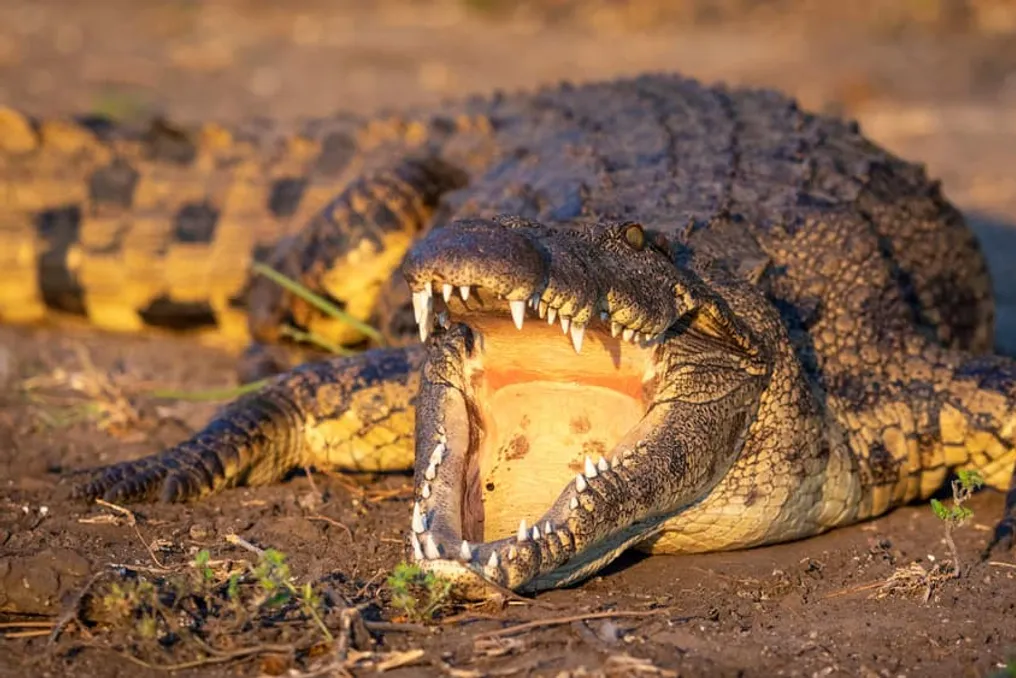
More than ten million years ago, South America presented a very different scenario. During the Miocene period, a vast expanse of the continent was covered by a large lake, which housed a rich fauna, including giant turtles and various species of crocodylians. Furthermore, other predators such as anacondas, mammals, and large terrestrial birds circulated on the shores of this lake, according to reports from the Eurekalert portal.
A new investigation points out that, even with the presence of several types of predators, crocodylians constituted the most prominent group among the hunters in that ecosystem. Although the abundance of prey sustained the existence of multiple predators, crocodylians were notably distinguished by their ability to capture large animals.
The riverside areas of the ancient lake were populated by various herbivores, among which were giant sloths, glyptodonts, relatives of armadillos, and other species. Many of these animals exceeded a ton in weight, providing substantial prey for the region's predators.
The largest predator in this environment was Purussaurus neivensis, a crocodylian closely related to modern crocodiles. This giant could reach seven meters in length and weigh approximately 1,800 kilograms, occupying the apex of the food web and possibly influencing the local herbivore population.
To understand which predators governed these ecosystems, scientists examined fossils preserved in museum collections. The main indicators used were bite marks and teeth found on the skeletons of herbivores, serving as one of the few direct proofs of past interactions between predators and their victims.
The analyzed fossils date from 10.5 to 16 million years ago. The frequency of marks attributed to Purussaurus demonstrates the crucial role this crocodylian played in tropical ecosystems. The amount of records suggests that it was not just an occasional predator, but one of the main responsible parties for hunting large herbivores.
Food availability also contributed to maintaining the great diversity of predators. According to researchers, there were so many animals available that carnivorous mammals alone would not be able to consume all this supply. In this context, crocodylians stood out particularly for their aptitude in exploiting the largest prey.
Conclusion on ancient fauna
The existence of a predator like Purussaurus neivensis illustrates how the food chain of South America during the Miocene was characterized by beings of monumental proportions. Through the analysis of marks left on the fossils, researchers managed to reconstruct part of these ecological relationships and determine the function that giant crocodylians played in these ancient habitats.