Cadet Colonel Karnal Kaushal Kashyap, who has experience serving in Para SF and NSG, shared many little-known aspects of his military career in an interview with 'The Lallantop'. He detailed his preparation in NSG and Para SF, counter-terrorism operations, work in the forests of Manipur, and survival training in difficult conditions.
As soon as the internship at Para SF began, the physical endurance of the fighters was tested. They were assigned running marches of 20, then 30, and after 40 kilometers. The distance increased monthly. Furthermore, they had to cover the set distance within the allotted time while carrying a total load of 22-23 kilograms, including weapons and equipment weighing about 18.5 kg.
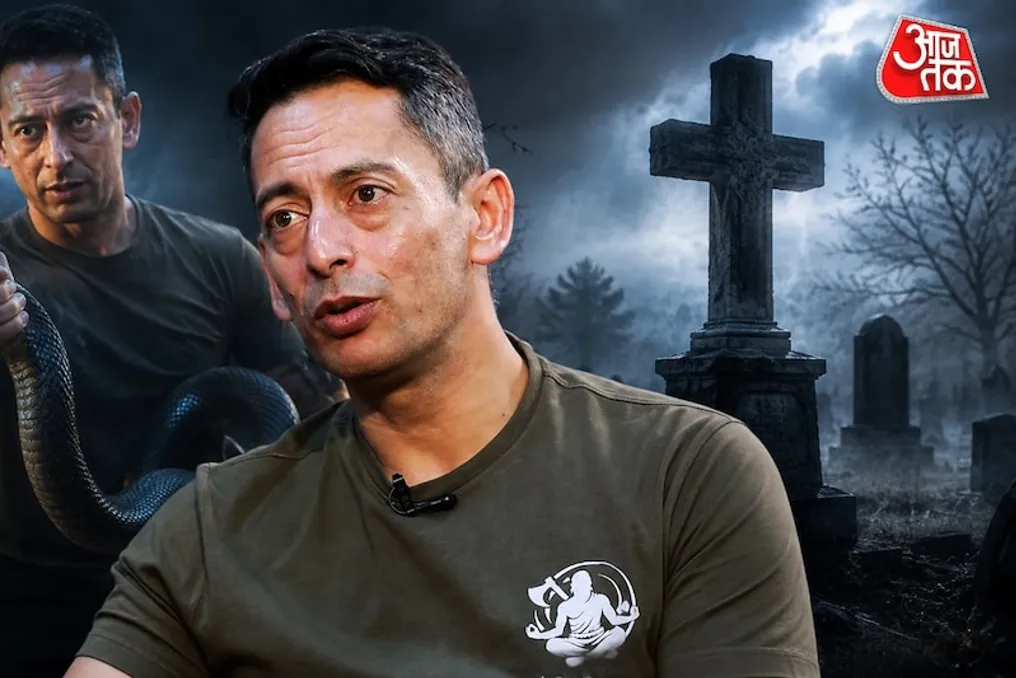
Physical training started early in the morning and included daily running, climbing ropes, and various exercises. In addition to testing physical strength, the Para SF internship also tested the mind. Colonel Kashyap recalled being tasked with collecting information about all the graves in a cemetery or performing tasks to catch snakes.
There were also assignments that Colonel Kashyap refused to show on camera, noting that he could not disclose such tasks publicly. The goal of these missions was to prepare soldiers for situations where they must remain calm and clear-headed despite fear or stress.
After daytime physical training, studies and research work began in the evening. Officers were assigned to conduct research on various topics and prepare reports. Additionally, they had to prepare for lessons on hacking, navigation, and combat tactics. Because of this, they often had to stay awake until two-thirty in the morning and then wake up early, leaving very little time for sleep.
During training, an exercise was conducted where soldiers were left alone in the forest for two days. The task was to find food and survive in the wilderness independently. According to Colonel Kashyap, this exercise took place in the forests of Nagaland. Local residents living in the forest pre-identified edible plants, which made finding food for the soldiers very difficult, and they had to settle for what they found.
On the third day, the training group went into the forest with dogs. The dogs were tied to the soldiers, sniffing their shirts, and the fighters had to get out of this zone while avoiding the dogs. The training also simulated the 'Prisoner of War' situation. The soldier was not allowed to sleep, was kept handcuffed, and various forms of punishment were applied. This was done so that in the event of a real operation, the soldier could withstand psychological and physical pressure.
During the forest survival training, an incident occurred that Colonel Kashyap remembers to this day: one snake became his companion.