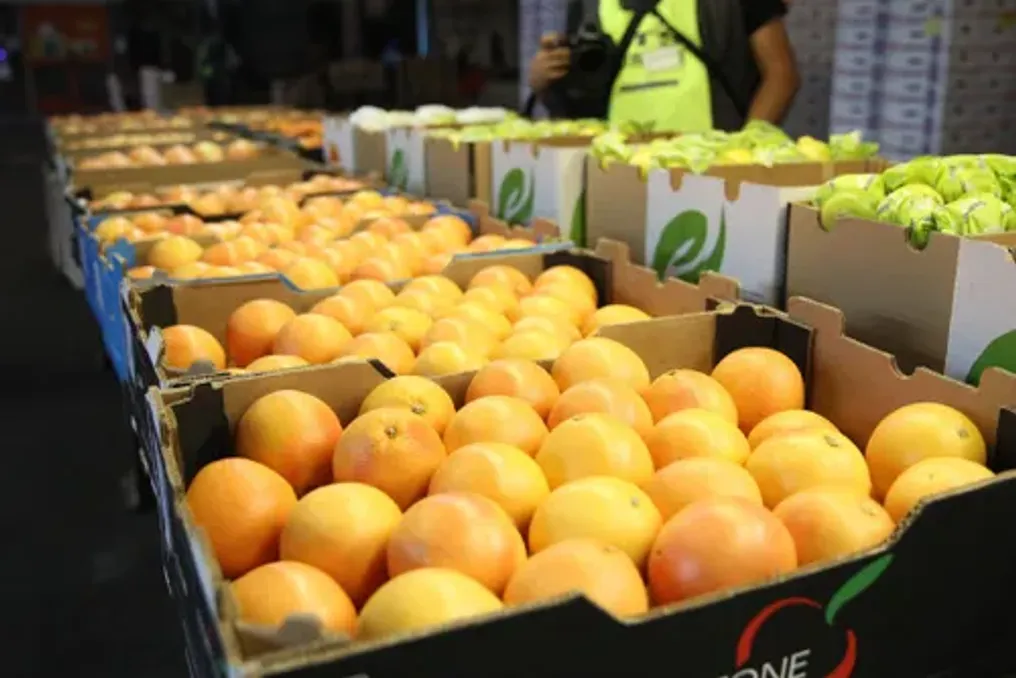
South African citrus exporters have received support in the Indian market after India approved new cold treatment options for fresh citrus fruits.
This decision, which is the result of nearly ten years of negotiations, will provide exporters with greater flexibility and potentially help improve the quality of fruit entering the Indian market.
Agriculture Minister Willie Aukamp welcomed the development, noting that it is positive news for the industry and demonstrates how technology helps farmers overcome obstacles and expand access to international markets. He emphasized that this achievement will allow South African farmers to expand their horizons and give other countries the opportunity to benefit from the country's high-quality agricultural produce.
He stated: 'This is not only good news but also shows how advanced technologies enable our farmers to overcome barriers so that other countries can enjoy our high-quality products.'
India is one of the world's largest and fastest-growing economies, with a population of about 1.47 billion, making it a potentially important market for South African citrus.
Tariffs Put Exporters at a Disadvantage
Boitsoko Ntshabele, CEO of the Citrus Growers Association of South Africa (CGA), noted that the focus must now shift to improving commercial conditions for exporting citrus from South Africa to India.
He pointed out that tariffs of approximately 25%–30% continue to put South African citrus at a disadvantage compared to competitors from the Southern Hemisphere, who have preferential trade agreements with India.
Ntshabele specifically thanked the Department of Agriculture and the International Citrus Research Centre for their continuous technical engagement with Indian authorities, which made the implementation of new treatment options possible. He stressed the importance of sustainable public-private partnerships for improving technical market access conditions.
Furthermore, he expressed hope for collaboration with the Department of Trade, Industry and Competition in addressing the critical task of removing these tariff barriers and enhancing the competitiveness of South African citrus in the Indian market in the future.