
Nampo Cape 2026 Visit Planning: Agricultural Discussion Schedule
Read more
Food For Mzansi
foodformzansi.co.za

Nampo Cape 2026 Visit Planning: Agricultural Discussion Schedule

Start planning your participation in the Nampo Cape 2026 event and register to join the popular lunch discussions hosted by Food For Mzansi and Land Bank. These discussions gain popularity every year, gathering leading experts, decision-makers, and industry representatives from various parts of the country.

This year, the event will feature a new central hall in Bredasdorp Park. Daily from 13:00 to 14:00, discussions will take place in the new Food For Mzansi hall, located inside the Santam Auditorium. Topics covered will address crucial issues shaping South African agriculture, including agricultural financing, market opportunities, climate risks, insurance, and enhancing farm enterprise sustainability.

Wednesday, September 9, 2026: Finance Meets Farming

Nampo Cape will kick off by examining the role of agricultural finance in supporting sector growth. The current Chief Executive Officer of Land Bank, Jabu Mfanbo, will be joined by agricultural leaders such as Dr. Mogale Sebopetsa (Head of the Western Cape Department of Agriculture), Johann Kotze (CEO of AgriSA), and Dr. Keith Du Plessis (CEO of Casidra). The discussion will focus on how access to finance can help support farmers, create jobs, and strengthen value chains in South African agriculture.

Spontaneous attendance is welcome for visitors, but pre-registration is recommended to secure a spot.

Thursday, September 10, 2026: Western Cape Development

The future of the grain and wine industries in the Western Cape will be discussed. Matiana Mzi (Land Bank's Chief Agricultural Economist), Regional Head of Commercial Banking and Transformation in the Cape region, and Yanni Stridom (CEO of Agri Western Cape) will present an overview of the region's key commodities, including wheat, barley, rapeseed, oats, and grapes. They will also discuss how financial instruments and market opportunities can help farmers develop more sustainable businesses.

As on previous days, visitors can attend without prior registration, but early registration is strongly advised.

Friday, September 11, 2026: Protecting Assets

Andrees Malase, Operations Manager at Land Bank Insurance, and climate experts will conduct a practical discussion on how insurance, financial products, data, and better risk management can help farmers cope with climate threats, recover from shocks, and build more resilient enterprises.

Whether you are a commercial or next-generation farmer, a starting farmer, an agribusiness specialist, or simply interested in the future of South African agriculture, you are invited to join the discussion. All sessions run daily from 13:00 to 14:00 in the Food For Mzansi hall inside the Santam Auditorium.
Similar stories

A method for roasting spices at home that improves the taste of dishes to a restaurant level
Read more
www.aajtak.in

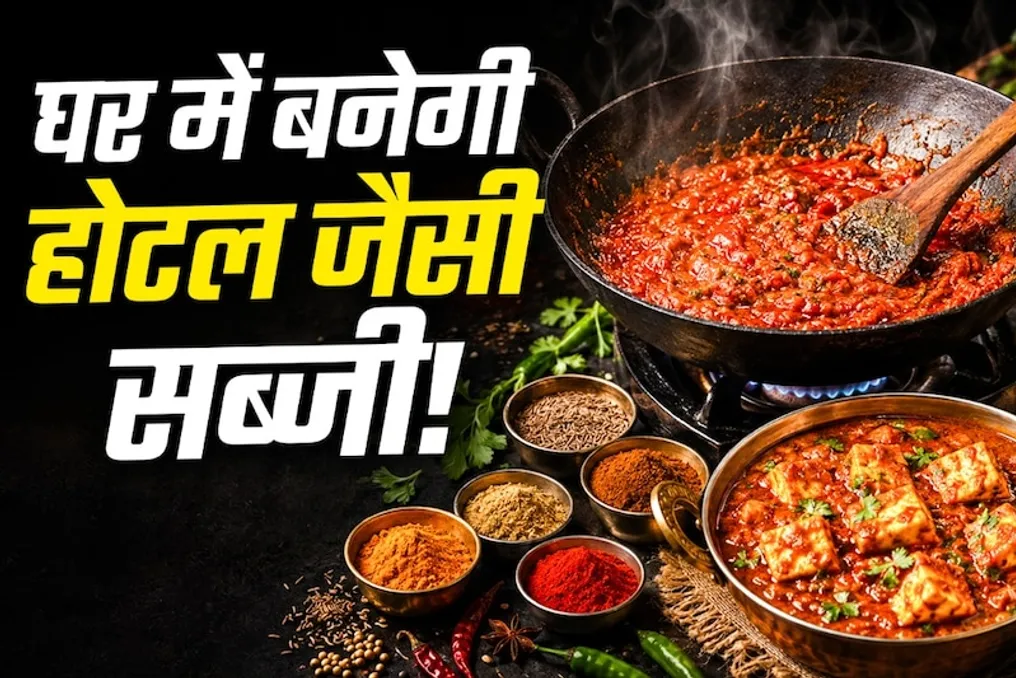
A method for roasting spices at home that improves the taste of dishes to a restaurant level

When someone starts cooking at home, they often picture the appetizing taste of restaurant dishes in their mind. The goal is for homemade food to taste as good as it does in a restaurant. Sometimes, when trying to enhance the flavor, people add too many spices, but even then, the expected restaurant taste is not achieved. Moreover, even simple food from a restaurant or cafe seems so aromatic and delicious that one wants another serving. Why is this happening?

In reality, the taste of a dish depends not only on the amount of turmeric, chili, or coriander powder you added. The timing of adding spices, the cooking temperature, and the duration of roasting them also play a huge role in the final taste. If the spices are roasted correctly, the taste of the dish can improve significantly even with fewer spices. Next, we will tell you about the correct method of roasting spices for vegetable dishes and share tips that will make homemade food as tasty as in a restaurant.

You should not rush to add oil immediately after putting the pot on the stove to cook vegetables. You need to let the pot heat up for about 1-2 minutes. After that, pour in the oil and let it heat up well. If the oil is not heated properly, the taste of the spices will be spoiled, and the dish may have a smell of raw oil.

When the oil gets hot, add cumin seeds to it. Stir constantly until they start crackling. As soon as a pleasant aroma starts coming from the cumin seeds, you can consider the base ready. It is important to ensure that the cumin does not burn, otherwise, the entire taste of the dish can become bitter.

Next is the stage with onions. Add finely chopped onion and cook, stirring constantly. When the moisture from the onion starts evaporating, add a little water and continue frying. Repeating this process two or three times helps the onion soften completely and release its flavor. The next step should only be performed after the onion has taken on a light golden color.

If you are cooking a dish without onions, you do not have to sacrifice flavor. After roasting the cumin base, you can immediately add tomatoes. Adding a small amount of salt to the tomatoes helps them soften faster. When the tomatoes are completely cooked down and turn into a paste, you can add the spices. If you are using tomato puree, it also needs to be simmered slightly.

Only after the tomatoes and onions (if used) are well cooked should you add turmeric, coriander powder, red pepper, and salt. This is the most critical stage of roasting spices. Always remember: you cannot just throw dry spices into an empty and dry pot, as they can burn, giving the dish a burnt or bitter taste. When adding spices, it is recommended to add a little water and mix them with the onions and tomatoes.

After adding the spices, instead of increasing the heat, switch to low heat. Periodically add a little water and continue stirring the spices. On low heat, the spices cook gradually, and their aromas are fully released. This small detail can make even the simplest vegetable dish more aromatic.

Now the question is how to determine if the spices are roasted properly. Determining the readiness of the spices is quite simple: when the excess liquid in the mixture evaporates and a light layer of oil begins to appear on the edges of the pot, it means the spices are ready. This is the stage when you can add potatoes, peas, or any other favorite vegetables for boiling.

It is important to remember that for the next vegetable preparation, focus not on increasing the amount of spices, but on the correct time and temperature of their cooking. Well-roasted spices can make a dish aromatic and tasty even in small quantities. Thus, the secret to restaurant taste lies not in a large amount of spices, but in the correct way of preparing them.

South African Chefs Share Recipes for Hearty Winter Cabbage Dishes
Read more
foodformzansi.co.za

South African Chefs Share Recipes for Hearty Winter Cabbage Dishes

Amidst the harsh winter in Mzansi and rising meat prices, home cooks are seeking affordable and nutritious alternatives. The answer lies in local fields and gardens, as cabbage has long been a staple of South Africa's agricultural communities. This vegetable tolerates frost well, is readily available, and provides significant nutritional value at a much lower cost compared to commercial meat. Three local culinary approaches demonstrate how they prepare this winter crop.

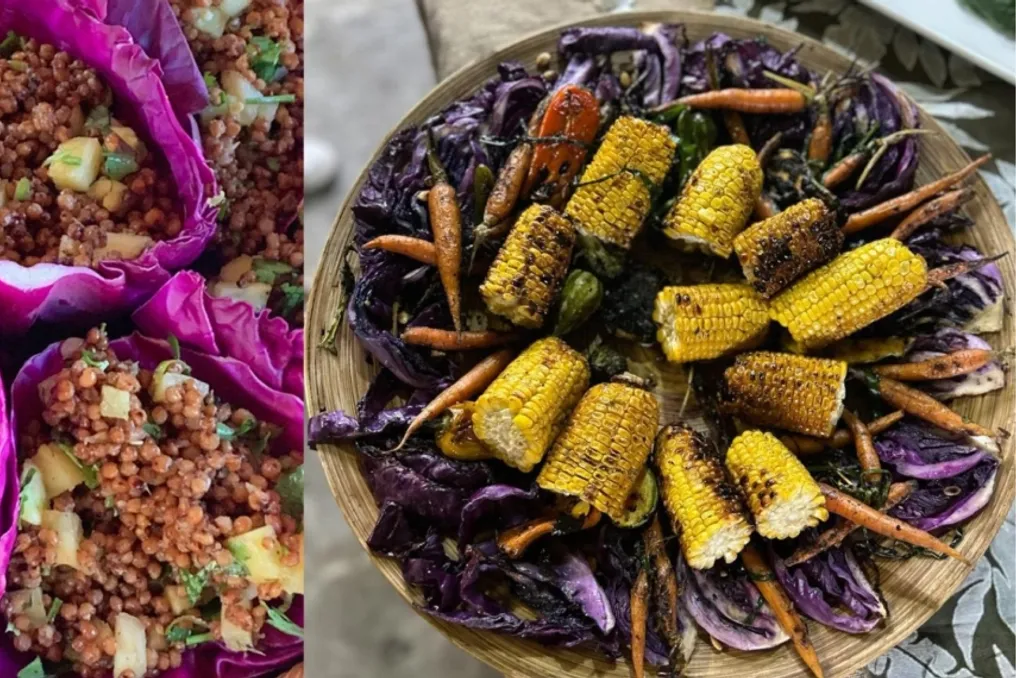
Chef Nonkhlanhla Moroenyane, a cookbook author, nutrition activist, and founder of Noni’s Home Dish based in Kensington, Johannesburg, prefers cooking cabbage over an open fire. She states: 'I am a girl who smokes purple cabbage imphepo on the grill.' Moroenyane advises cooks to always keep traditional imphepo (African sage) nearby during the red cabbage season, as well as having a braai, firewood, and charcoal ready.

Her method lends the vegetable a cultural and aromatic touch. Moroenyane creates a dry marinade by mixing Cajun spices, garlic powder, and barbecue seasoning in a bowl with flavored coconut oil. After cutting a whole purple or green cabbage into large pieces, she thoroughly coats each piece with this mixture. She recommends 'slow roasting, not flaming, for about five minutes. Smoke it along with it.' The goal of this process is to achieve a deep, charred flavor while maintaining a crisp texture inside. Moroenyane suggests serving these smoky pieces alongside other grilled vegetables or pairing them with a warm curry dip.

In Cape Flats, Chef Marshall Buysen, founder of Marshall’s Kitchen in Manenberg, holds a deep respect for cabbage inherited from his grandmother's cooking. He explains that 'cabbage stew was a comforting dish loved by farming families in the Western Cape countryside for a long time.' In cold months, the main crops gathered in family gardens and local farms were fresh cabbage, potatoes, onions, and carrots, as they were inexpensive, nutritious, and easily accessible. Farmers traditionally cooked this hearty stew in one cast iron pot over an open fire or wood stove. Cooking everything together saved time and fuel, allowing earthy aromas to slowly develop while families worked in the fields. Although meat such as beef, lamb, or chicken was added when available, Buysen notes that scarcity never stopped the preparation of this dish. 'On days when meat was scarce or too expensive, beans or lentils were used instead, creating a complete vegetarian dish that did not lose the comforting taste of the stew.'

Working out of Parktown in Johannesburg, Chef Mbasa Brook tackles current financial difficulties with the motto: 'No meat, no problem.' Mbasa shares his step-by-step recipe for a thick, comforting winter cabbage stew that will warm your body and soul this winter. The recipe includes cabbage, carrots, onions, peppers, garlic, tomatoes, as well as various spices, including paprika and curry powder. His golden rule is: 'Do not stir the pot too much.' This can cause the vegetables to break down, resulting in a puree instead of a stew. Whether the cabbage is smoked over slow coals in Gauteng or simmered over an open fire in a rural community in the Western Cape, cabbage remains a reliable and budget-friendly option for the winter season and subsequent periods.

How to make the perfect 'Kota': South Africa's popular street fast food at home
Read more
iol.co.za

How to make the perfect 'Kota': South Africa's popular street fast food at home

Making delicious Kota at home is possible with this simple recipe. This humble South African street fast food has gained immense popularity, becoming an iconic dish in townships, where every vendor adds their unique touch.

While the classic version remains a favorite for many, modern variations can include diverse fillings such as steak, bacon, grilled chicken, Russian sausages, or fried eggs. Making Kota yourself is not only more economical than buying it from a snack bar but also allows you to fully customize the filling to your preferences.

Ingredients

To prepare, you will need one quarter piece of white bread without crusts, two large potatoes cut into chips, two tablespoons of vegetable oil (or frying oil), one teaspoon of paprika, half a teaspoon of garlic powder, salt to taste, four slices of polony, one Russian sausage, cooked and sliced lengthwise, two eggs, four slices of cheddar cheese, four tablespoons of atchar, four tablespoons of chakalaka, two tablespoons of tomato sauce, and two tablespoons of mayonnaise. Oil for brushing is also optional.

Preparation Method

First, peel the potatoes and cut them into thick chips. Then, fry the chips in deep fat or in an air fryer until golden and crispy. Immediately after cooking, season them with salt, paprika, and garlic powder.

Fry the polony until lightly browned on both sides. The Russian sausage is cooked according to the package instructions, then sliced lengthwise. The eggs are fried until the whites are set, while the yolks can remain slightly runny if preferred.

Carefully remove the soft inner part from each quarter piece of bread, leaving the thick crust to hold the filling. If desired, brush the inside with oil. Place a generous portion of atchar and chakalaka into each piece.

Next, layer the chips, followed by the polony, Russian sausage, and fried egg. Add the slices of cheese while the filling is still hot so that the cheese begins to melt. Finish the dish with tomato sauce and mayonnaise before immediate serving.

Popular