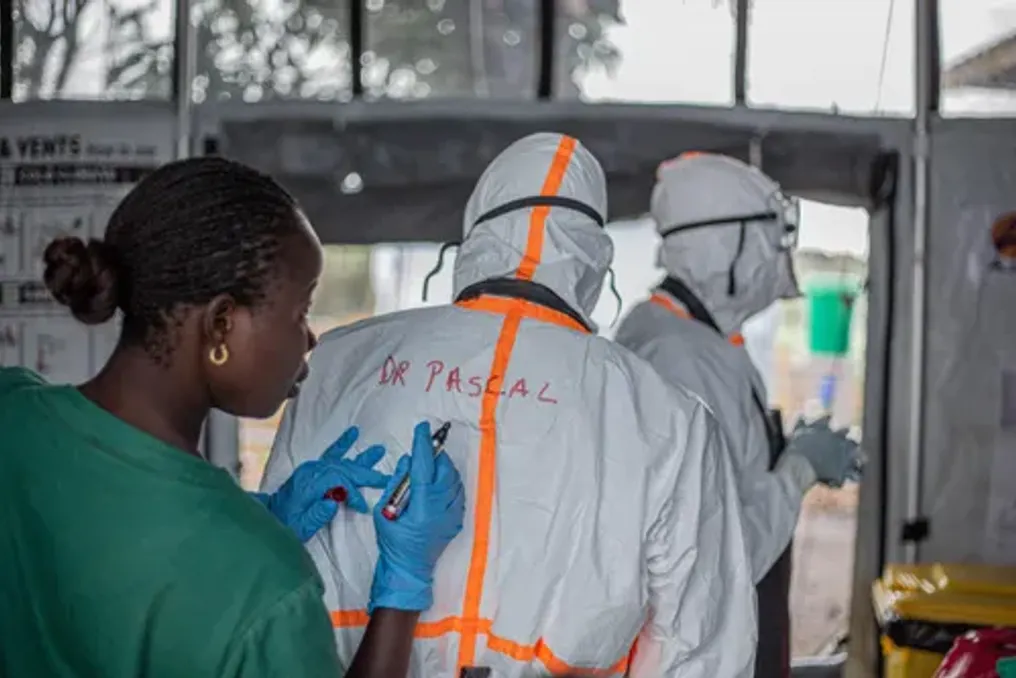
According to government data, the rapidly spreading Ebola virus outbreak in the Democratic Republic of Congo (DRC) has become the deadliest in the country's history, claiming over 2,300 lives in three months.
The UN reports that this outbreak is 'the fastest growing in history' and is causing deaths every 30 minutes in the DRC. Currently, there is no specific vaccine or treatment for the Bundibugyo strain, which causes hemorrhagic fever and is transmitted through contact with bodily fluids.
This 17th Ebola outbreak in the DRC, declared on May 15, was presumably spreading for several weeks by the time of the declaration. It has affected northern and eastern regions where state presence is weak, medical infrastructure is insufficient, and numerous armed groups have operated for decades, creating complex conditions.
Previously, the 2018–2020 outbreak, considered the deadliest, resulted in the death of 2,299 people out of 3,381 confirmed cases, according to WHO based on Congolese data. However, in the latest count made on Monday, DRC authorities reported that 2,325 people have died in the current outbreak out of 4,945 confirmed cases.
The deadliest Ebola outbreak in West Africa occurred from 2013–2016, when it claimed more than 11,300 lives, primarily in Liberia, Sierra Leone, and Guinea. Last week, the WHO expressed hope that it would be able to stop the spread of the disease in the DRC within three months.
The latest outbreak began in the conflict-affected northeastern province of Ituri and has since spread to five other provinces of this vast Central African country with a population of over 100 million. In Bunia, the capital of Ituri province, where most cases are registered, disease control measures remain inconspicuous.
An AFP correspondent observed traders demanding that they set up handwashing stations in front of their shops at the town hall, but shoppers continued to visit the markets, ignoring the protective measures.
Mohamed Janabi, WHO Regional Director for Africa, noted that 'community involvement in the response is still too weak.' He added that over 70 percent of people die in communities rather than in medical centers because people prefer to seek treatment at home, believing it is poisoning or another illness.
Jean-Paul Malo Locima, a civil society representative in the Djugu area of Ituri, explained that patients often arrive at the hospital at the last moment when the family realizes the deterioration of their condition, and sometimes they die on the way.
Flavier Ngurima from Nizi, one of the outbreak hotspots in Ituri, said that his brother died before arriving at the treatment center because they asked a family nurse to treat him at home due to fear of the center, where, they say, many people die.
Access to affected communities is also difficult due to the activity of armed groups in some affected regions, according to humanitarian organizations. North Kivu and South Kivu are separated by a front line between the DRC army and the M23 anti-government group supported by Rwanda, which has captured vast territories.
Despite the efforts of international organizations, the response is criticized for its slowness and lack of organization. Local staff, including nurses and those responsible for safe burials, have been on strike or demonstrating in several Ituri hospitals in recent weeks, demanding bonus payments. The International Council of Nurses called on the DRC authorities on Friday to ensure proper payment and protection for healthcare workers fighting the outbreak. Several vaccines against the current Ebola strain are currently being tested.