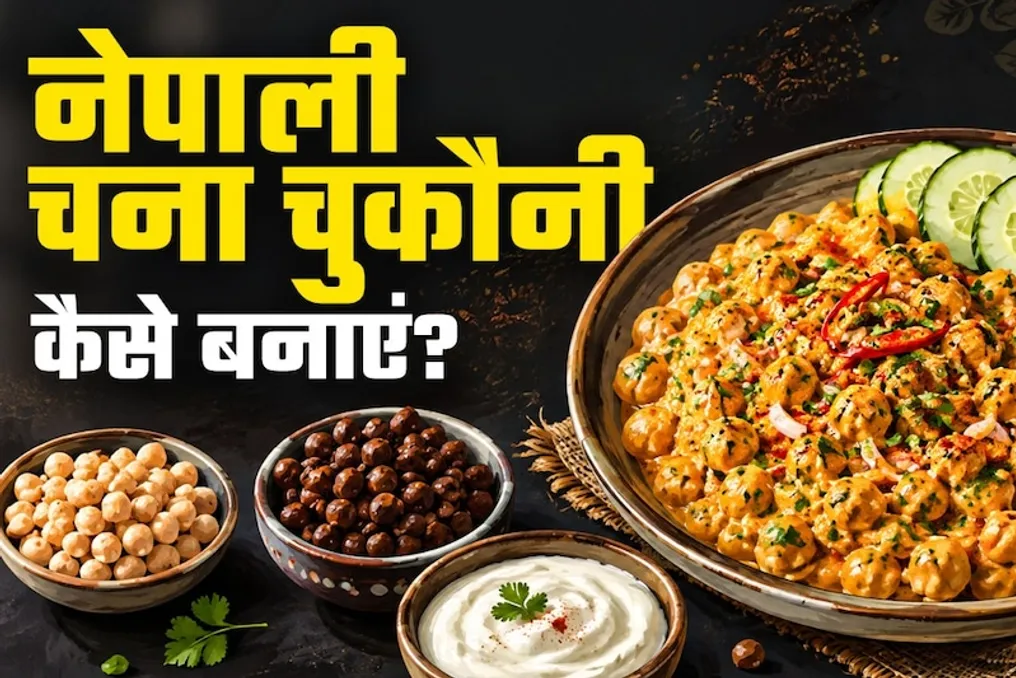
Dahi Chana Chukuni Recipe: Preparing a Legume Dish with Yogurt for Hot Weather
Read more
Aaj Tak
www.aajtak.in

Dahi Chana Chukuni Recipe: Preparing a Legume Dish with Yogurt for Hot Weather

Although Dahi Chana Chukuni from Nepal is widely discussed, we present a healthier and higher-protein version of this dish. If you are looking for tasty and healthy food, you will like this recipe. Its specialty is that it provides protein while having a very pleasant taste.

Preparing Chana Chukuni does not require many additional spices, and it can be quickly made for breakfast. In terms of a healthy and delicious dish, it has no equivalent. The most important ingredient for Chana Chukuni is yogurt, which makes this dish ideal for lunch in hot weather because it cooks quite quickly.

Ingredients for Chana Chukuni:

Simple Preparation Method for Chana Chukuni

Sautéing Spices: First, heat a tablespoon of oil in a pan. Add the ginger and garlic paste and sauté lightly. Then, sprinkle turmeric, Kashmiri red chili, and coriander powder. Sauté all these spices over low heat for a few seconds.

Adding Beans to Spices: After sautéing the spices, add boiled black and white beans to them. Add salt to taste and cook for 2-3 minutes. Turn off the heat and let the beans cool slightly.

Mixing Spices with Yogurt: In a large bowl, whisk the yogurt thoroughly. Add the cooked beans, chopped onion, green pepper, green cilantro, and chopped garlic, then mix. To prepare the tadka for chukuni, heat mustard oil in a small pan.

Preparing Tadka: Over medium heat, add turmeric, Kashmiri red chili, and dried fenugreek. Pour the prepared tadka over the mixture of beans and yogurt and mix well. Finally, garnish with fresh green cilantro.

Serving with Bread and Rice

Dahi Chana Chukuni is served with roti, paratha, or rice; the tanginess of the yogurt and the spicy tadka double the flavor of this substance. It is enjoyed by both children and adults, and after the first time, they will ask for it to be made again.

If you do not have vegetables for breakfast, soak the beans in the evening and boil them in the morning. After that, this delicious dish will be ready in just 10-15 minutes.

Similar stories

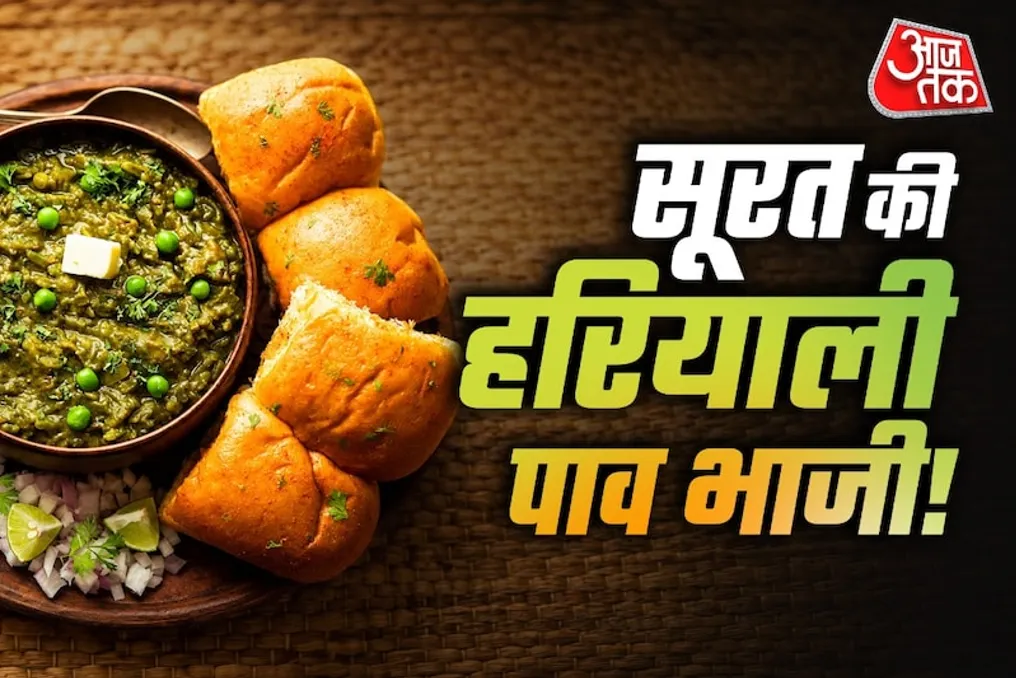
Heriali Pav Bhaji Recipe from Surat: A Green Version of Popular Street Food
Read more
www.aajtak.in

Heriali Pav Bhaji Recipe from Surat: A Green Version of Popular Street Food

The cities of Delhi and Mumbai are known for their street food, and people in both places greatly enjoy eating Pav Bhaji. However, besides Mumbai and Delhi, the city of Surat in Gujarat also serves Pav Bhaji, which differs from the usual version and has a green color.

If you are tired of Mumbai's Pav Bhaji, you should try the famous Heriali Pav Bhaji from Surat. This dish is made from fresh greens such as spinach, coriander, and mint, and it looks not only delicious but also very striking. Various vegetables, oil, and spices for Pav Bhaji are also included, making its taste even more exceptional. In Surat, it is also called Green Ghotala Pav Bhaji.

Thanks to the large amount of green vegetables, this dish is not unhealthy compared to other types of fast food. Moreover, it can be prepared at home using little oil and maintaining cleanliness. It can be offered to children for breakfast because they are attracted by its bright color.

How to make Heriali Pav Bhaji?

Certain ingredients are required to prepare Heriali Pav Bhaji. After cooking, it is recommended to serve hot Heriali Pav Bhaji with fried buns (pav) smeared with butter. To enhance the flavor, you can sprinkle grated cheese and a little red chili. This green and spicy dish is perfect for an evening snack, a party, or a special weekend dinner.

There is a simple trick to prevent the oil from burning when preparing Heriali Pav Bhaji: be sure to mix the butter with a small amount of vegetable oil. Adding oil helps prevent the quick burning of butter and preserves the rich buttery taste in the bhaji itself.

Tamalapaku Pakoda Recipe: Crispy Mangosteen Leaf Snacks in Andhra Pradesh Style
Read more
www.aajtak.in

Tamalapaku Pakoda Recipe: Crispy Mangosteen Leaf Snacks in Andhra Pradesh Style

Do you want to try something new and crispy during the monsoon season with hot tea? Then prepare the famous Tamalapaku Pakodas from South India. These snacks are made with a perfect coating of lentil flour, rice flour, and spices; they turn out crispy on the outside and very tasty inside. Preparing this dish is quite simple, and it can be made at home.

During the monsoon season, enjoying pakodas has a special charm, especially when there is a drizzle and hot snacks are served with tea. Although you are likely familiar with potato, onion, and cauliflower pakodas, you may never have tried pakodas made from mangosteen leaves. Despite seeming unusual, Tamalapaku Pakoda, prepared in South India, is known for its unique flavor.

This snack, crispy on the outside and spicy on the inside, pairs perfectly with tea. Mangosteen leaves are sometimes called Tamalapaku, and it is thanks to this leaf that the light aroma and taste of the spices distinguish these pakodas from ordinary ones. The advantage is that they are easy to make using common ingredients found at home. A simple recipe is presented below.

First, the mangosteen leaves should be thoroughly washed and wiped dry with a clean cloth. Then, the stems of the leaves need to be cut off and separated.

In a large bowl, mix the lentil flour and rice flour. Add cumin seeds, asafoetida, red chili powder, turmeric, salt, finely chopped green chili, and ginger, and mix well. Then, gradually add water to prepare a thick batter. It is important that the batter is not too runny, otherwise, it will not coat the mangosteen leaf properly.

To make the pakodas crispier, be sure to use rice flour. Heat oil in a pan. When the oil is well heated, take one mangosteen leaf, dip it completely in the lentil mixture, and wrap it all around. Carefully drop it into the hot oil. Repeat the process with the remaining leaves, coating them in the batter and placing them in the oil. Fry the pakodas over medium heat until golden and crispy. Frying over too high heat can quickly brown the outer shell while the inside does not become sufficiently crispy.

Place the finished pakodas on paper towels to remove excess oil. Serve the hot mangosteen leaf pakodas with green, ginger, or tomato chutney.

To make the pakodas crispier, be sure to add rice flour to the batter. Additionally, maintain a medium oil temperature and do not fry too many pakodas at once. This ensures even cooking and a long-lasting crispy texture.

Popular