Tension is mounting ahead of the first match of the greatest rugby rivalry, scheduled for Saturday at Ellis Park stadium. The Springboks and All Blacks teams are exchanging sharp statements in the media regarding ball handling delays and illegal field clearing.
The Greatest Rugby Rivalry
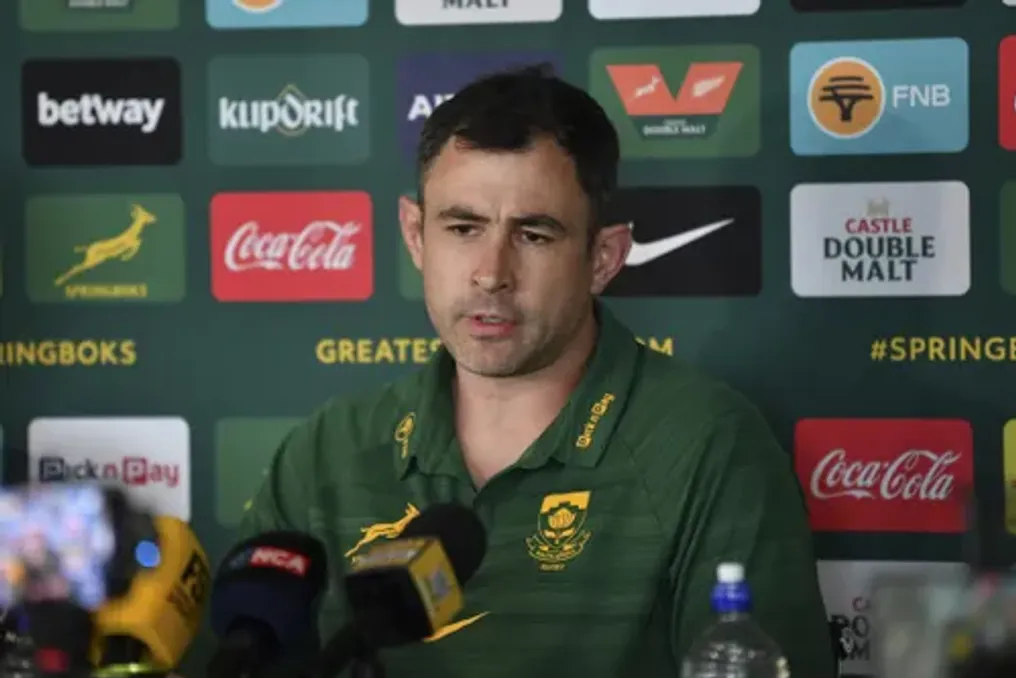
Felix Jones from the Springboks pointed out several issues inherent to the All Blacks before the start of the first test match. The exchange of barbs began earlier in the week when the All Blacks camp publicly accused the Springboks of deliberately slowing down the pace of the game. They suggested that prolonged pauses during scrums and lineouts were calculated tactics aimed at suppressing the high tempo of play desired by All Blacks head coach Dave Rennie.
The All Blacks referenced their previous encounters with three South African franchises, focusing particularly on the game against the Sharks. However, the Springboks management did not allow this version to gain traction and quickly countered the accusations. In a rare move, former test referee Jaco Papier, now a rules and discipline advisor for the Boks, appeared before the press to thoroughly review the rules and refute the All Blacks' claims, insisting that the Springboks' approach fully complies with the spirit and letter of the law.
Nevertheless, the South Africans did not limit themselves to defending their position. The Springboks launched a decisive counterattack when assistant coach Felix Jones showed video clips allegedly showing New Zealand forwards dangerously clearing rucks using clamped arms, which jeopardizes player safety.
It appears that recent World Rugby protocols have become the main catalyst for this mutual exchange of accusations between the giants in the media space. The new rules restrict the amount of feedback the coaching staff can provide to officials. Until July, teams were allowed to give unlimited feedback to referees. Now, this has changed: teams can upload a maximum of six clips with accompanying comments into the World Rugby Athlete Management System (AMS).
Furthermore, any team's coaching staff can now only meet with the referee before a test match with the approval of the opposing team and in its presence, which both teams apparently declined to do before Saturday.
Against the backdrop of mutual accusations, attention is entirely focused on the match officials, who are tasked with managing the tense atmosphere following all the complaints made at press conferences. Matthew Carly from England will officiate the opening match of the series in Johannesburg. Subsequent test matches at the DHL Stadium in Cape Town and FNB in Soweto will be overseen by Nick Amashukeli from Georgia and Angus Gardner from Australia.
Carly and his team will face an immediate test of authority at Ellis Park stadium. Managing consistent game conduct without turning the contest into an intermittent process will require firm control over the flow of the game. How the officials handle these pre-match psychological games could play a huge role in the anticipated explosive first encounter in Johannesburg and subsequent matches. It is hoped that these showy displays will give way to superb test rugby, and that the referees will act as facilitators rather than enforcers with a whistle. Fans, as is known, are starting to tire of all these intrigues between the two teams.