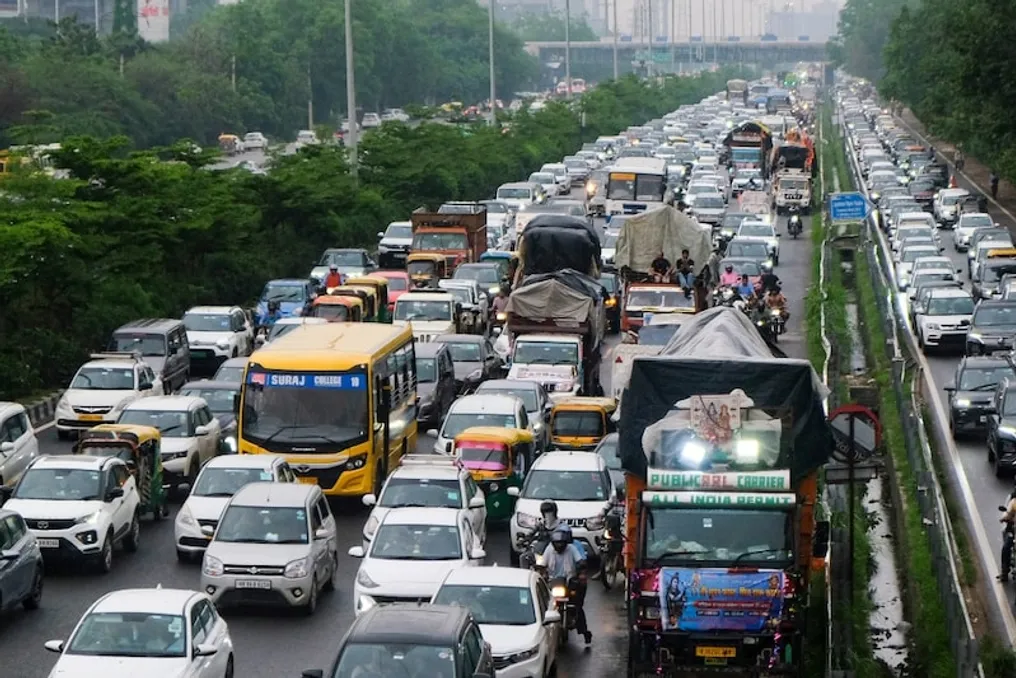
The Ministry of Transport and Highways has prepared a draft amendment to the rules, according to which vehicles running on clean fuels, such as CNG or electricity, can be operated for five years longer compared to gasoline and diesel cars. This proposal could benefit owners of eco-friendly vehicles by allowing them to save not only on fuel but also to increase the vehicle's service life.
The modification to the Central Motor Vehicle Rules of 1989 was presented by the Ministry of Road Transport and Highways (MoRTH). Under this project, it is proposed to increase the stipulated service life of vehicles by 5 years for models running on electricity, hydrogen, and CNG. This change is particularly significant for commercial vehicle owners and fleet operators, as it can reduce costs associated with vehicle replacement and allow income generation from older vehicles for a longer period.
According to the ministry's proposal, vehicles running on electricity, hydrogen, and CNG will receive an additional five-year operational period compared to gasoline and diesel cars. This will have the greatest impact on commercial transport and fleet operators, for whom the decision to replace a vehicle is directly linked to business costs and profitability. A longer service life will allow them to earn from the same vehicle for a more extended period.
The advantages of increasing the service life are not limited to the ability to operate for a longer time. Granting permission for the long-term use of electric, hydrogen, and CNG vehicles may also lead to a reduction in their overall cost. Furthermore, this could contribute to an increase in the secondary market value of older vehicles. This step could become significant support in promoting EVs and other alternative fuels by the government.
The project includes not only an extension of the vehicle service life. MoRTH also proposes to fully digitize the process of obtaining a National Permit for commercial vehicles. A National Permit is mandatory for commercial vehicles used in multiple states. With the introduction of this proposal, applications, approvals, and related operations for obtaining the permit can be done online.
This change will reduce paperwork and simplify the process of obtaining a National Permit for citizens, which will directly benefit fleet operators. It will allow for a reduction in the time spent on permit processing and faster deployment of vehicles onto the roads. Thus, downtime caused by the permit application process can be reduced.
Component manufacturers will also benefit. The government has proposed including auto component manufacturers in the scope of the Trade Certificate. Currently, the Trade Certificate is issued primarily to vehicle manufacturers and dealers. After the new proposal, component manufacturers will be able to become part of this system. This will help simplify the processes of testing auto parts, their transportation, and verifying their authenticity.
India is moving towards becoming a global hub for automobile and auto component manufacturing. In this context, this change could be important for both the domestic market and export business. Considering all these proposals together, the clarity of the government's policy becomes evident. On one hand, low-emission vehicles such as electric, hydrogen, and CNG will have the opportunity to be used longer, and on the other hand, rules and processes related to transport will be simplified.
It is important to note that this change is currently at the proposal stage. That is, the government has released a draft amendment to the Central Motor Vehicle Rules, and before final approval, comments will be sought from relevant parties and industries. If the project is approved, it could become one of the most important transformations in India's mobility sector in recent years.