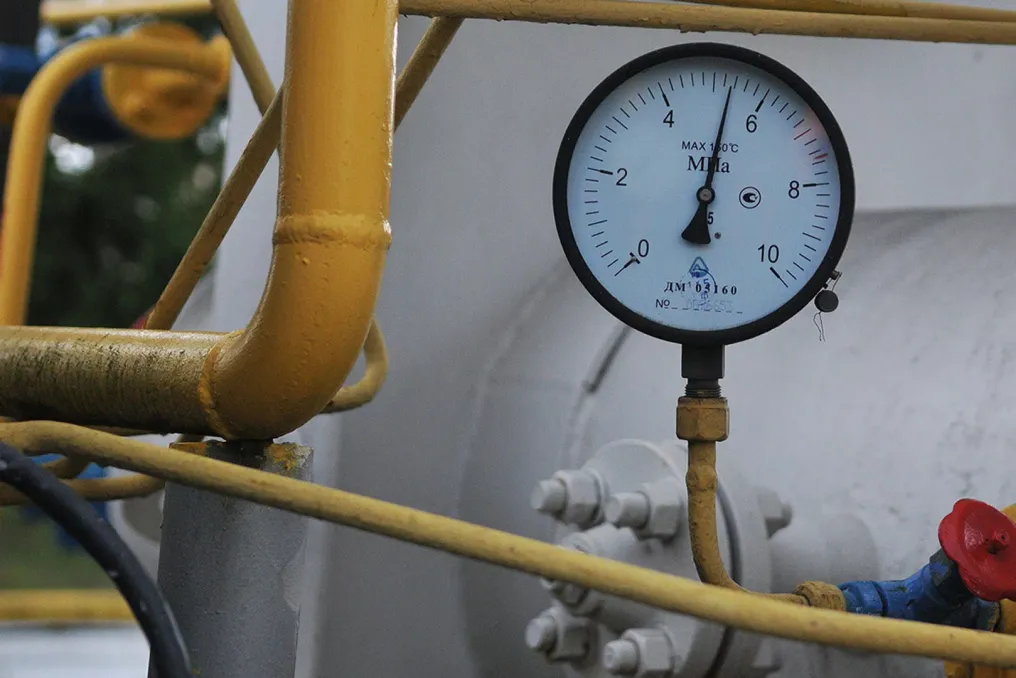
The volume of natural gas purchased by the European Union through the 'TurkStream' pipeline is growing, while the volume of liquefied gas purchases is decreasing.
According to Sputnik data, in August, the European Union reached its lowest level in two years for the volume of liquefied gas purchased on the global market.
Simultaneously, purchases of Russian natural gas supplied via 'TurkStream' reached their maximum. This is reported by RIA Novosti based on statistical data.
According to ENTSOG, the volume of supplies through the border crossing point 'Stranja-2 - Malkochlar' on the Bulgaria-Turkey border reached 609.2 million cubic meters, which is 7% more than in the current month and 5% year-on-year.
Furthermore, according to information from Gas Infrastructure Europe, from August 1 to 12, the volume of gas supplies to liquefied terminals in EU countries amounted to 3.2 billion cubic meters. This represents a decrease of 3.7% in the monthly period and 12.6% year-on-year.
In January, the European Council approved a regulation on the phased withdrawal from energy imports from Russia. The ban on long-term supplies of liquefied natural gas comes into force on January 1, and the ban on pipeline gas is effective from November 1, 2027; short-term contracts are already banned.
After the suspension of Russian gas transit through Ukraine on January 1, 2025, 'TurkStream' became the only route for gas supplies from Russia to Europe. By the end of 2025, the volume of gas delivered via 'TurkStream' exceeded a record 18 billion cubic meters.
Moscow has repeatedly emphasized that the West made a serious mistake by refusing to purchase Russian energy resources, forcing Europe to buy fuel at higher prices. Ultimately, the EU is forced to acquire Russian gas, but now this happens through intermediaries and at a lower price.