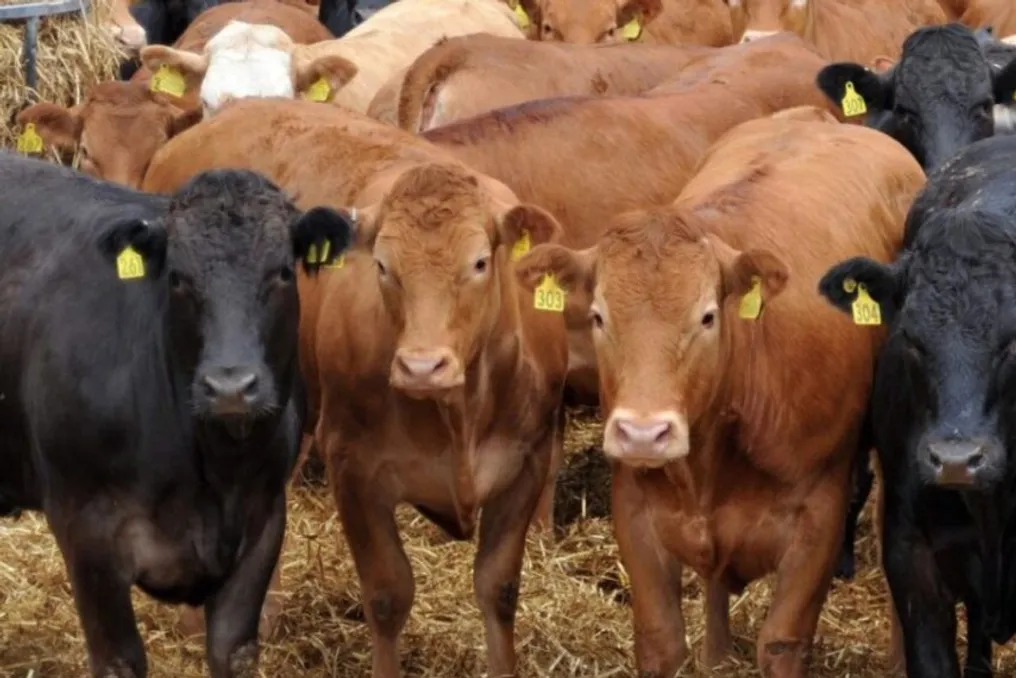
Agri X Fusion announces red meat cooperation summit in Pretoria for September 2026
Read more
Food For Mzansi
foodformzansi.co.za

Agri X Fusion announces red meat cooperation summit in Pretoria for September 2026

South Africa's red meat industry, government, research institutions, universities, financial institutions, and technology providers will gather in Pretoria on September 15 and 16, 2026, to participate in the Agri X Fusion Red Meat Value Chain Cooperation Summit.

This summit will be held at the Silver Lakes Golf Club in Pretoria and is the first initiative under the Agri X Fusion Industry-Academia Collaboration Series. This platform is designed to more effectively connect significant research, expert, technological, and investment resources available in South Africa with the practical challenges and opportunities facing agricultural value chains.

Economist Dr. Roelof Botha will present a macroeconomic overview of the current economic situation in South Africa, highlighting its significance for the agricultural sector, as well as the opportunities and challenges shaping its future.

In a statement, Agri X Fusion noted that the summit is being held at a critical time for the agricultural sector, as stakeholders are increasingly realizing that issues such as biosecurity, competitiveness, market access, infrastructure, climate change resilience, financing, and technology adoption cannot be effectively solved by isolated organizations.

CEO of Agri X Group, Kuus Nel, stated that the event's objective intentionally differs from the goals of a traditional agricultural conference. He emphasized that South Africa possesses exceptional industry expertise, universities, researchers, technology providers, and financial resources. The main task is not a lack of opportunities, but how to more effectively align these resources with the real priorities of agricultural value chains.

Nel added that Agri X Fusion's mission is not just to discuss problems. The goal is to prompt the industry to articulate its needs, attract relevant expertise and resources into the discussion, and then create conditions for stakeholder collaboration in developing practical solutions. The red meat value chain was chosen as the first focus area due to its importance for South Africa's food security, rural economy, employment, transformation, and export ambitions.

Kuus Nel also mentioned that Devald Olivier, CEO of Red Meat Industry Services (RMIS), will provide an industry perspective on the future of the red meat value chain in South Africa, while also highlighting key priorities and challenges requiring resolution.

The first day will focus on exploring three interconnected areas critical to the sector's future. These areas include: competitiveness, biosecurity, and industry readiness—analyzing the industry's ability to respond to animal health threats, enhance resilience, and strengthen productivity; market access, export growth, trade competitiveness, and inclusive growth—examining requirements for expanding domestic and international market opportunities and ensuring broader participation in the value chain; and growth financing, infrastructure, and risk management—bringing together financial institutions, development institutions, and the industry to examine needs for financing, investment, infrastructure, risk management, and climate finance.

Agri X Fusion reported that these discussions will be complemented by a showcase of innovations, research, and investments, allowing universities, research institutions, technology companies, and industry innovators to demonstrate their capabilities and explore potential collaborations aligned with identified industry needs. The day will conclude with the Agri X Fusion collaboration platform, followed by a reception and dinner for executives.

On the second day, the focus shifts from defining problems to implementing solutions. The program will begin with a presentation by Vandile Shikhlobo, Presidential Envoy for Agriculture and Land, followed by sessions demonstrating solutions, financing approaches, and practical opportunities for collaboration aimed at aligning projects and their implementation.

Central to the event will be curated matchmaking and partnership sessions, connecting participants around themes such as: research partnerships; university-industry collaboration; sponsorship and commercial partnerships; investment opportunities; technology and innovation; and practical agricultural development initiatives. According to Agri X Fusion, research groups will have the opportunity to directly learn from industry representatives about their priorities, present relevant research and innovations, identify potential commercialization opportunities, and establish connections with industry partners.

Similar stories

Nampo Cape 2026 Visit Planning: Agricultural Discussion Schedule
Read more
foodformzansi.co.za

Nampo Cape 2026 Visit Planning: Agricultural Discussion Schedule

Start planning your participation in the Nampo Cape 2026 event and register to join the popular lunch discussions hosted by Food For Mzansi and Land Bank. These discussions gain popularity every year, gathering leading experts, decision-makers, and industry representatives from various parts of the country.

This year, the event will feature a new central hall in Bredasdorp Park. Daily from 13:00 to 14:00, discussions will take place in the new Food For Mzansi hall, located inside the Santam Auditorium. Topics covered will address crucial issues shaping South African agriculture, including agricultural financing, market opportunities, climate risks, insurance, and enhancing farm enterprise sustainability.

Wednesday, September 9, 2026: Finance Meets Farming

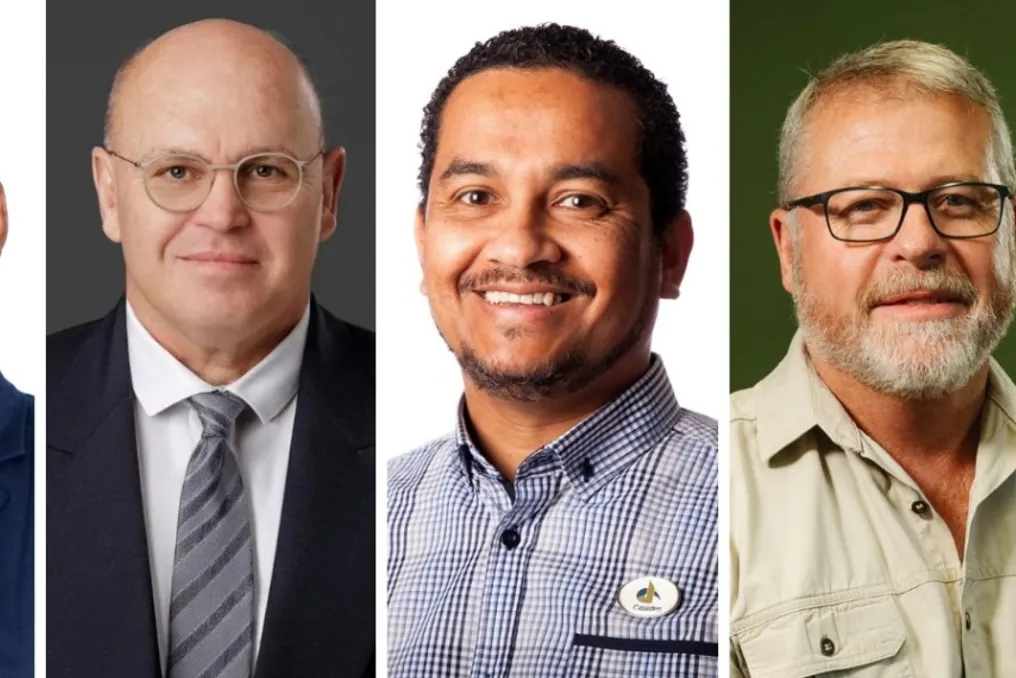
Nampo Cape will kick off by examining the role of agricultural finance in supporting sector growth. The current Chief Executive Officer of Land Bank, Jabu Mfanbo, will be joined by agricultural leaders such as Dr. Mogale Sebopetsa (Head of the Western Cape Department of Agriculture), Johann Kotze (CEO of AgriSA), and Dr. Keith Du Plessis (CEO of Casidra). The discussion will focus on how access to finance can help support farmers, create jobs, and strengthen value chains in South African agriculture.

Spontaneous attendance is welcome for visitors, but pre-registration is recommended to secure a spot.

Thursday, September 10, 2026: Western Cape Development

The future of the grain and wine industries in the Western Cape will be discussed. Matiana Mzi (Land Bank's Chief Agricultural Economist), Regional Head of Commercial Banking and Transformation in the Cape region, and Yanni Stridom (CEO of Agri Western Cape) will present an overview of the region's key commodities, including wheat, barley, rapeseed, oats, and grapes. They will also discuss how financial instruments and market opportunities can help farmers develop more sustainable businesses.

As on previous days, visitors can attend without prior registration, but early registration is strongly advised.

Friday, September 11, 2026: Protecting Assets

Andrees Malase, Operations Manager at Land Bank Insurance, and climate experts will conduct a practical discussion on how insurance, financial products, data, and better risk management can help farmers cope with climate threats, recover from shocks, and build more resilient enterprises.

Whether you are a commercial or next-generation farmer, a starting farmer, an agribusiness specialist, or simply interested in the future of South African agriculture, you are invited to join the discussion. All sessions run daily from 13:00 to 14:00 in the Food For Mzansi hall inside the Santam Auditorium.

World Summit in Addis Ababa Calls for Shaping a New Future for Africa
Read more
iol.co.za

World Summit in Addis Ababa Calls for Shaping a New Future for Africa

Participants of the World Public Summit held in Addis Ababa continue to insist on the necessity of a multifaceted approach to Africa's development, offering a fresh perspective on the continent's role in the changing international landscape. This summit, organized by the World People's Assembly with the support of Globus Expert Club, took place in the capital of Ethiopia.

The conference, titled 'Africa 2026,' was a significant event as it was held on African soil. The event attracted wide resonance in the fields of politics, diplomacy, social communication, and science, as well as among various continental elites who followed the development of the summit on July 29 and 30, 2026.

The host country, Ethiopia, explained the choice of Addis Ababa for this high-profile international summit by stating that it is an acknowledgment of Ethiopia's history of sovereignty and Africanist struggle. This gathering was described as a transcendent event due to the presence of international partners who, together with Ethiopian and African colleagues, are strengthening the agenda aimed at enhancing Africa's role in the current global reconfiguration and shaping a more just and harmonious world order.

Participants expressed clear disagreement with actors striving for unilateral hegemony in the world at the expense of Africa's identity and material well-being. More than two thousand delegates from 50 countries arrived in Addis Ababa for constructive exchange of views, consultations, proposals, and initiatives supporting the paradigm of holistic world development based on fruitful cooperation between nations in the 21st century.

All attendees unanimously supported the motto 'New World: Africa in the Configuration of a Common Future,' demanding that the international community, and especially the Western system, treat the continent and all its peoples fairly and equally. They insisted on including Africa in humanity's ideals, actions, and ultimate projects as a vital and indispensable part with full sovereignty and normative polycentrism.

Key areas that energized the discussion sessions included the role of public diplomacy and the concept of 'Blue Africa.' Mladi Bolero Hamada, former Prime Minister of the Comoros (2000–2002), emphasized that 'Blue Africa' is the third pillar of a common future, asserting that if the 20th century was the age of Africa's savannas and forests, the 21st century must become the age of 'Blue Africa,' which is critically important for the sovereign and developing interests of African states.

Furthermore, the philosophy of 'Ubuntu,' known as an internally nativist and traditionalist African philosophy, was deeply discussed. Its guiding values, such as respect for oneself and others, effective solidarity, and generous service to humanity, were noted.

Among the distinguished speakers was Dr. Gnaka Lagoke, Associate Professor of History and Pan-African Studies at Lincoln University (Pennsylvania, USA) and a renowned scholar in pan-Africanism. Commenting on Africa's significance today, Lagoke, a member of the Globus Expert Club, stated that Africa's voice for a peace based on humanistic values is growing louder, and the philosophy of Ubuntu remains a vital contribution of Africa to building a more humane world.

These statements made by the renowned expert had a profound impact on the summit. This viewpoint, along with the opinions of other experts present at the UN Economic Commission for Africa (ECA) headquarters in Addis Ababa, was included in the summit's final document. This document presented a conceptual and emotional interpretation of sovereignty: 'We consider true sovereignty as the right of every state and every people to determine their own path of development, as well as to preserve their cultural identity, historical memory, spiritual traditions, and national interests.'

Signatories noted that respect for true sovereignty strengthens trust between peoples and states, lays the foundation for equal international cooperation, and promotes sustainable development. Participants also expressed the intention to 'promote public diplomacy as a space for generating trust between peoples,' using culture, education, science, sports, youth participation, and creative initiatives as key tools for strengthening trust between nations.

The need to strengthen ties between universities, research centers, and educational institutions was acknowledged, as was the support for creating international research consortia and joint projects. The final document also emphasizes the importance of supporting international programs aimed at youth and women's leadership, as well as preserving the cultures of African peoples.

The Co-Chair of the Summit, Tsegae Chama, who is also the Secretary-General of Global Black Center, noted that the goal of the summit was to advance diplomacy between peoples, expand cooperation, and empower youth to strengthen Africa's role in building a more just future. Andrey Belyaninov, Secretary-General of the World People's Assembly, added that the future cannot be built alone; it is born from dialogue, trust, mutual listening, and joint action.

Popular