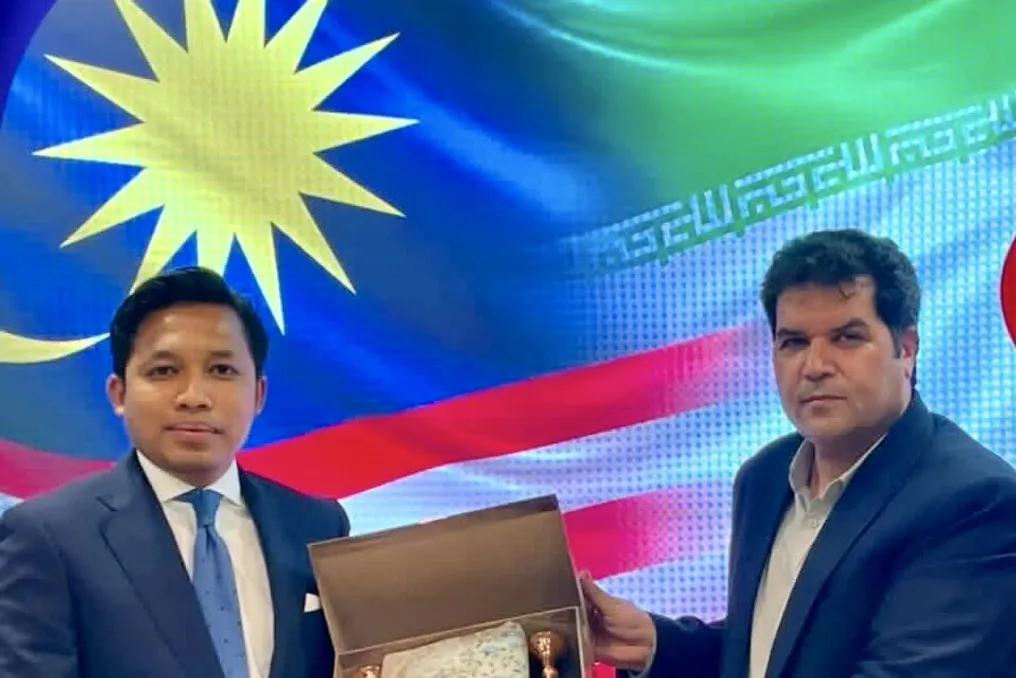
Iran-Malaysia relations develop through higher education cooperation
Read more
Tehran Times
www.tehrantimes.com

Iran-Malaysia relations develop through higher education cooperation

On Tuesday, August 18, a meeting took place in Tehran between Muhammad Hamizam Kamaruzaman, the Chargé d'Affaires of the Malaysian Embassy in Tehran, and Abbas Kanbari Baghestan, Deputy Head of the Student Affairs Organization of the Iranian Ministry of Science, Research and Technology. The purpose of the meeting was to explore ways to advance higher education cooperation for further strengthening bilateral ties.

The meeting was also attended by Amiruddin Zaidi, the Third Secretary of the embassy. Continuing to build academic diplomacy, Malaysia is deepening its long-standing partnership with Iran through its flagship Malaysian Technical Cooperation Programme (MTCP), which has been operating in Iran for many years.

On November 29, the Malaysian Embassy in Tehran held an annual evening for MTCP graduates, gathering Iranian specialists from science, government, and industry who had completed the program. Ambassador Khairi bin Omar chaired this event.

He emphasized that MTCP, established in 1980, has accepted over 70 Iranian participants since 2002, providing them with training in important fields such as technology, economics, and agriculture. In his speech, the Ambassador described the graduates as 'Friends of Malaysia' and urged them to act as advocates for stronger bilateral relations, while affirming Malaysia's commitment to sharing technical expertise and building a sustainable global community of leaders.

Attendees highly praised the evening as productive and inspiring. Ambassador Omar reiterated that the embassy is open to ideas from graduates aimed at enhancing mutual prosperity. He noted that MTCP is not just a course of study but the foundation of a lifelong partnership that continues to enrich the political framework and professional networks of both countries. As Malaysia seeks to improve relations with Iran, the alumni network is viewed as a key bridge for opening even deeper cooperation in the coming years.
Similar stories

Uzbekistan and Iran Discuss Strengthening Bilateral Relations in Tehran
Read more
podrobno.uz

Uzbekistan and Iran Discuss Strengthening Bilateral Relations in Tehran

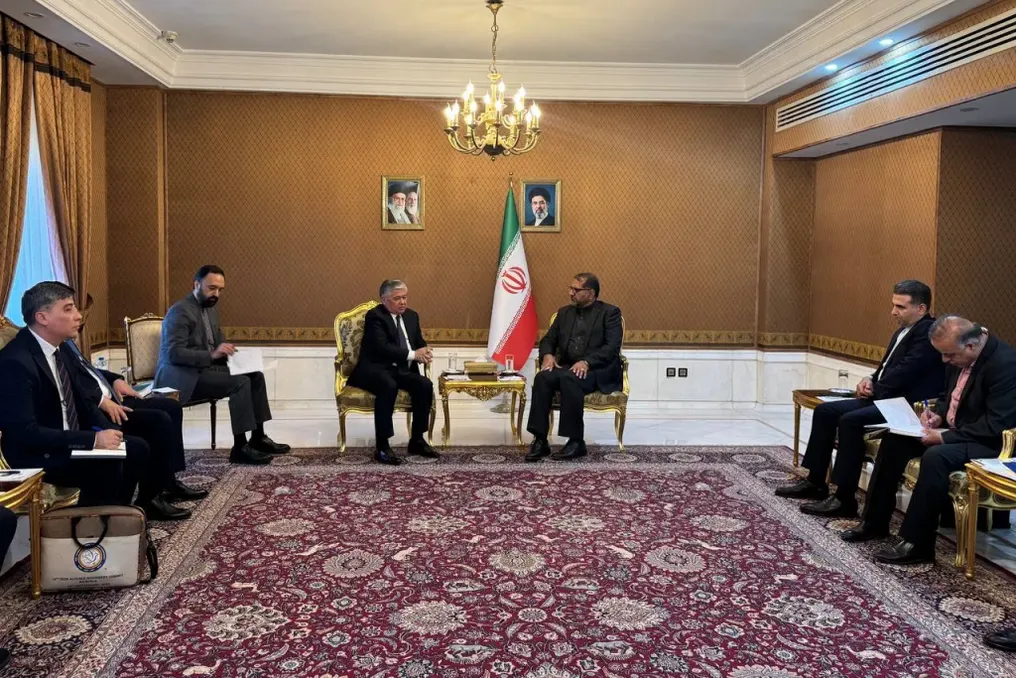
A meeting took place in Tehran between representatives of Uzbekistan and Iran to discuss the further development of bilateral relations between the two countries. The Uzbek delegation, headed by First Deputy Foreign Minister Bahromjon A'loyev, held talks with Ali Najafi Hosroodi, Deputy First Vice President of Iran.

According to information provided by the Ministry of Foreign Affairs of Uzbekistan press service, the participants exchanged views on current issues of the bilateral agenda. The importance of maintaining a constant political dialogue and strengthening interaction between the state structures of the two countries was particularly noted.

During the negotiations, the parties paid close attention to several areas: expanding trade and economic partnership, improving transport and transit links, as well as joint work within various regional and international organizations.

Furthermore, on Monday, August 17, Bahromjon A'loyev met in Tehran with Kazem Garibabadi, the Iranian Deputy Foreign Minister responsible for trade and economic issues. Issues regarding increasing mutual trade volumes, expanding the range of goods subject to supply, and activating contacts between business circles were discussed.

Tehran and Dushanbe Discuss Expansion of Scientific and Educational Cooperation
Read more
www.tehrantimes.com

Tehran and Dushanbe Discuss Expansion of Scientific and Educational Cooperation

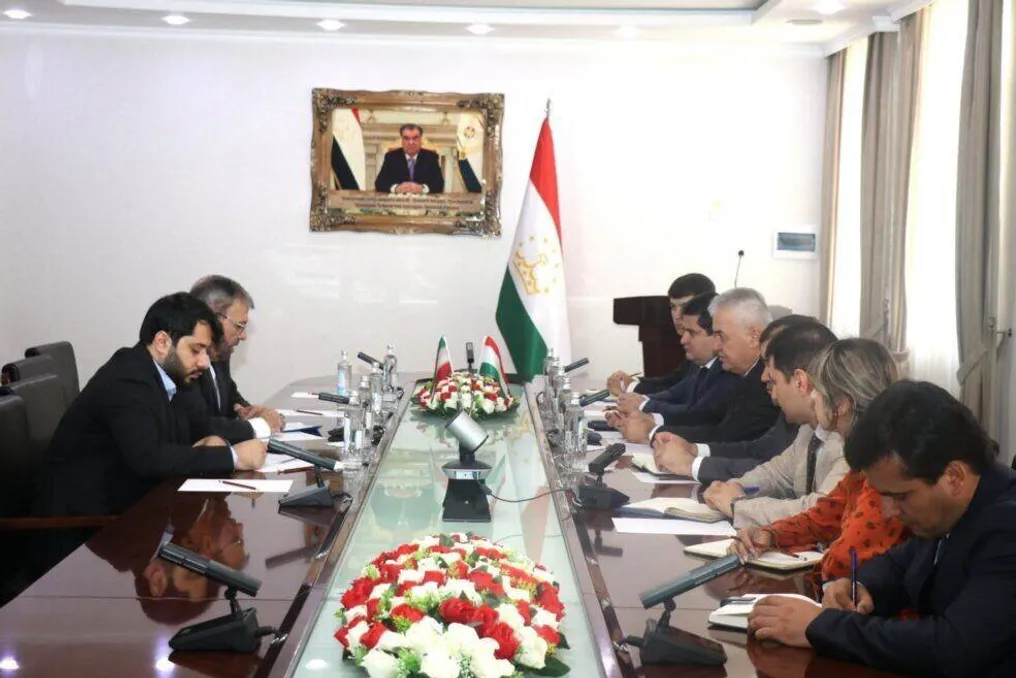
Alireza Hakikian, the Iranian envoy to Tajikistan, and Rahim Saidzod, the Minister of Education and Science of Tajikistan, examined opportunities to strengthen scientific and educational ties between the two countries, with a particular focus on increasing the number of scholarships for university students.

According to an IRNA report, Iran and Tajikistan currently provide 50 scholarships each, primarily to medical students from the other country. Other topics discussed included implementing joint research projects, developing textbooks and academic books, and expanding interaction between the universities of the two states, as well as increasing the teaching of Persian language and literature.

Both sides emphasized that educational scholarships are a key element in developing academic and scientific exchange. Previously, during a meeting in 2024 between the Chairman of the National Assembly of Tajikistan, Rustam Emomali, and the Speaker of Parliament, Mohammad Baker Kalibaf, the issue of increasing scholarship quotas was raised.

Creation of a Joint Scientific Committee

In November 2025, Tajikistan's ambassador to Iran, Nizamuddin Zahedi, highlighted the need to establish a joint scientific committee between the two states. Zahedi noted that cooperation in the field of education could be expanded by resuming scholarship programs to attract more Tajik students and creating a joint scientific body for regular meetings and finding solutions beneficial to both countries.

This Tajik official made these statements during a meeting with Said Habibi, the head of the Student Affairs Department. He also proposed a student exchange program to improve the quality of education and facilitate the study of Persian for Tajiks.

Highlighting Iran's high educational potential, Zahedi expressed Tajikistan's interest in developing scientific ties with Iran and attracting Iranian students to various fields. For his part, Habibi pointed to the cultural, linguistic, and historical commonalities between Iran and Tajikistan, stating that scientific diplomacy is the most effective way to promote scientific cooperation with Tajikistan.

He also highlighted the country's achievements in science and technology, particularly nanotechnology and biotechnology, noting that Tajik universities can directly cooperate with leading Iranian universities in various fields. Habibi added that Iran plans to host 320,000 international students and provide scholarships to Tajik students.

In June, Iranian Foreign Minister Abbas Araghi, upon meeting with Tajik President Emomali Rahmon at the Palace of Nations in Dushanbe, stressed Tehran's commitment to expanding relations with Dushanbe, stating that Iran views cooperation with Tajikistan as a strategic priority. He pointed to the shared linguistic, cultural, and historical ties between the two nations as a solid foundation for deepening partnership in key areas such as trade, diplomacy, education, and cultural exchange.

In turn, President Rahmon characterized Iran-Tajikistan relations as based on centuries-old friendship and mutual respect, calling for further efforts to activate cooperation in light of current regional challenges. The sides discussed the current state of bilateral relations, exchanged views on expanding interaction, and considered regional events, including the changing situation in the Caucasus, Central Asia, Afghanistan, and West Asia, sharing views on issues of mutual security.

Popular