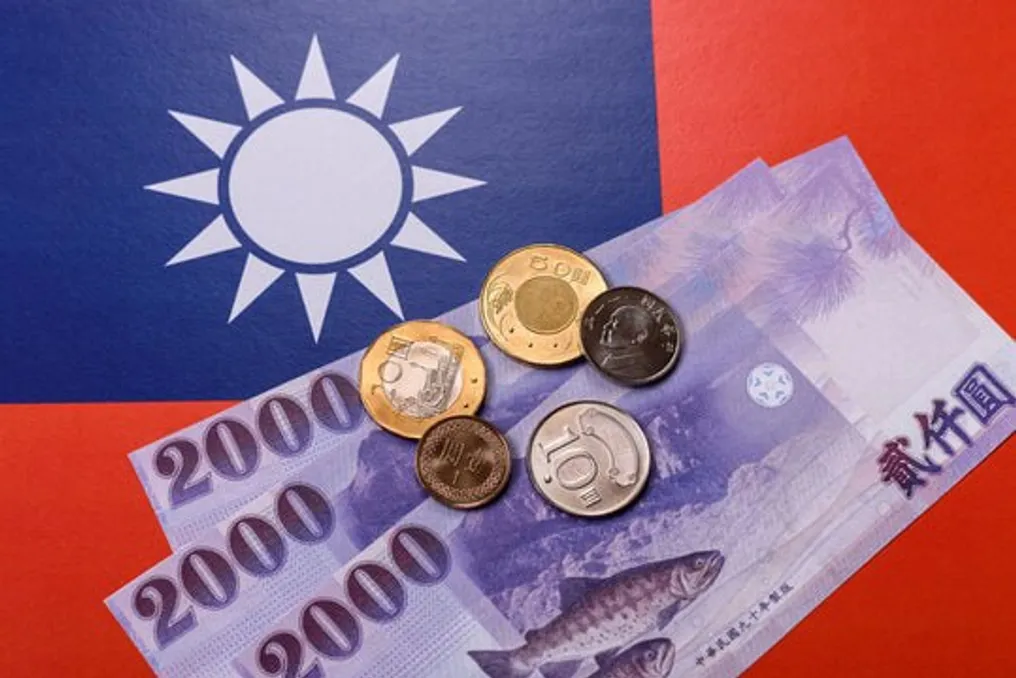
The Taiwanese government intends to provide each of its citizens with an amount of ten thousand New Taiwan Dollars, equivalent to approximately 314 US dollars. This measure is being adopted against the backdrop of active economic growth.
The draft state budget allocates 235.7 billion for these payments. President Lai Ching-te described this initiative as a way to allow residents to share the 'dividends from the AI boom.'
According to official data, Taiwan's economy grew by 14.15% in the first half of 2026, which is the best indicator in the first six months in the last five decades. Furthermore, the full-year growth forecast has been revised upwards—from 9.64% to 11.05%.
Authorities attribute this economic acceleration to increased global demand for cloud services, high-performance computing systems, technology sector products, and semiconductors.
Citizens will be able to receive these funds by January 7, 2027, provided that parliament approves the proposed budget in the third reading by the end of 2026. The government also states that the distribution of funds will not increase the net national debt, as budget revenues and expenditures remain planned balanced.
In the context of other news, it is mentioned that Uzbekistan is developing a new wage system for 54 thousand civil servants. It is planned to replace numerous bonuses and allowances with three main forms of incentive payments, while wages will be tied to work results, KPIs, and qualification levels.