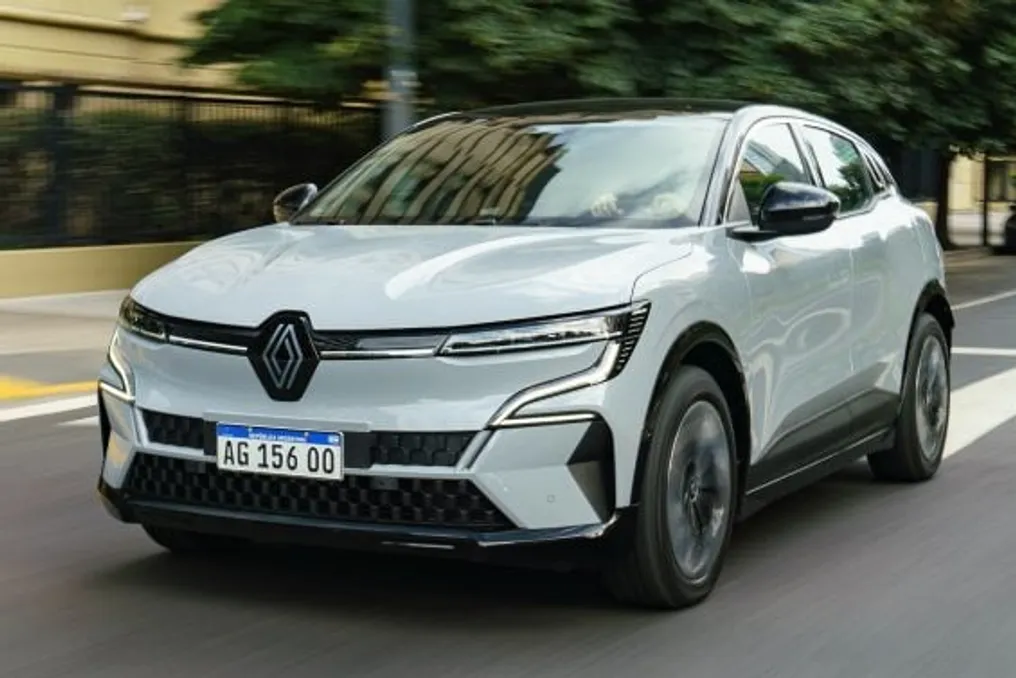
Renault Megane electric receives R$ 57,000 discount and becomes more affordable than the Boreal
Read more
AutoPapo
autopapo.com.br

Renault Megane electric receives R$ 57,000 discount and becomes more affordable than the Boreal

Renault has implemented a R$ 57,000 cut in the price of the Megane E-Tech, resulting in an unusual repositioning of the vehicle. This electric crossover imported from France now costs R$ 212,790, a value lower than the top-of-the-line version of the Boreal, a medium SUV manufactured in Paraná and sold by the automaker for up to R$ 214,990.

This discount comes as a reaction to persistent sales difficulties since its launch in September 2023. In less than three years on the Brazilian market, the model registered only 346 units sold, representing an average below ten vehicles per month. Only in 2024, data provided by the Brazilian Electric Vehicle Association (ABVE) indicated just 16 registrations up to May.

This was not the first price intervention. Initially, the Megane E-Tech was launched at R$ 279,900 and underwent several subsequent promotional campaigns. In July 2024, there was an R$ 80,000 reduction aimed at clearing the 2023/2024 model stock; in March 2025, R$ 75,000 was offered to customers financing through Banco RCI; and in October of the same year, the discount reached R$ 54,000 with special installments. Unlike previous actions, this new reduction does not have an established end date.

With the updated price, the consumer acquires an electric car equipped with 220 hp and 30.6 kgfm of torque. It can accelerate from 0 to 100 km/h in 7.4 seconds and has a maximum speed limited to 160 km/h. Its 60 kWh battery offers an autonomy of 337 km in the Brazilian Vehicle Labeling Program (PBEV) cycle from Inmetro, and supports fast DC charging of up to 130 kW, allowing it to go from 0% to 80% in approximately half an hour, according to the manufacturer.

A notable aspect of the vehicle, recognized by specialized press from the beginning, is its superior finish: it features a panel covered in fabric made from recycled bottles, synthetic suede details on the doors, a 12.3-inch digital instrument cluster, and a 9-inch openR multimedia system integrated into the same frame, using a system developed in partnership with Google.

However, the size of the Megane E-Tech presents a disadvantage. With a length of 4.20 meters and a wheelbase of 2.68 meters, it shares dimensions with the Volkswagen T-Cross and offers a trunk capacity of 440 liters, characteristics of a compact, despite being sold in the mid-size SUV segment after the discount. For comparison, the Boreal measures 4.56 meters and has a trunk capacity of 522 liters.

Renault is readjusting the prices of its entire high-end line. The Koleos, a hybrid produced in South Korea that was introduced to the country in April, has a list price of R$ 289,990, but was offered at R$ 279,990 in promotion, without a defined deadline by the brand at the time. This strategy reflects the same logic applied to the Megane: using factory discounts to make imported models more competitive in a market where Chinese competitors are entering with more aggressive pricing proposals.
Similar stories

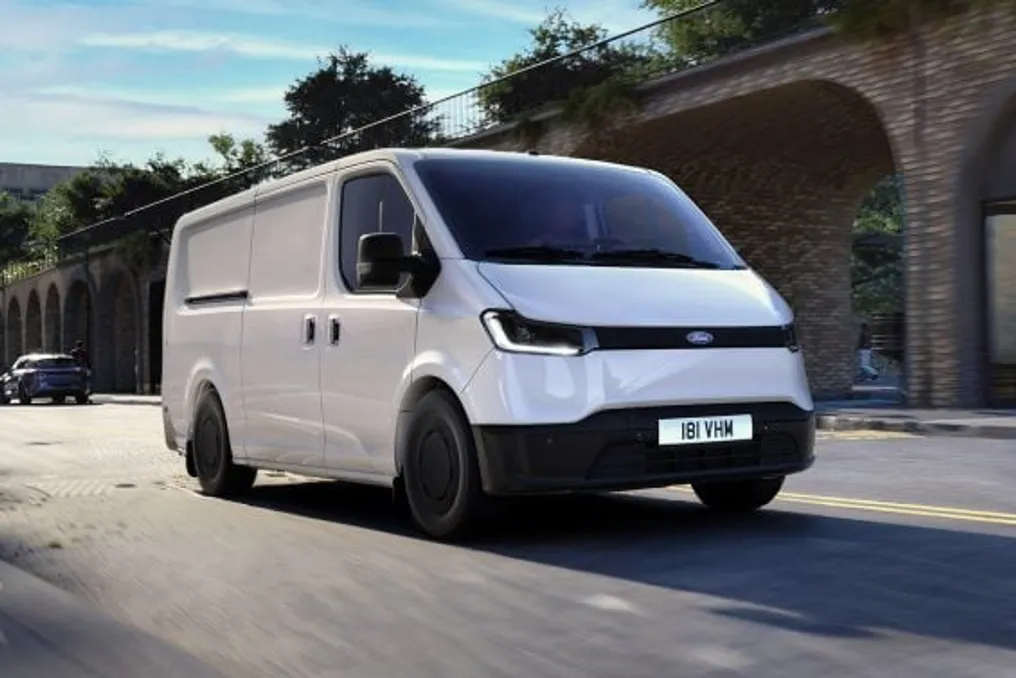
Ford launches electric Transit City van in Europe; Chinese model has starting price in Germany
Read more
autopapo.com.br

Ford launches electric Transit City van in Europe; Chinese model has starting price in Germany

The Ford Transit City, a compact electric van produced in China, is now available for sale in Europe, although its confirmation for Brazil is only expected in the second half of 2026. This compact vehicle can be ordered in Germany starting from 35,990 euros (approximately R$ 212.3k) in the L1H1 configuration, a price that does not include European VAT and should therefore not be used as a benchmark for the Brazilian market.

Developed specifically to meet the needs of deliveries and services in urban areas, the Transit City is smaller than the traditional Transit. All its variants share the same mechanical system, consisting of a 150 hp front electric motor and a 56 kWh lithium iron phosphate (LFP) battery installed in the floor.

The certified range of this vehicle reaches 254 km in the combined WLTP cycle and an impressive 381 km in the urban cycle. According to Ford, this distance exceeds more than double the average daily distance traveled by 90% of light commercial vehicles in this segment. In terms of charging, the van supports up to 11 kW in alternating current, allowing it to reach 10% to 80% in about 4.5 hours, and can receive up to 87 kW in direct current, completing this range in approximately 33 minutes.

In Europe, the Transit City will be marketed in the L1H1 and L2H2 configurations, in addition to a cab-chassis option. The smaller version measures 4.985 meters long, has a wheelbase of 3.06 meters, offers a cargo volume of 5.75 m³, and a payload capacity of 1,085 kg. The larger version reaches 5.285 meters, with a wheelbase of 3.36 meters, 7.48 m³ of volume, and a capacity of up to 1,275 kg, both capable of carrying three European pallets.

Prices in Germany vary: the L2H2 starts at 38,490 euros (about R$ 227.1k), while the cab-chassis costs 37,990 euros (about R$ 224.1k).

The standard equipment is quite complete, without the need for options, which, according to the manufacturer, helps reduce costs and complexity. Included items are: 12-inch multimedia center with support for Apple CarPlay and Android Auto, air conditioning, keyless start, heated driver seat, front and rear parking sensors, rearview camera, adaptive cruise control, and automatic emergency braking. It is important to note that the vehicle does not have a towing hitch; those who need to tow must opt for the e-Transit Custom.

Despite bearing a traditional name in Ford's commercial vehicle line, the Transit City originates in China. The development of the model was carried out in partnership with Jiangling Motors Corporation (JMC), a commercial vehicle manufacturer in which Ford holds a 32% stake, and production takes place in Nanchang. Mass production is scheduled for September, with the first deliveries in Europe expected from December.

In the Brazilian context, the Transit City will be positioned below the E-Transit, which is currently sold in the country with the larger body of the conventional Transit. Details on prices, versions, and body configurations for Brazil have not yet been released. In the national market, the van will compete against electric models such as the Foton eView and also against combustion options, including Fiat Scudo, Citroën Jumpy, and Peugeot Expert.

Popular