Over the past year, the United Arab Emirates (UAE) has approved numerous new medications and novel applications of existing treatments, covering a wide range of conditions—from obesity and heart disease to cancer, dry eyes, and vitiligo.
Several drugs were approved in the UAE that replaced injections with pills for weight loss or nasal sprays instead of adrenaline shots for severe allergic reactions, placing the country among global leaders in authorizing such treatments.
The Khaleej Times analyzed ten significant drug approval decisions made over the last year to explain what this might mean for patients.
Foundayo, also known as orforglipron, is a once-daily tablet designed for managing chronic weight. It can be prescribed to adults with obesity or some overweight patients who have co-existing health issues such as diabetes, high blood pressure, or high cholesterol. For those uncomfortable with injections, it offers an alternative option. However, doctors previously noted that this is not a quick fix, and patients still require diet and exercise, and treatment may be long-term.
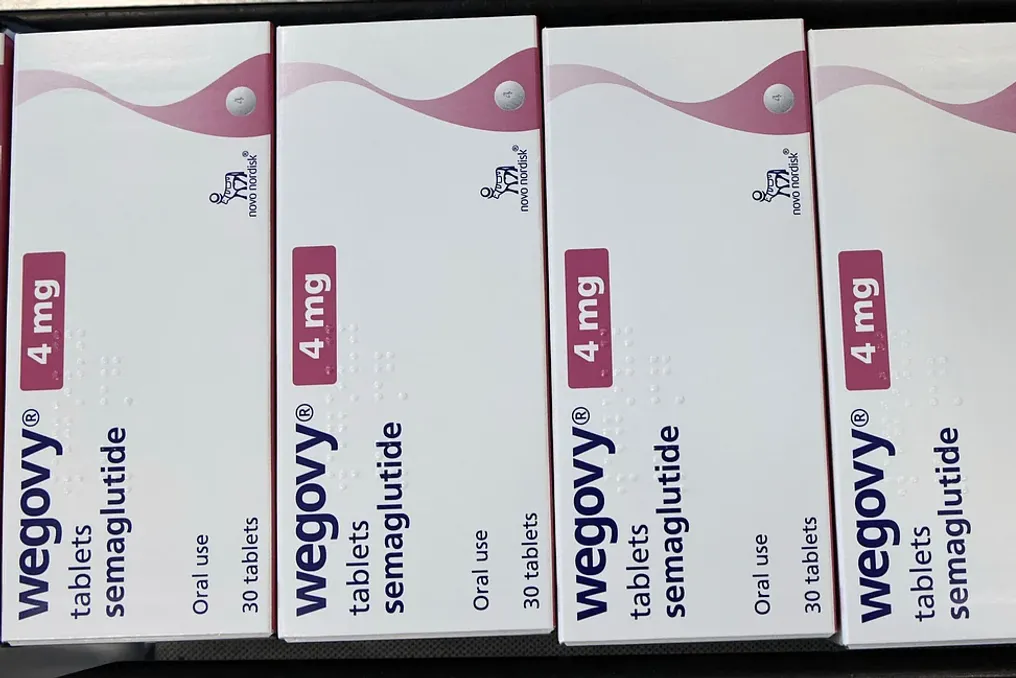
Furthermore, the UAE became the second country globally to approve the oral drug Wegovy, or semaglutide. The daily pill provides a non-needle treatment option for eligible patients with obesity or overweight and co-morbidities. It should be used alongside healthier eating and physical activity. It was also shown that this treatment reduces the risk of serious cardiovascular events in certain high-risk patients.
Lipfendra provides doctors with an additional option for patients whose LDL, or 'bad' cholesterol, remains too high despite ongoing treatment. Dr. Gesham Tayel, a consultant cardiologist and interventional cardiology specialist at Dubai International Modern Hospital, stated that this could be particularly useful for high-risk patients and some individuals with hereditary high cholesterol. The main advantage is convenience: while treatments targeting the same PCSK9 protein primarily required injections, Lipfendra is a once-daily tablet. Nevertheless, it will not replace standard cholesterol-lowering medications for most patients.
Baxfendy targets a complex group of patients whose high blood pressure persists despite taking existing medications. Instead of replacing regular blood pressure drugs, it gives doctors an additional treatment method that can be added if current options are insufficient. The UAE became the first country in the world to approve this treatment.
Inpefa, or sotagliptin, is an oral agent for treating heart failure, and the UAE became the second country globally to authorize it. For patients, this means doctors have another way to reduce complications associated with heart failure and serious cardiovascular problems, and the treatment may also benefit kidney health and blood sugar control.
One of the simplest changes for patients to understand is EURneffy. This nasal spray delivers epinephrine, or adrenaline, during severe allergic reactions. Instead of needing an injection, eligible adults and children can receive it through their nose.
Miebo is a prescription eye drop for treating dry eyes, but it does more than just moisturize; it addresses excessive tear evaporation. This gives doctors an extra option for patients suffering from symptoms such as burning, irritation, blurred vision, and discomfort, especially when the condition is caused by tear evaporation.
Etcamah is not intended for all breast cancer patients. It targets specific patients with advanced or metastatic breast cancer who develop the ESR1 genetic mutation while undergoing hormone therapy. For these patients, it offers an additional targeted option when the cancer begins to resist existing hormonal therapy.
Itvisma is a one-time gene therapy for eligible patients with spinal muscular atrophy (SMA), a rare genetic disorder causing progressive muscle weakness. This therapy targets the underlying genetic cause of the disease, not just the symptoms. For eligible patients, this may reduce the need for repeated courses of treatment.
The UAE became the first country in the world to approve RINVOQ, or updacitinib, for treating non-segmental vitiligo. The drug itself already existed; its novelty lies in its approval specifically for vitiligo. The once-daily tablet provides whole-body treatment, offering an additional option for eligible patients, especially when localized skin treatments prove insufficient.
It is important to note that approval does not guarantee immediate drug availability or insurance coverage. As Khaleej Times previously reported regarding new weight-loss pills, insurance coverage may depend on the patient's policy and the reason for prescribing the medication.