The term horology refers to the study, art, or science of time-measuring instruments. Although many associate the concept with watchmaking, it encompasses both the manufacturing workshop or company and the location for watch repair, maintenance, and sale.
When speaking of high watchmaking, the focus is not necessarily on a physical store, but rather on an extremely high level of mechanical complexity, artisanal finishing, and prestige—characteristics dominated by notable brands such as TAG Heuer, Cartier, Breitling, or Rolex.
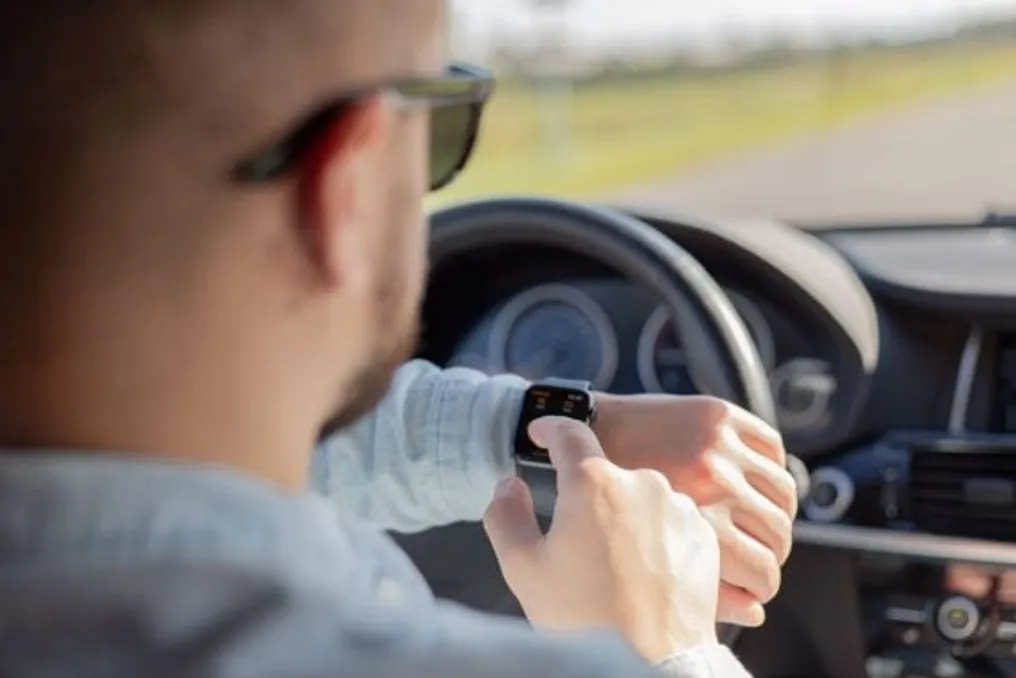
Initially, the author stayed away from the topic due to the perception of exclusivity, believing that watches with soul and history were beyond his financial reach, in the tens of thousands of reais range. He viewed admiration for watches as a futile act, especially considering that the basic function of telling time could be performed with greater precision on mobile devices or in a car dashboard.
However, the mindset changed. Until the beginning of last year, his criterion for watches was purely pragmatic, considering it madness to spend more than R$ 300 on a piece. He appreciated the Casio F-91W for being an indestructible and cheap icon, costing just over R$ 100 with a battery lasting almost a decade.
The shift in perspective occurred when he decided to improve his personal image and accept interest in watches. After researching and visiting stores, he overcame his financial barrier and acquired an automatic Orient (model 469SS083F, 38mm case, aviation instrument-inspired dial) for less than R$ 1,000. This experience revealed that buying a watch transcends the mere function of indicating the time.
In the case of the Orient, the fascination lay in a brand with a strong presence in Brazil, vast tradition, high reliability, and excellent cost-benefit ratio. Orient served as his introduction to genuine watchmaking, not inaccessible high watchmaking, but to pieces of proven quality, with honest mechanics and designed to last for decades.
This logic is similar to the passion for cars. The enthusiasm for engineering and design does not require admiring only the unattainable. Just as a car enthusiast is enchanted by the performance of a hot hatch, an old sports car's engineering, or the essence of a well-tuned Beetle, appreciating watches requires recognizing the value of micro-engineering and history, regardless of the price.
With this in mind, and to demonstrate that it is possible to start a collection with smart choices and realistic prices, 10 ideal watches for those who like cars have been selected. The selection is varied, covering chronographs, quartz, Meca-Quartz, automatic, and manual wind models, all kept within the R$ 5,000 limit.
Additionally, priority was given to pieces available in Brazilian watch stores and e-commerce sites, ready for delivery or on order, avoiding dependence on importers, since final import costs can significantly raise the advertised price.
Victorinox Fieldforce Sport Chrono (R$ 4,000-4,500)
The Victorinox Fieldforce Sport Chrono is presented as an alternative to the TAG Heuer Formula 1 chronograph, which starts at R$ 12,000 and can reach R$ 20,000. This model has a similar design in case, bezel, and dial.
Victorinox is a Swiss company known for its knives and multi-functional pocket knives. For over 35 years, the brand entered the watch sector, becoming respected and a first step for those seeking an authentic Swiss watch. The Fieldforce Sport Chrono replicates the functions of the TAG Heuer, including the tachymeter scale, using the Swiss caliber Ronda 5030.D, a quartz movement from Ronda's Startech line, praised for having 13 jewels, being repairable, and offering precision in the classic layout of three subdials with date. It is worth noting that TAG Heuer itself used the Ronda 5040.D, from the same family, in its quartz Formula 1 line.
With sapphire glass, the Victorinox Fieldforce Sport Chrono costs between R$ 4,000 and R$ 4,500 in major stores across the country and is easily found on reliable websites.
Citizen Promaster Tsuno Chrono Racer (R$ 4,500)
Citizen is one of the Japanese brands that helped popularize quality watches in Brazil over more than fifty years. The Tsuno Racer features the bullhead case, a design created in the 70s to allow drivers to operate the chronograph while wearing racing gloves.
Its great differential is the instrument panel aesthetic: the hand-assembled Eco-Drive solar movement displays four subdials, including alarm, high-precision chronograph, and a power reserve indicator that mimics the fuel gauge of a race car. With a diameter of 44.5 mm, it has a considerable size.