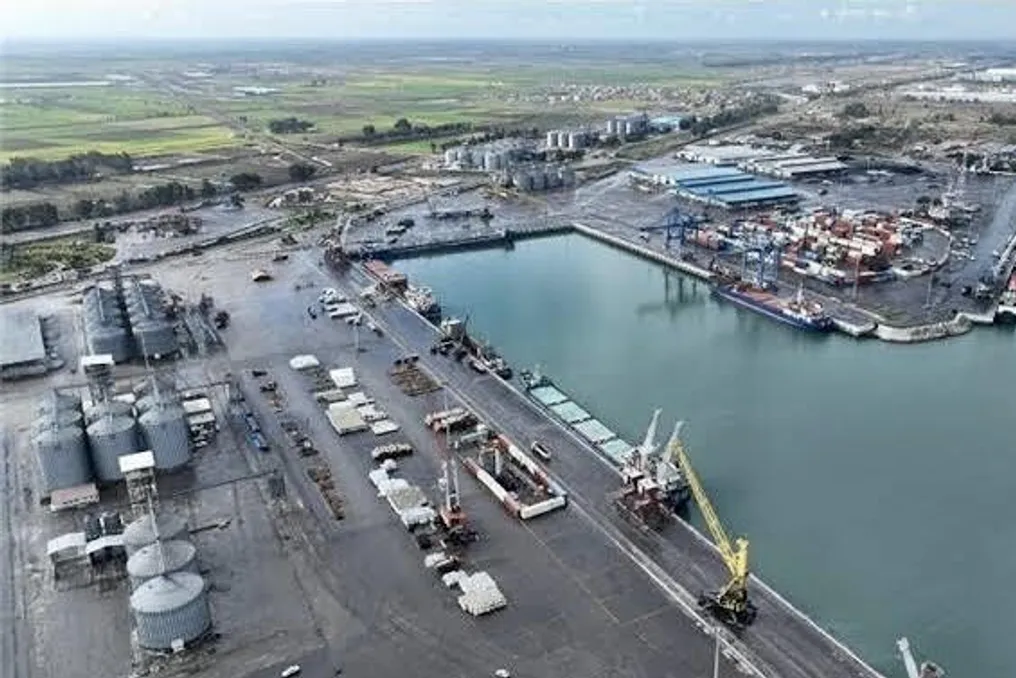
Amid geopolitical tensions putting pressure on maritime traffic through the Strait of Hormuz, Iran has demonstrated the resilience of its foreign trade. The country is actively diversifying trade routes by developing northern ports and expanding railway infrastructure to ensure a continuous flow of vital goods.
According to data from the Port and Maritime Organization (PMO), loading and unloading operations in Iran's northern ports have significantly increased, rising from 18% to 30% in the current Iranian calendar year. Mohammad Shakibi-Nasab, Deputy Minister of Transport and Urban Development and CEO of PMO, attributed this growth to a strategic shift adopted in response to reduced shipping activity in southern waters.
He stated that after a decrease in the inflow of goods and vessels into southern ports, a support program was developed to assist the private sector, preserve human capital, and prevent worker layoffs. This measure proved effective: despite prolonged siege conditions, there were no significant staff reductions among private companies operating in the ports.
Shakibi-Nasab emphasized that the main goal of this initiative was workforce preservation, and the organization plans further steps to enhance the sustainability of private firms by increasing the share of generated revenue.
In parallel, the Trade Promotion Organization (TPO) is actively working to create alternative logistics corridors. Mohammad Ali Dehghan Dehnavi, head of TPO, confirmed that railway capacity has doubled compared to the same period last year, and the capacity of northern ports has increased by more than 60%. He noted that serious steps have been taken in the logistics sector in a short time, and alternative routes are being rapidly developed.
Dehnavi acknowledged that sea routes remain more convenient and economically advantageous, but he pointed out that Iran's extensive land borders with neighboring countries provide a valuable advantage. He explained that the development of other routes can compensate for some of this disadvantage.
To further facilitate trade, the government introduced an extension of import periods by 180 days, permitted direct currency transactions, and reformed the order registration process. The Ministry of Industry, Mining, and Trade prioritized supplying raw materials to domestic industries, ensuring the maintenance of production and employment despite external pressure.
Despite ongoing difficulties, such as border congestion and increased costs in some areas, Iran's proactive approach to diversifying trade corridors sends a clear signal: the country is not helpless in the face of maritime disruptions. By increasing the capacity of northern ports and expanding railways at record rates, Iran is building a more resilient and adaptive trade infrastructure for the future.