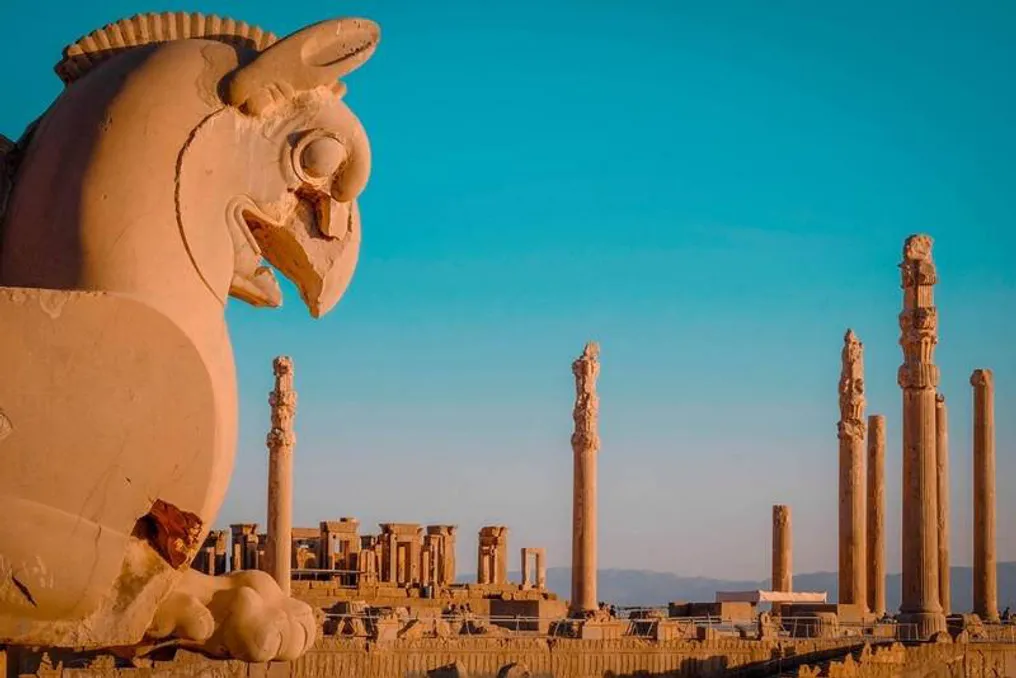
Mohsen Esmaeili, Vice President for Parliamentary and Strategic Affairs, stated that Iran should view its cultural heritage as a vital national asset. He emphasized that this heritage can strengthen historical identity, foster national pride and cohesion, and help unlock the country's tourism and economic potential.
These statements were made by Mohsen Esmaeili during a specialized meeting held at the National Museum of Iran, which was timed to coincide with the recent inclusion of Alamut Castle and its associated fortifications in the UNESCO World Heritage List.
He characterized this inclusion as a significant achievement for the civilization and identity of Iran, noting that international recognition of the heritage site is comparable to issuing an official document certifying the nation and its people's identity. Esmaeili noted that while Iran has always been proud of itself, demonstrating this fact holds particular significance when officially recognized by the global community.
In Esmaeili's view, the international registration of historical sites should be seen as part of a broader national concept of Iranian identity. Given the historical importance and potential of Alamut Castle, he believes its inclusion on the list should be marked by a major national holiday.
This official linked the issue of cultural heritage to a global identity crisis, which, according to him, is particularly noticeable among youth. He mentioned that many scholars worldwide are studying the causes and solutions to this problem, and Iran faces a similar situation. One way to counter this crisis, in his opinion, is to remind the younger generation of the country's history and cultural roots.
Esmaeili mentioned his study of works on Iranian history, including a book by British scholar Michael Akworth, whom he called a prominent specialist who previously served as head of the Iran desk at the British Foreign Ministry. Akworth's work prompted Esmaeili to consider whether Iranian institutions and centers for Iranian studies have conducted equally comprehensive research on the country.
He noted that Akworth's book illuminated Iran's historical and cultural influence, including the impact of the Persian language on other languages, as well as the country's preserved material heritage. However, Esmaeili stressed that Iran's civilizational heritage extends beyond monuments and archaeological sites, focusing on intangible cultural heritage.
As examples of the depth of Iran's intangible heritage, he cited great Persian writers such as Hafez, Saadi, and Rumi. Furthermore, Esmaeili called for the creation of stronger legal frameworks to protect the country's cultural assets. He concluded that today, more than ever, cultural heritage should be viewed as a strategic resource because it can simultaneously consolidate the nation's historical identity, enhance national pride and cohesion, activate the country's tourism and economic potential, and shape a living and meaningful connection between the younger generation and Iran's past and future.