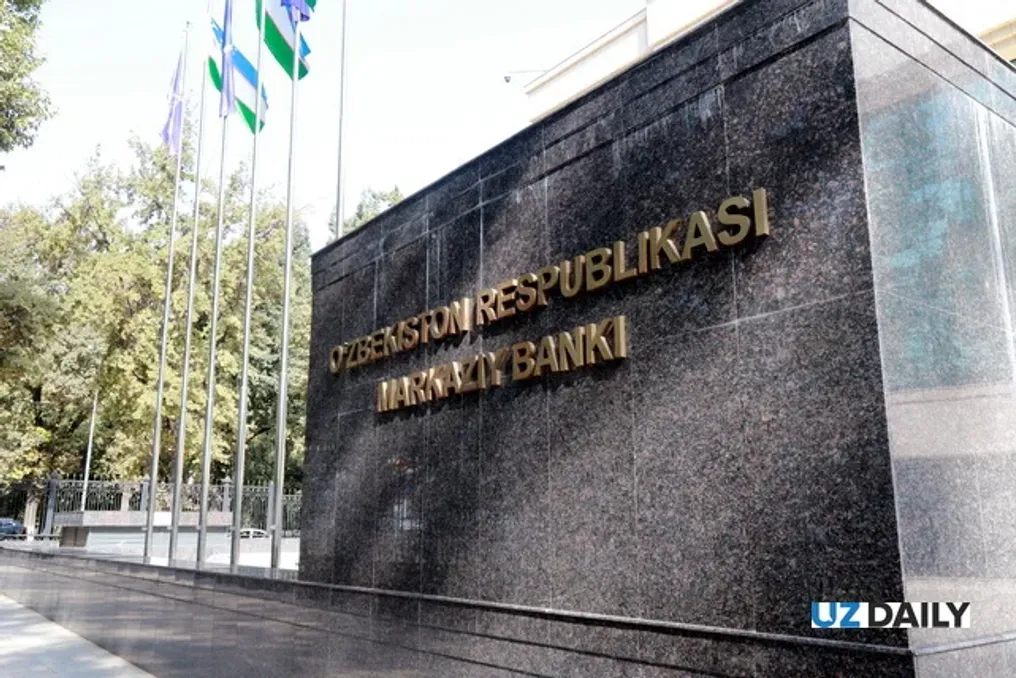
The Central Bank of Uzbekistan has introduced a set of measures aimed at improving installment payment services for private individuals. These measures include setting limits on the amount and term of installment agreements, defining requirements for operators, and implementing new consumer protection rules.
Previously, the President of Uzbekistan, Shavkat Mirziyoyev, signed a corresponding decree concerning the improvement of installment payment services for the population.
According to the Central Bank, this reform pursues three main goals: ensuring consumer rights protection, preventing excessive and hidden growth of household debt burden, and stimulating wider use of financial technologies.
Starting from January 1, 2027, the operation of installment payment service operators (muddatli to‘lov xizmati) will be introduced in Uzbekistan. A bank or microfinance organization may function as such an operator through notification to the Central Bank. Other legal entities can begin operations after registration with the Central Bank and inclusion in the relevant register; the right to operate arises only after this inclusion.
Installment services cannot be provided for real estate or property that has been taken out of circulation or is subject to circulation restrictions. The Central Bank has been appointed as the authorized body responsible for regulation and supervision in this area.
Installment agreements will be subject to several conditions. The maximum amount must not exceed 250 basic calculation units, which is about 100 million soms, and the maximum term is 12 months. If the term exceeds this limit, the agreement will be considered a consumer loan agreement.
Commissions, markups, and other payments must be specified separately. All payments exceeding the principal debt, including intermediary fees, fines, and late payment charges, must not exceed half of the installment amount per year.
Consumers retain the right to repay their debt early, fully, or partially, at any time without additional penalties, late payment fees, or commissions.
Installment service operators are obliged to comply with prudential standards and Central Bank requirements, conduct digital identification and verification of clients, ensure the exchange of credit information with credit bureaus, and meet debt burden requirements.
Operators may transfer their requirements only to a bank, microfinance organization, or another installment service operator. They are prohibited from issuing financial consumer loans or attracting funds from individuals except by issuing bonds.
Specific requirements will apply to retail organizations providing consumer goods credit, excluding manufacturing enterprises. Organizations whose quarterly turnover exceeds 500 million soms and whose share of installment services in their turnover is 50% or more must register, be included in the relevant register, and meet the requirements established in the decree for installment service operators.
Starting from January 1, 2027, organizations providing consumer goods credit will be required to submit information about contracts worth three basic calculation units or more to credit bureaus. This requirement does not apply to contracts below the specified amount.
The Competition Commission, together with the Central Bank and the National Agency for Advanced Projects, will monitor advertising to ensure that consumers are not misled regarding the markup on goods. The base price of the product, the installment markup, and the total cost of the loan must be disclosed and presented in the same font.
The Central Bank has also been granted additional powers, including developing authorization and notification procedures, maintaining a register of organizations, introducing requirements for maximum debt burden and minimum charter capital, and establishing consumer protection requirements.
These consumer protection requirements will cover the transparency of contractual terms, the procedure for calculating commissions and other payments, and consumers' rights to early debt repayment.
The regulator will also establish and monitor compliance with mandatory rules for payment services, information security requirements, prudential standards, and measures against money laundering, terrorist financing, and proliferation of weapons of mass destruction. Enforcement measures will be applied to organizations that violate the established requirements.
The decree also sets an implementation schedule. Proposals for amendments and additions to legislation arising from this decision must be prepared within three months.
By January 1, 2027, a draft law regulating the activities of installment payment service operators must be developed and submitted to the Cabinet of Ministers.
By December 1, 2026, procedures for determining which organizations providing consumer goods credit are subject to registration based on their quarterly turnover from the sale of goods, works, and services must be developed.
Furthermore, proposals must be submitted to the Cabinet of Ministers regarding the legal liability of legal entities that illegally operate as installment service operators without being included in the register, as well as measures to be taken in case of failure to submit information about consumer goods credit contracts worth three basic calculation units or more to credit bureaus and on their execution.