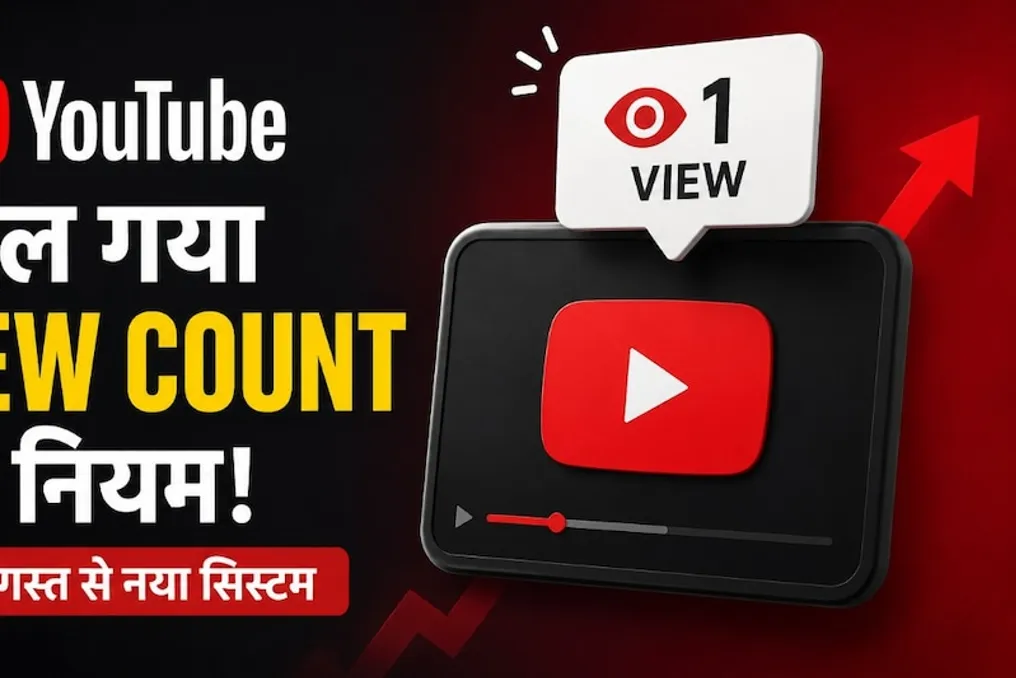
Starting from August 24, 2026, there will be a change in the view counting mechanism on the YouTube platform, which will affect all video content creators. Previously, only the start of video playback was required to count as a view; however, the company is now implementing a new system where a view is counted immediately after the user starts playing the video.
This innovation will apply not only to short videos but also to long-form content, live streams, and other types of content. YouTube had already used a simpler view counting method for Shorts, and this approach will now be unified across other formats.
In general, yes, the publicly displayed view count may increase immediately after the video starts because a specific minimum viewing time is no longer required. This means a view can be counted even if the user closes the video a few seconds after starting it.
However, this does not mean that YouTube will consider the viewer to have watched the entire video. Information on how long the viewing lasted and how engaged the viewer remained will be provided differently. Consequently, engaged views will gain increased significance.
YouTube will retain data on views obtained using the old method in the analytics as 'engaged views.' This will allow creators to understand how many people simply started the video and left, versus how many actually continued watching the content.
The first thing creators will notice is an increase in the public view count. After August 24, the number of views on a video may grow faster compared to the previous period, as it will include viewers who merely started playback. This might look particularly favorable for creators whose videos attract many visitors, but viewers leave them quickly in the first few seconds. In such cases, the public view counter may appear high, even if actual user engagement has not increased.
For example, a video might show one million views, but to find out how many people actually watched the content and how many left after a few seconds, creators will have to refer to other statistical data.
There is no definitive answer to this crucial question. Changes in YouTube's policy will not directly alter the terms for earning revenue or the requirements for participating in the YouTube Partner Program. Metrics such as actual user engagement and total watch time will remain decisive for determining earnings and meeting requirements. Therefore, if a creator assumes that an increase in the public view count after August 24 will automatically lead to increased income, this is incorrect.
For real income, watch duration, total watch time, and the level of audience interaction with the video are critically important. Even under the current system, YouTube differentiates between various types of views and engagement. This emphasizes that a video's success cannot be judged solely by the public view count.
YouTube's main goal is to unify the view counting methodology for different video formats. Since a view counting system based on the start of playback already exists for Shorts, a similar system is now being introduced for long videos and live streams. This may also simplify the comparison of YouTube metrics with those of other video platforms.
However, this comes with a new challenge: creators and brands must realize that a view reflects reach, not true engagement. In the future, assessing video success will require paying attention not only to views but also to watch time and how long users stay with and finish the content.