The Public Protector has uncovered systemic deficiencies in the operation of NSFAS, including funding delays, unresolved student issues, and weak governance elements affecting access to higher education.
According to findings presented by the Public Protector during an investigation into the National Student Financial Aid Scheme (NSFAS), over 40,000 students across 76 higher education institutions received incorrect funding amounting to approximately 5.1 billion rand.
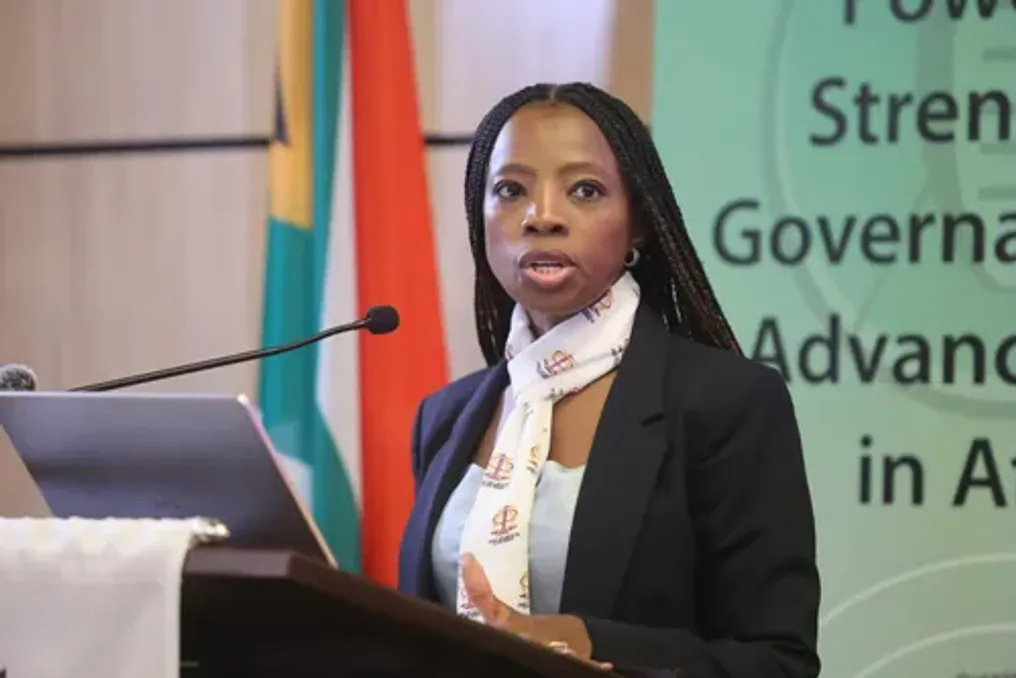
The Public Protector's advocate, Kholeka Gcaleka, published a Section 7(9) notice on Tuesday detailing the identified systemic shortcomings in the administration, management, funding, coordination, and oversight of student financial aid.
The 5.1 billion rand figure stems from an investigation by the Special Investigating Unit (SIU) under Proclamation R88 of 2022, the results of which were submitted to the Parliamentary Portfolio Committee on Public Accounts.
The Public Protector stated that the SIU investigation established that more than 40,000 students were misfunded in 76 higher education institutions, with the amount due for reimbursement exceeding 2 billion rand.
Gcaleka noted that these findings, alongside complaints received in her office, stakeholder engagement, and other oversight outcomes, strengthen the view of 'prima facie evidence of probable systemic mismanagement' requiring investigation.
The investigation covered NSFAS, the Department of Higher Education and Training (DHET), higher education institutions, and other key sector participants.
Gcaleka explained that the investigation began after receiving complaints regarding administrative deficiencies at NSFAS that impede students' access to financial aid and, consequently, higher education.
In reviewing these complaints, her office identified broader problems across the entire higher education sector. These included, among others, insufficient provision of funds for needy students, inefficiency and improper management of existing funding mechanisms, student accommodation issues, funding criteria, and delays in benefit payments.
The Public Protector emphasized that these issues are not isolated incidents affecting individual students or institutions but reflect recurring patterns of administrative failure within the sector.