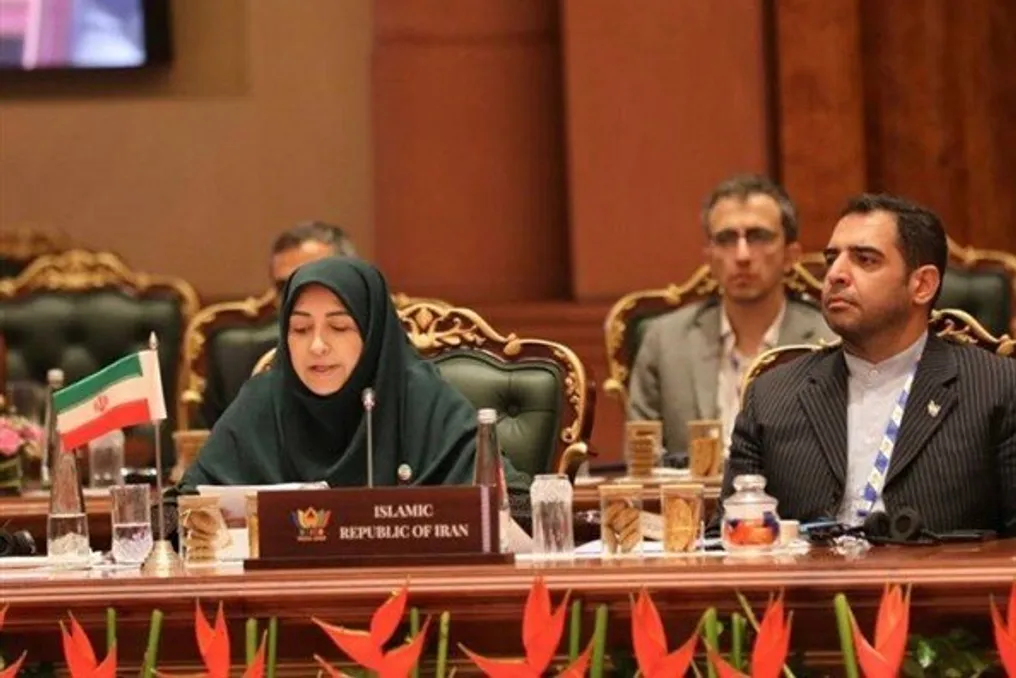
Shina Ansari, head of the Environmental Department, called for closer cooperation among BRICS member states. She described the combined potential of the countries in natural resources, biodiversity, coastal and marine ecosystems, as well as other ecologically valuable territories, as a 'historical opportunity' to address the growing global environmental crisis.
Speaking at the 12th BRICS Environment Ministers Meeting in New Delhi on Tuesday, Ansari proposed including environmental security among priorities alongside energy and food security. She also advocated for the creation of a BRICS network to monitor and assess environmental damage caused by armed conflicts and climate change, as well as for developing a rapid response mechanism for marine pollution and hazardous substance spills. Furthermore, she suggested expanding technology and experience exchange for restoring damaged ecosystems.
Ansari also insisted on strengthening interaction between BRICS countries and specialized international organizations to counteract the environmental consequences of crises and hold those responsible for environmental destruction accountable, based on the 'polluter pays' principle. Moreover, she proposed initiating discussions on establishing a common BRICS framework structure for environmental protection during military operations.
Emphasizing the direct link between the world, security, and environmental protection, she called for a joint mechanism among BRICS members to monitor and respond to damage caused by military conflicts and climate crises. Ansari stated: 'Environmental protection is not just a theoretical issue; it is directly linked to the peace and security of nations and peoples.'
She mentioned that on February 28, 2026, the Islamic Republic of Iran was subjected to large-scale, illegal, and uncivilized military aggression by the United States and the Zionist regime. This aggression, in addition to the martyrdom of the Supreme Leader and innocent people, especially children of the Minab school, as well as extensive damage to civilian and non-military infrastructure, led to significant environmental consequences and risks that concern the entire world.
Ansari noted that 'energy facilities, industrial infrastructure, and other vital installations during war are not just buildings and equipment; they are part of an interconnected system whose destruction can lead to the release of pollutants, chemicals, fuel, and other hazardous substances into the air, soil, and water, simultaneously exacerbating the consequences of natural phenomena such as global warming and dust storms.'
From this perspective, the environment is a silent victim of war—a victim whose consequences are not limited to the borders of Iran, she stressed.