
Indian Pilots Union calls on DGCA to increase random drug testing frequency to 25%
Read more
Business Standard
business-standard.com

Indian Pilots Union calls on DGCA to increase random drug testing frequency to 25%

The Federation of Indian Pilots (FIP) has called on the Directorate General of Civil Aviation (DGCA) to raise the percentage of random drug testing for pilots. The organization believes that the current minimum coverage level of 10 percent annually is insufficient to meet the needs of India's rapidly growing aviation sector.

The pilots' association proposed conducting random testing on at least 25 percent of pilots annually, while allowing retesting of the same individual. According to existing DGCA rules, commercial flight operators and air traffic service providers are required to conduct such testing for at least 10 percent of their staff annually.

In a letter dated August 17, 2026, FIP emphasized that for pilots whose lives depend on passengers and crew, testing for psychoactive substances must be frequent, truly random, and unpredictable to ensure constant safety and effective deterrence.

FIP also strongly recommends that DGCA consider increasing the current minimum annual random testing coverage from 10 percent to at least 25 percent of pilots, allowing for retesting and implementing a risk-based testing mechanism where objectively justified.

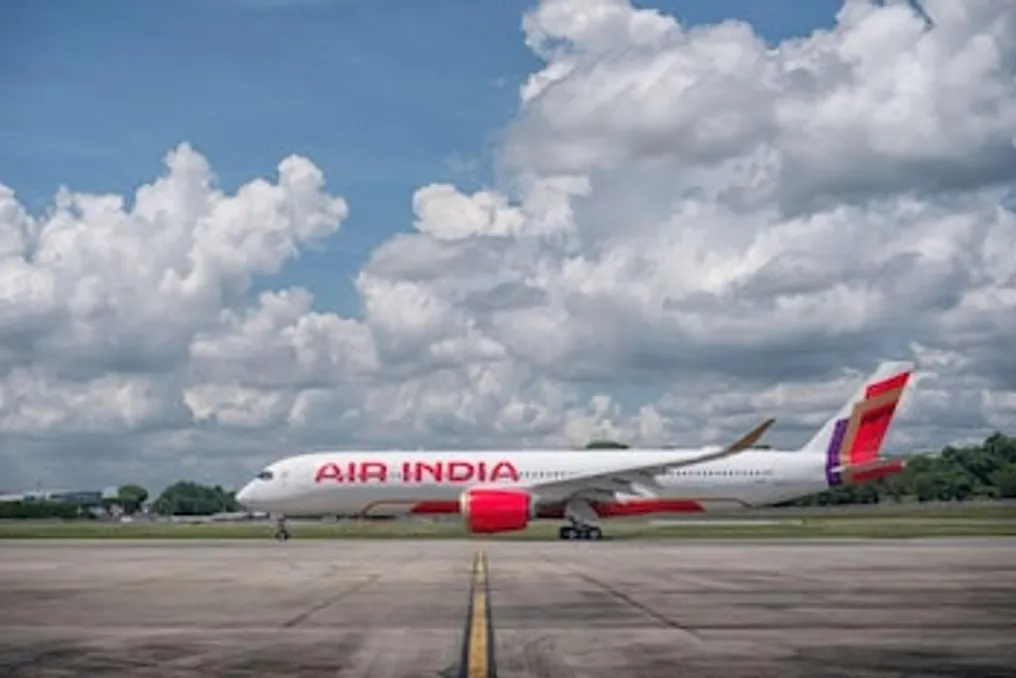
This appeal by FIP followed an incident on August 4 when an Air India AI2379 flight from Phuket to Delhi suddenly lost about 300 feet of altitude, resulting in injuries to 24 people. The captain of this flight subsequently tested positive for marijuana, after which Air India initiated mandatory testing for all pilots. Currently, two pilots have failed this mandatory check.

Furthermore, FIP requested the regulator to introduce urine-based testing alongside the existing urine-based system. In FIP's view, this additional method could speed up and simplify random checks at airports, allowing the regulator and airlines to test more pilots without significant disruption to flight operations.

In its submission, FIP indicated that saliva testing should complement, not replace, urine testing. It is proposed that saliva testing be used for selective, targeted, and large-scale screening, while retaining urine testing in cases where a longer detection window or other medical and regulatory requirements make it more appropriate.

The Federation stated that although the existing urine testing system has an established regulatory and laboratory base, the growing scale of aviation operations in India requires consideration of additional testing methodologies that can increase throughput, reduce operational disruptions, and facilitate rapid testing at airports and other workplaces.

FIP proposed a 12-month pilot program to verify the reliability of saliva testing combined with urine testing in Indian aviation. This study would need to examine test accuracy, sample collection time, crew downtime, testing throughput, laboratory confirmation, chain of custody requirements, and the overall cost of the testing program.

The pilots' association also noted that finding a substance in a test should not automatically be considered proof of pilot incapacity. A negative screening result must be supported by confirmatory laboratory analysis and a medical review before any final regulatory or employment decision is made.

Separately, FIP called for the launch of a 'Check Before You Take' program to educate pilots about prescription and over-the-counter medications, herbal remedies, supplements, and alcoholic medicines. It insisted that pilots have confidential access to aviation medical specialists who could advise them on whether a medication might affect their fitness to fly or cause issues during drug testing.

Additionally, the federation recommended mandatory initial and periodic awareness programs for pilots, as well as medication counseling systems and digital safety guides that airlines could provide to their crews.
Similar stories

Federation of Indian Pilots requests increase in drug testing frequency among pilots to 25%
Read more
timesofindia.indiatimes.com

Federation of Indian Pilots requests increase in drug testing frequency among pilots to 25%

The Federation of Indian Pilots (FIP) has appealed to the chief official of the Directorate General of Civil Aviation (DGCA) to change the current requirement for operators. Currently, operators are obliged to conduct drug testing for at least 10 percent of pilots annually, but FIP insists on increasing this figure to 25 percent.

FIP has identified several medications that could potentially affect flight safety by causing drowsiness or sedation, impairing decision-making ability or reaction speed, reducing alertness, and leading to a positive or negative drug test result.

The President of FIP, Captain CS Randhawa, sent an email to the DGCA chief official, Viru Vikram Yadav. He emphasized that all stakeholders must create an awareness program for pilots regarding psychoactive substances and medications. The goal of this program is to ensure that every pilot understands that certain prescription, over-the-counter (OTC) drugs, herbal preparations, supplements, and other common products may contain substances capable of affecting performance, productivity, or yielding a positive drug or alcohol test result.

Such potentially dangerous substances include antihistamines and anti-allergic drugs, which can cause severe sedation and reduced alertness; sleeping pills and tranquilizers; strong painkillers; prescription psychiatric or neurological drugs; as well as herbal and traditional medicines, supplements, performance enhancers, and alcoholic beverages.

FIP recommended implementing a 'test before taking' principle for pilots, warning them not to start taking a new medication without checking it for such substances. Furthermore, according to the FIP president, the goal should not merely be achieving an annual numerical target, but establishing a testing regime whose reliability is maintained throughout the entire year.

Air India introduces mandatory drug testing for pilots following Phuket-Delhi incident
Read more
business-standard.com

Air India introduces mandatory drug testing for pilots following Phuket-Delhi incident

Following an incident that occurred on August 4 between Phuket and Delhi, the airline Air India has made drug testing mandatory for its pilots. This decision was made after the aircraft commander tested positive for marijuana during a confirmatory test.

Previously, the airline conducted random testing among pilots and other aviation personnel in accordance with directives from the Directorate General of Civil Aviation (DGCA). Now, according to sources at Business Standard, the new requirement for mandatory testing came into effect on Thursday.

The commander of flight AI2379, who experienced a sudden altitude loss of about 300 feet while flying from Phuket to Delhi on August 4, initially showed a 'negative' result in a preliminary screening test for marijuana. The subsequent confirmatory analysis also proved positive.

As a result of this incident, 24 people were injured: 20 passengers and four crew members. The Airbus A320 on board carried 137 passengers, including three infants, and eight crew members. The aircraft subsequently landed safely in Delhi.

Both pilots were removed from the roster of piloting crews following a mandatory post-flight interrogation. The Aircraft Accident Investigation Bureau (AAIB) is investigating this case, which is classified as a 'serious incident'. Airbus and the French Bureau of Enquiry and Analysis for Civil Aviation Safety (BEA) are also participating in the investigation.

According to DGCA Civil Aviation Requirements (CARs) regulating drug testing, serving personnel are selected for testing randomly. However, a first confirmed positive test does not automatically lead to the cancellation or suspension of a pilot's license. Instead, the pilot is directed to a detoxification or rehabilitation program and can only return to flying after completing the program, passing another urine test, and obtaining fresh medical clearance.

The CAR prescribes progressively stricter consequences for repeat offenses. In the event of a second confirmed violation, a three-year license suspension is possible, and a third instance could lead to revocation.

Nevertheless, it has been reported that Air India's internal rules are stricter than the minimum regulatory requirements set by the DGCA. Sources indicated that the airline may take disciplinary action against the Phuket-Delhi flight pilot based on the results of its internal investigation, considering the seriousness of the August 4 incident and the injuries sustained by passengers and crew.

Meanwhile, the AAIB cautions against drawing hasty conclusions based on incomplete or unverified information while the investigation is ongoing. The bureau stated that records, testimonies, medical information, and other materials collected during the inquiry are protected and confidential under the current investigation system.

In light of the crash of flight AI171 last June, which claimed 260 lives, there is increased scrutiny over Air India's safety standards. The Phuket-Delhi incident has heightened concerns regarding passenger trust in the airline.

The outgoing CEO of Air India, Campbell Wilson, was summoned to the Ministry of Civil Aviation on Tuesday to brief senior officials on the incident. He also met with ministry and DGCA officials, who requested him to conduct briefings for various airline departments on the matter.

Popular