
Study shows that rock climbing in the third trimester does not increase the risk of pregnancy complications
Read more
N+1
nplus1.ru

Study shows that rock climbing in the third trimester does not increase the risk of pregnancy complications

A cross-sectional study on the health status of female rock climbers found that engaging in mountaineering during the third trimester of pregnancy is not correlated with an increased likelihood of complications reported by the participants themselves.

Despite most participating women expressing concerns about continuing rock climbing during pregnancy, 96 percent of them were 'satisfied' or 'very satisfied' that they could continue their hobby.

In women who decided not to give up their passion, there was an improvement or maintenance of their mental and emotional state. The results of this study were published in the journal Sports Medicine.
Similar stories

GP-1 Agonist Use Did Not Enhance Weight Loss in Patients After Gastric Reduction Surgery
Read more
nplus1.ru

GP-1 Agonist Use Did Not Enhance Weight Loss in Patients After Gastric Reduction Surgery

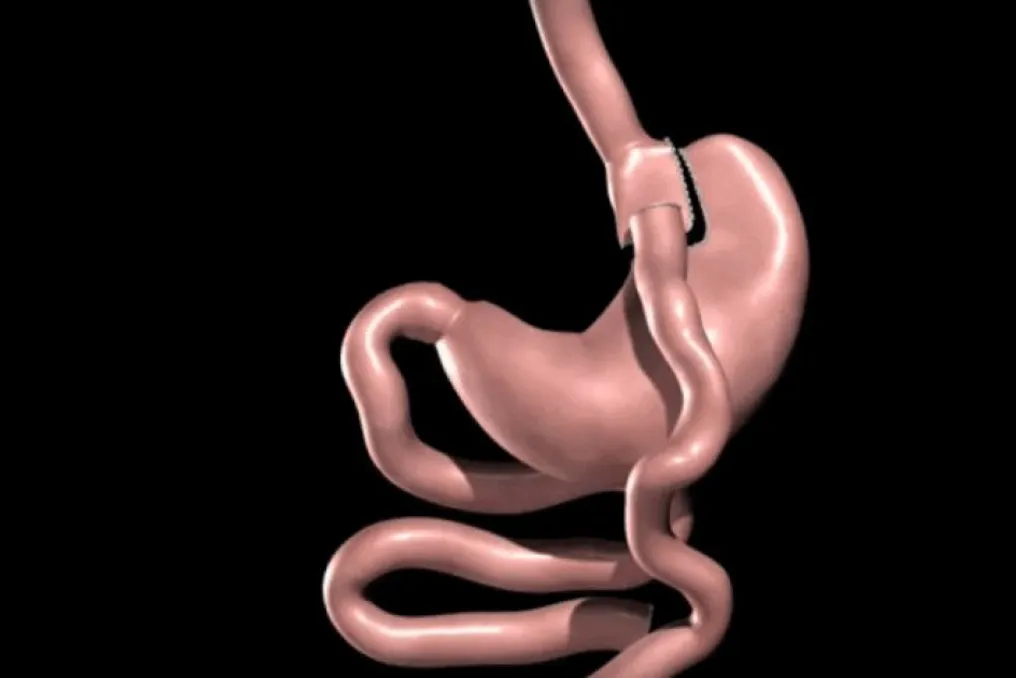
Researchers from the University of California, San Francisco, including Jonathan Carter, studied data from patients who underwent gastric reduction surgery. They found that prior use of glucagon-like peptide-1 (GLP-1) receptor agonists did not affect the degree of weight loss after the surgical intervention.

The study included 383 individuals with an average age of 44 years, and 80 percent of the participants were women. The surgeries were performed at a single clinical center between 2022 and 2024.

Of the total number of patients, 24 percent were taking GLP-1 agonists before the operation. After the intervention, they were advised to stop taking these medications to rule out the risk of vomiting. The results of the analysis were published in the scientific journal JAMA Surgery.

Study shows that type of anesthesia does not affect survival after major extracorporeal operations
Read more
nplus1.ru

Study shows that type of anesthesia does not affect survival after major extracorporeal operations

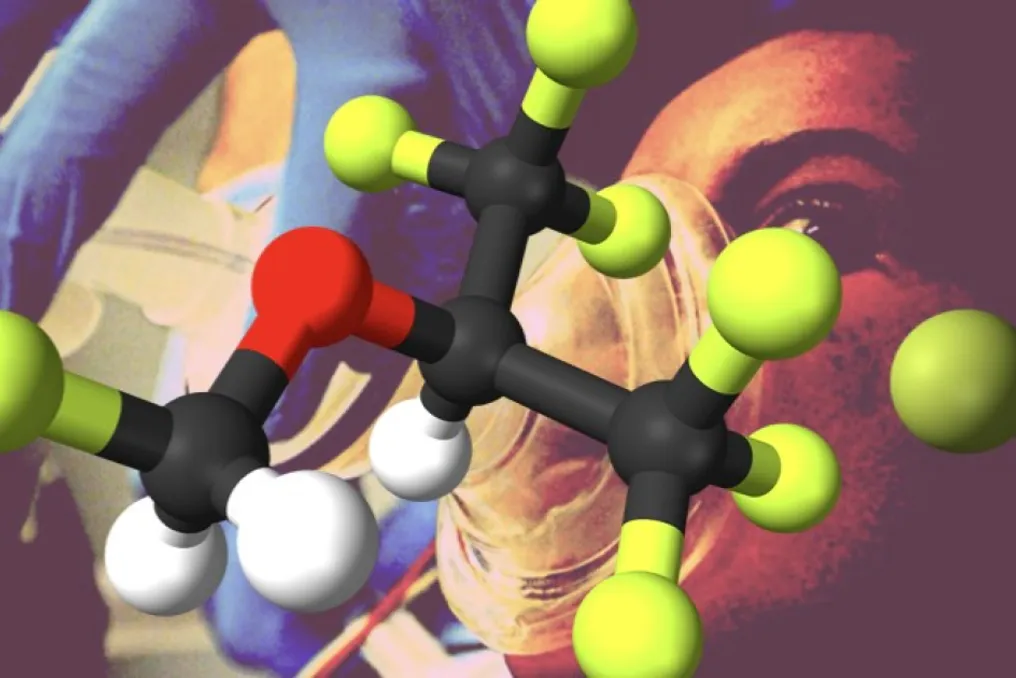
A randomized clinical trial conducted by British scientists demonstrated that patient survival after large-scale extracorporeal surgical interventions does not depend on the chosen anesthesia method—whether it is total intravenous or inhaled anesthesia.

According to the study data, the average lifespan of patients who were out of the hospital during the first month after the operation was 22.5 days when using intravenous anesthesia and 22.4 days when using inhaled anesthesia.

The results of this scientific investigation were officially published in The Journal of the American Medical Association.

Popular