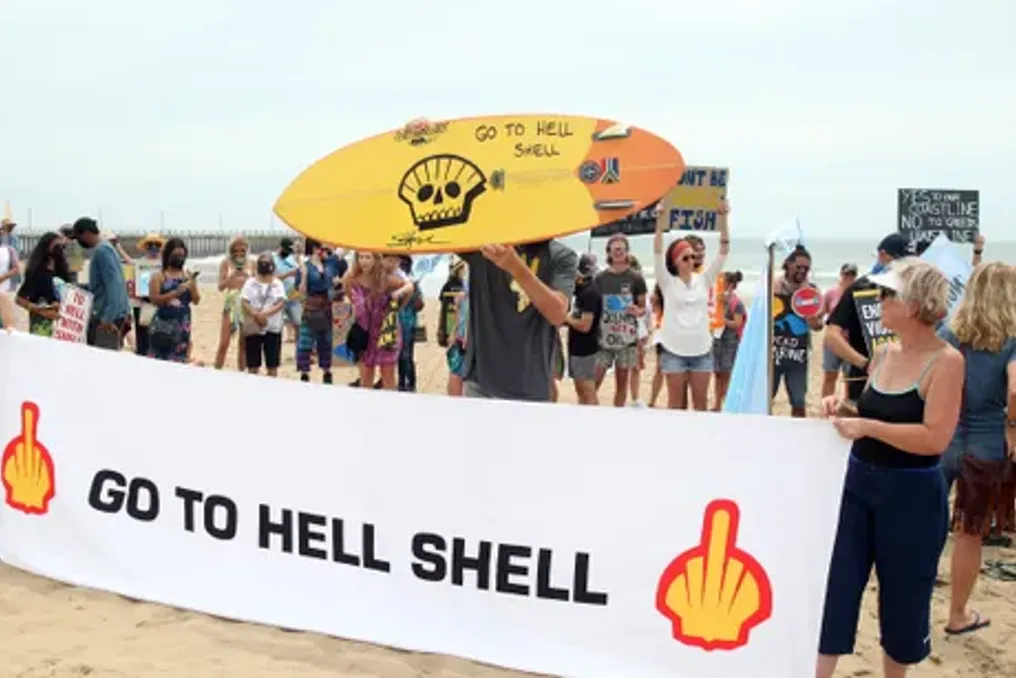
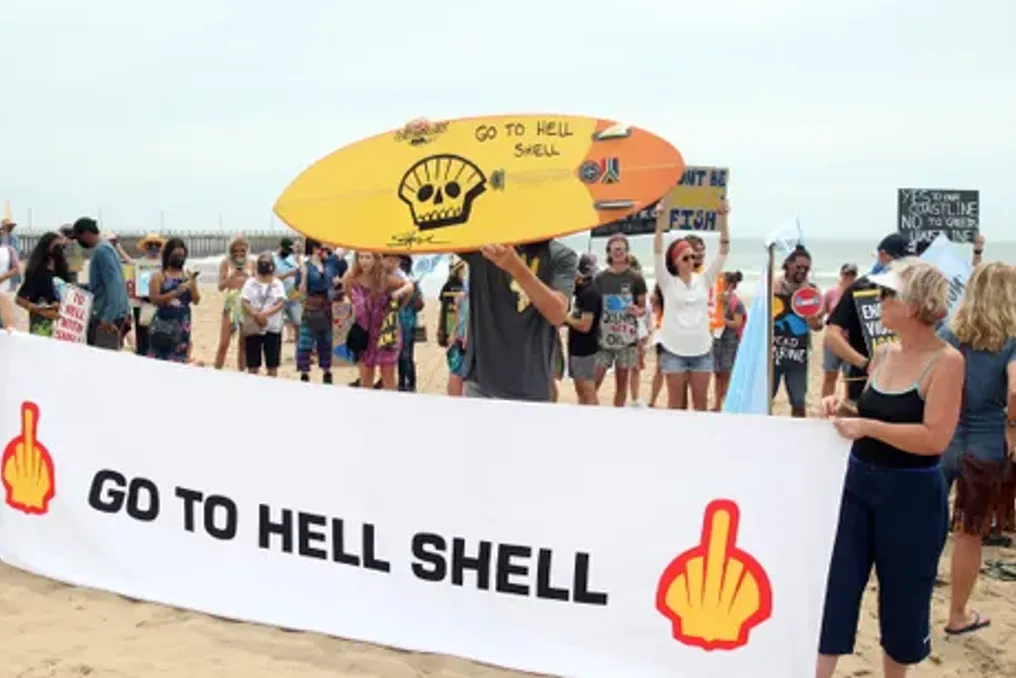
Shell's plan to search for oil and gas off the Wild Coast has become unviable after the Constitutional Court annulled the right to explore on Friday.
This ruling overturns the Supreme Court of Appeal's 2024 decision, which had previously upheld the right to explore. That decision allowed the Department of Mineral Resources to retain the project by conducting proper public consultations with the Wild Coast communities, which had not been conducted initially.
The company Impact Africa obtained this right in 2014, and seven years later brought in Shell under a half-share agreement. Both companies have spent about 1.1 billion rands on this project.
Initially, the project was cancelled by the High Court of Makhanda in 2022, which found that the communities had never been properly informed about what the seismic survey off their coast would entail.
Friday's ruling reinstated this decision, annulling the 2014 decision that granted the right, as well as two subsequent extensions.
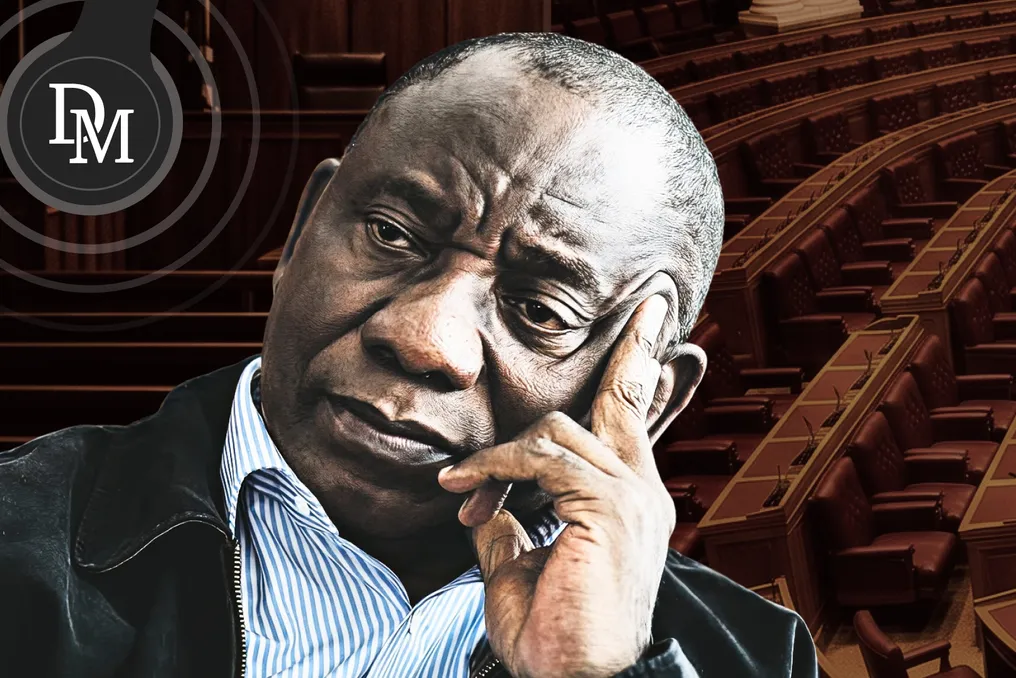
Seven of the nine judges supported the majority opinion written by Judge Jody Collapen, with the agreement of Chief Justice Mandisa Maiya, Judges Matopo, Mkhlantla, Teron, and Chshiki, and Acting Judge Musi.
The Court ruled that conducting consultations with the communities now, more than a decade later, and subsequently making a decision would not remedy the violations. The Court emphasized: 'Consultation is not just an opportunity to express an opinion or influence the outcome.' It continued: 'At a more fundamental level, regardless of whether the product of consultation will have any impact, it is a process that affirms human dignity by giving a seat at the table to those whose lives and livelihoods may be affected by decisions.'
The Court added that notifying the communities about the possibility of consultation more than ten years later would not heal their right to dignity, but merely indicate to them that the violation of their rights was a procedural, not substantive, issue.
This step would also have allowed the companies to bypass a government moratorium currently blocking new exploration rights along the entire South African coast. The Court noted: 'It would also have provided the respondent company with an unexpected advantage, allowing them another three extensions if a decision were made to grant the exploration right.'
It concluded that this would have had an anomalous result, providing a tangible advantage to those who benefited from an illegal process and participated in it.
The Court deemed the initial application fatally flawed, and Impact Africa 'contributed to the illegality of the decision in alarming ways.' The Court ruled that any other outcome 'would allow financial investments to outweigh serious constitutional violations and signal subservience of the rights of affected parties to commercial interests.'
The Wild Coast is a 250 km stretch of coastline in the Eastern Cape, which is a place of traditional fishing rights and spiritual practices for local communities.
Impact Africa applied for the right in 2013 and received it on April 29, 2014, and then extended it in 2017 and 2021, without conducting significant exploration during the first three-year period. The CEO signed the transfer of participation in the right to Shell for 50% in June 2021. In October of the same year, Shell notified the start of 3D seismic surveying along the coast. In December of the same year, a group including Sustaining the Wild Coast, All Rise Attorneys for Climate and Environmental Justice, members of the Umgungundlovu and Dvesa-Tsebe communities, Wild Coast fishermen, and Kei Mouth Fisheries obtained an injunction halting this.
Natural Justice and Greenpeace later intervened. The High Court cancelled this right in September 2022 on three grounds: the affected parties were never properly informed about the content of the survey or did not have a real chance to respond; the minister ignored the damage to marine life, the spiritual and cultural rights of the communities, and climate change; and claims of job creation were unsubstantiated by data.
The Court of Appeal agreed that the right was granted illegally but stayed the cancellation to allow the minister to consider an application for a third extension with an additional round of public participation to rectify the shortcomings. The communities appealed this ruling to the Constitutional Court, which heard arguments last September and concluded that the extension process did not provide for the type of consultation envisioned by the Court of Appeal.
In disagreement, Judge Owen Rogers, with the agreement of Judge Savage, stated that there was no basis to interfere with the Court of Appeal's remedy, and this would preserve the possibility of a final three-year exploration period after proper consultation. Rogers acknowledged that the communities' right to consultation had been ignored, and their cultural, religious, and environmental concerns had not been adequately addressed, but argued that a fair remedy must consider all sides. According to him, the majority's ruling sent the application into an 'unacceptable grey area: presumably neither approved nor rejected, but effectively incapable of ever being approved.'