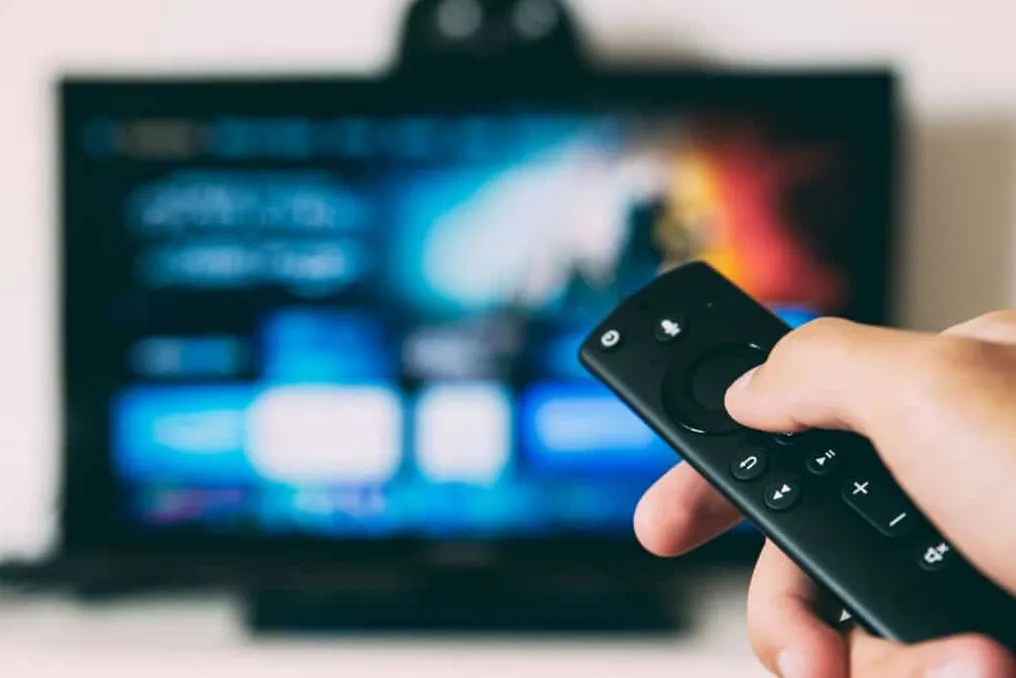
It has become progressively more complicated to find a television that functions only by displaying images, without depending on applications, an operating system, or an internet connection. Models known as 'dumb TVs,' meaning non-smart televisions, have almost disappeared from traditional commerce, being replaced by the standard set by smart models.
This transition is not solely due to consumer desire for more features; the software itself has opened new avenues for revenue generation for manufacturers.
More details about the change in the market
A crucial factor lies in the business model of contemporary televisions. In addition to the initial sale of the device, manufacturers can generate new sources of income through smart TV platforms after the product reaches the buyer's home.
The embedded systems in smart TVs enable the offering of streaming services, advertising, and various other content directly on the device's main screen. Thus, the platforms can expand revenue streams related to the television even after the sale is completed.
This operating model helps clarify that the phenomenon transcends a mere technological advance, also constituting a market opportunity. A device that only receives a video signal does not provide the same financial possibilities as a connected platform.
Additionally, there is a matter of market demand. With the growing presence of streaming services and other digital content in daily life, features such as Wi-Fi, applications, and proprietary interfaces have ceased to be considered differentiators and have become basic consumer expectations.
For this reason, a television devoid of a smart system has become a niche item. Although options exist, they are significantly less frequent than in the past.
Conclusion on market perception
In summary, the fundamental change lies in how the market has come to conceive of the television, both from the perspective of producers and consumers. What was once seen as an extra feature is now part of the essential configuration of the devices.
For corporations, incorporating an operating system and internet connectivity is now inherent to the product and its profit forecast. For the consumer, even one who only seeks a screen to physically connect other equipment, will probably end up purchasing a smart TV.
Although so-called 'dumb TVs' can still be found, they have lost relevance in the market scenario. It is therefore not just a variation in customer preference, but rather the consolidation of a new standard for the television sector.