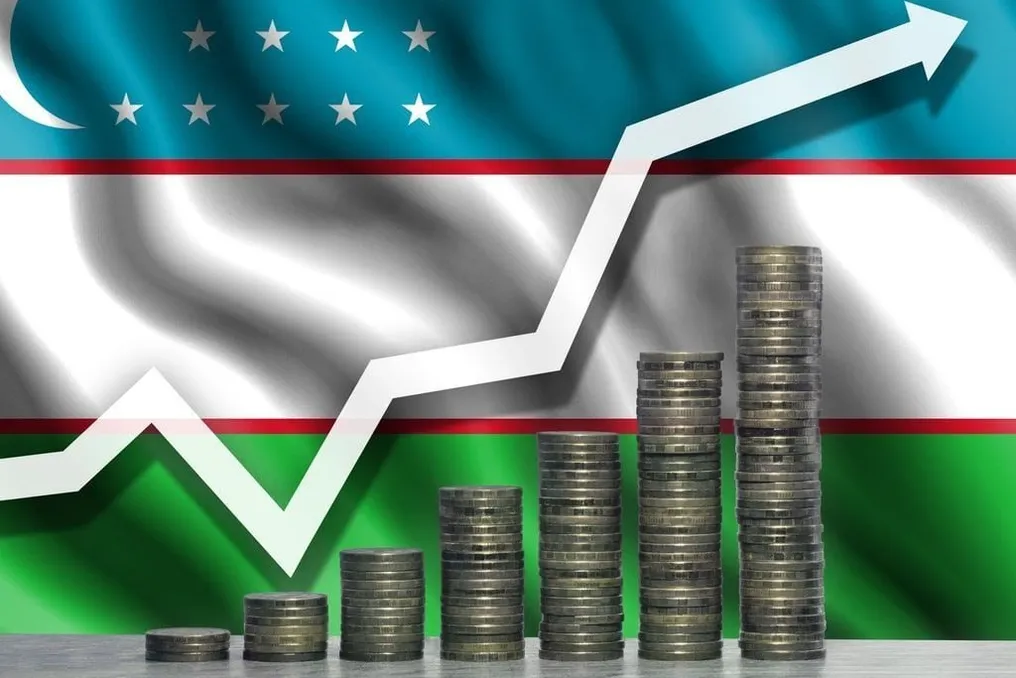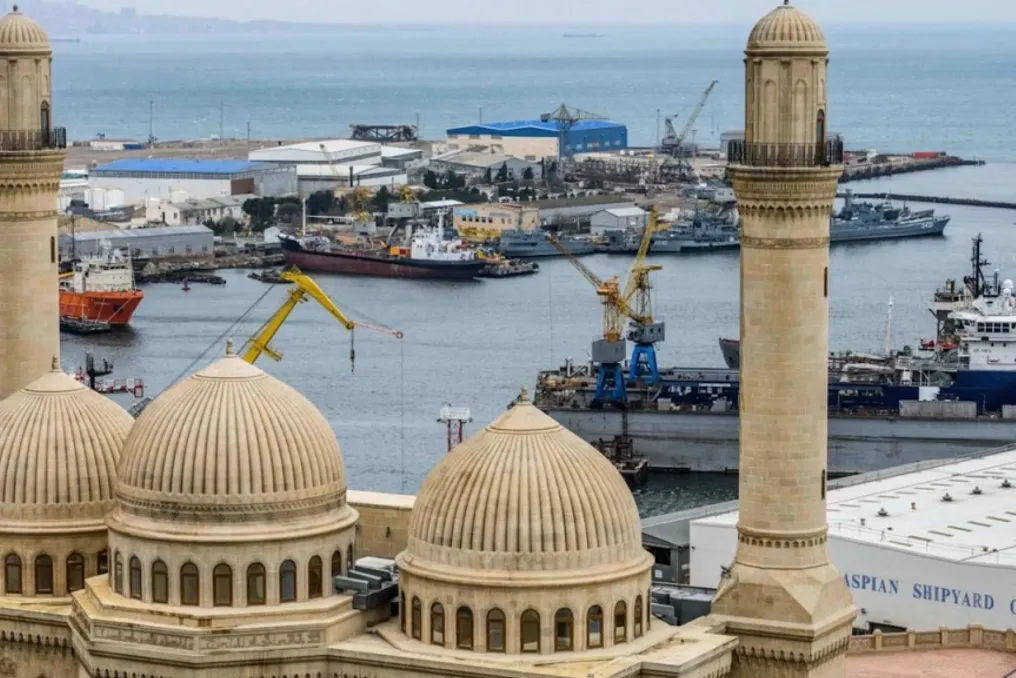
The Financial Times has included Uzbekistan in the group of new 'mini-middle powers' alongside Kazakhstan and Azerbaijan. These countries are increasing their regional influence due to their geographical location, the presence of trade routes, and their ability to engage with multiple global centers of power.
Carnegie Russia Eurasia Center expert Zaur Shiriyev defines 'mini-middle powers' as states that, while not shaping the global agenda, possess significant influence in specific strategic areas. Shiriyev presented this view in his article for the Financial Times.
According to the specialist, this group of countries avoids choosing between Russia, China, and Western powers; instead, they simultaneously develop partnerships with different sides. This multi-vector approach gives them greater freedom to make independent decisions and reduces the risk of excessive dependence on any single major state.
A key factor driving the growth of influence is the development of transport infrastructure. Kazakhstan and Azerbaijan are already actively involved in the functioning of the Middle Corridor, which connects Asia and Europe bypassing Russia. Uzbekistan is also gradually integrating into this route, opening up new opportunities for expanding foreign trade.
Another important area is the Caspian corridor of green energy. Azerbaijan, Kazakhstan, and Uzbekistan are working on creating infrastructure that will eventually ensure the transmission of renewable energy from Central Asia to Europe via Azerbaijan.
The article's author argues that it is incorrect to view Central Asia solely as an arena of confrontation between Russia, China, and the West. Uzbekistan, Kazakhstan, and Azerbaijan interact with Russia, China, Turkey, the European Union, and the United States, guided primarily by their economic and political interests.
The influence of these states, according to the expert, is determined not so much by their military or economic might as by control over critical resources, transport arteries, and diplomatic capabilities. Consequently, it is becoming increasingly difficult for major global actors to achieve their goals in the region without engaging with these countries.
For Uzbekistan, additional advantages include its population size and geographical location, which allow the country to simultaneously build trade and diplomatic ties with various centers of power and strengthen its status in Central Asia.
Previously, the President of Kyrgyzstan, Sadyr Japarov, announced that before the start of construction of the China—Kyrgyzstan—Uzbekistan railway, he personally visited Moscow to discuss the project with Vladimir Putin. According to the Kyrgyz leader, the Russian side supported the project after this meeting, allowing China to proceed with its implementation.