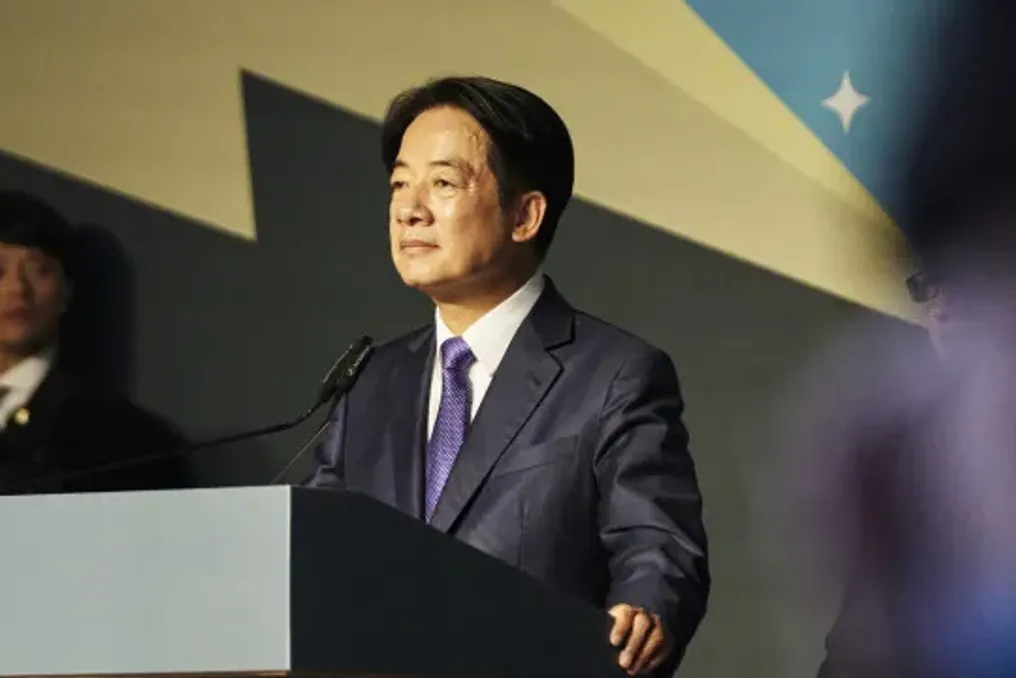
The head of state of Taiwan presented a proposal for universal aid amounting to 271 euros on Monday. This presentation followed a meeting regarding the central government's general budget for 2027, the details of which will be disclosed on Thursday and depend on the approval of the parliament, which is controlled by the opposition.
Lai specified that the project includes an expenditure increase of 235.7 billion New Taiwan Dollars (equivalent to 6.4 billion euros), aiming to distribute the benefit generated by artificial intelligence across the entire population. According to a Presidential statement, he emphasized that individuals and families have autonomy over how to use these 10 thousand New Taiwan Dollars, allowing them to allocate them to their children's education, elderly care, relief of family obligations, or stimulating consumption, thereby supporting local commerce and all professions.
The Taiwanese leader stressed that the 2027 budget will maintain a balance between revenues and expenditures without increasing public debt. Furthermore, a 11.05% expansion of the local economy was projected for 2026, which would represent the best performance recorded in 39 years.
Taiwan has been one of the countries most benefited by technological advancement, given that it hosts the headquarters of TSMC, the world's largest manufacturer of advanced semiconductors, and Foxconn, the leading producer of electronic products and AI servers. Exports of components and technological devices grew by more than 47% compared to the same period last year in the first half, contributing to Taiwan's Gross Domestic Product (GDP) growing by 13.7% in the same interval, marking the largest advance in almost five decades.
Previously, the island distributed an identical aid of 10 thousand New Taiwan Dollars in cash in 2025. This special budget was partly created to mitigate the effects of inflation and tariffs imposed by the United States. At that time, eligible recipients included Taiwanese citizens, permanent foreign residents, and foreign spouses of Taiwanese nationals with residency permits.
The two main opposition parties, the Kuomintang (KMT) and the Taiwan People's Party, which together hold a considerable legislative majority, criticized the government's proposal for presenting it shortly before the local elections on November 28. Chen I-hsin, director of the KMT's Committee on Culture and Communications, recalled that his party had already suggested a 10 thousand New Taiwan Dollar aid in May. At that time, the government responded that budgetary resources should be prioritized for national defense, infrastructure, and debt repayment, as reported by the Taiwanese agency CNA.
On Friday, Taiwan's parliament approved the central government's general budget for 2026, after an unusual delay of 266 days. This budget includes a drone program aimed at strengthening the island's defenses. The final authorized amount covers expenses of 2.98 trillion New Taiwan Dollars (80.5 billion euros), with 63.4 billion dollars (1.71 billion euros) reserved for the development and acquisition of equipment for the drone industry, in response to increasing military pressure from China.
Additionally, CNA reported on Sunday, citing unnamed sources, that the Taiwanese government plans to propose a 16% increase in Defense spending to 1.1 trillion New Taiwan Dollars (29.5 billion euros) in 2027.