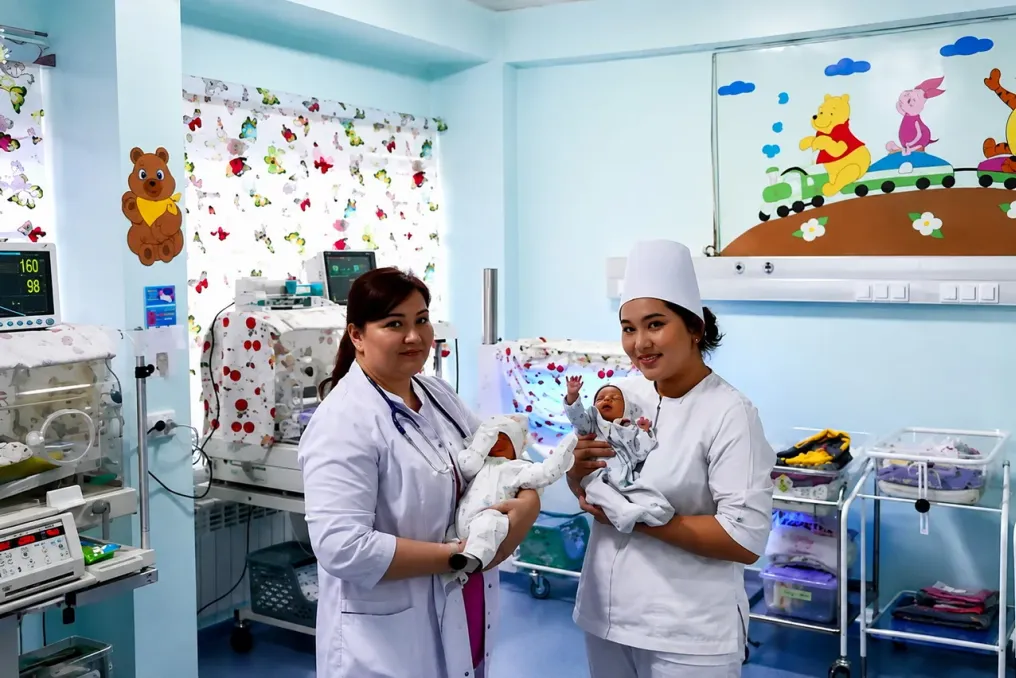
The National Statistical Committee reported that 373,389 live births were registered in Uzbekistan from January to June 2026. Among them, 29 children were born to fathers who were 70 years of age or older at the time of birth.
The National Statistical Committee reported that 373,389 live births were registered in Uzbekistan from January to June 2026. Among them, 29 children were born to fathers who were 70 years of age or older at the time of birth.
The largest share of live births during the six-month period was accounted for by men aged 25 to 39, who became fathers to 309,182 children. Men under 25 became fathers to 34,526 children, and men aged 40 to 59 became fathers to 29,403 children.
In total, men aged 60 and over became fathers to 278 children, including the 29 cases where the father was over 70 years old.
The organizer of the women's empowerment platform, The Wounded Lioness, Nobule Dumakude, plans to expand the gathering to other provinces. Her goal is to help women overcome years of systemic injustice and marginalization in various economic sectors.
At the fourth The Wounded Lioness event, women who have experienced violence, trauma, and other difficult circumstances will have the opportunity to confront their problems, restore self-confidence, and work towards achieving financial independence.
This event, founded by Nobule Dumakude, aims to provide women with a supportive environment where they can share experiences, receive consultations, and learn practical methods for coping with adversity.
Dumakude noted that the severe and painful situations women face, including violence, can lead to a loss of hope for a better life, forcing some to become dependent on others for income or commit wrongful acts.
This year's gathering will take place next month in Morningside, Durban, and information will be provided to confirmed participants.
Dumakude announced that a number of speakers have been invited to give women advice on overcoming violent and difficult situations, as well as helping them find opportunities for self-sufficiency.
Among this year's speakers are Tobile Makhamulo Mseleku from Uthando Nesthembu fame, Londive Kamasondo, Snotando Nkosi, motivational speaker Selo Mnkube, Reverend Ntvenle Zulu, and musicians Ayarkai and Jozakha.
Dumakude expected between 150 and 200 people to attend the event and expressed hope that it would be beneficial for the women attending the gathering, as it has been over the past three years.
The organizers decided to continue this initiative after receiving positive feedback from previous participants.
The main objective, according to Dumakude, is to help women heal from the pain they have experienced as a result of events in their lives, restore hope for a better future, and find strategies for achieving independence.
Nobule Dumakude stated that the long-term plan is to bring The Wounded Lioness to more communities across South Africa.
Previously, the event was held in Richards Bay and Empangeni before moving to Durban. Now, the organizers aim to expand the gathering beyond KwaZulu-Natal and reach women in other provinces.
The organizers believe that by creating spaces where women can openly discuss their experiences and receive guidance, they help participants move beyond established circumstances and discover new prospects in their lives.
A video recording caused shock on social media after an elderly Syrian shop owner was captured on video while harassing two young girls inside his store.
This footage provoked outrage among the Syrian community, as it showed an elderly man sexually harassing two underage girls who had entered his shop to make a purchase.
In the video, the old man was seen taking the girls and touching them inappropriately, after which he grabbed the older girl and forcibly kissed her. The girl, who was about seven years old, was shocked and pushed him away before a random passerby witnessed the incident and started shouting.
The nearly three-minute video material was filmed by a camera on August 16 at 13:14 local time in Syria. The location of the incident has not been established, but some local media indicated that it occurred in a shop in Al-Fu'a city, Idlib province.
Many activists on social media condemned this act and called on the police and Syrian authorities to arrest the elderly man and hold him accountable for sexual harassment of a minor.
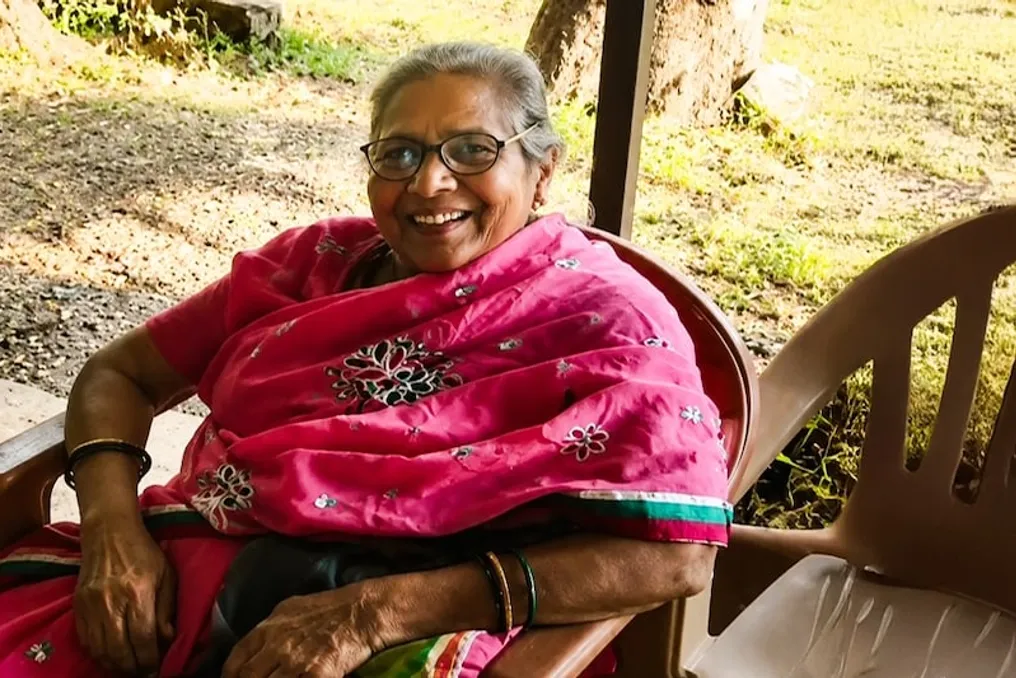
A heartbreaking story unfolded in Indore that shocked local residents. An eighty-five-year-old woman spent over four and a half years in a nursing home awaiting the return of her son, who had promised to be back in just two days. However, the son never appeared, even after his mother's death.
Eighty-five-year-old Sarita Narayane entrusted her son to an Indore homeless shelter in January 2022. He informed the shelter administration that he had an appointment and promised to return in two days to take his mother home. This information gave Sarita hope.
But two days turned into months, and then almost four and a half years. The shelter administration reported that Sarita often spoke about her son, expressing a desire to see him and go home. As she aged, her health began to decline, and her eyesight weakened. The shelter, with the support of donors, provided her with glasses and medical care.
Despite the shelter's care, her son never showed interest in his mother's condition. It later emerged that he had disconnected his mobile number and moved to another place. Attempts by the shelter to contact him were unsuccessful. Then came a day no one expected: on August 10, Sarita Narayane passed away.
The shelter administration notified her son of his mother's death, but he did not respond again. The shelter waited for him for three days before finally conducting the funeral, giving her the respect due to one's own mother.
According to the shelter administration, the son sold his mother's house and subsequently ceased all communication with her. It was in this house, where the mother lived her life for her son, that she continued to wait for his return while in the nursing home.
The founder of the homeless shelter, Yash Parashar, noted that Sarita lived in anticipation of her son's arrival. He emphasized that the shelter provided her with care to the best of its ability, including treatment and provision of glasses.
Sarita's story is not just a tale of an elderly woman's death; it is a narrative of a mother who believed in her son until her last breath. He promised to return in two days, but her life passed in waiting for four and a half years. When she passed away, the son never showed up. It raises the question: should the fate of a mother who gave her life to her son have ended only in waiting and loneliness?