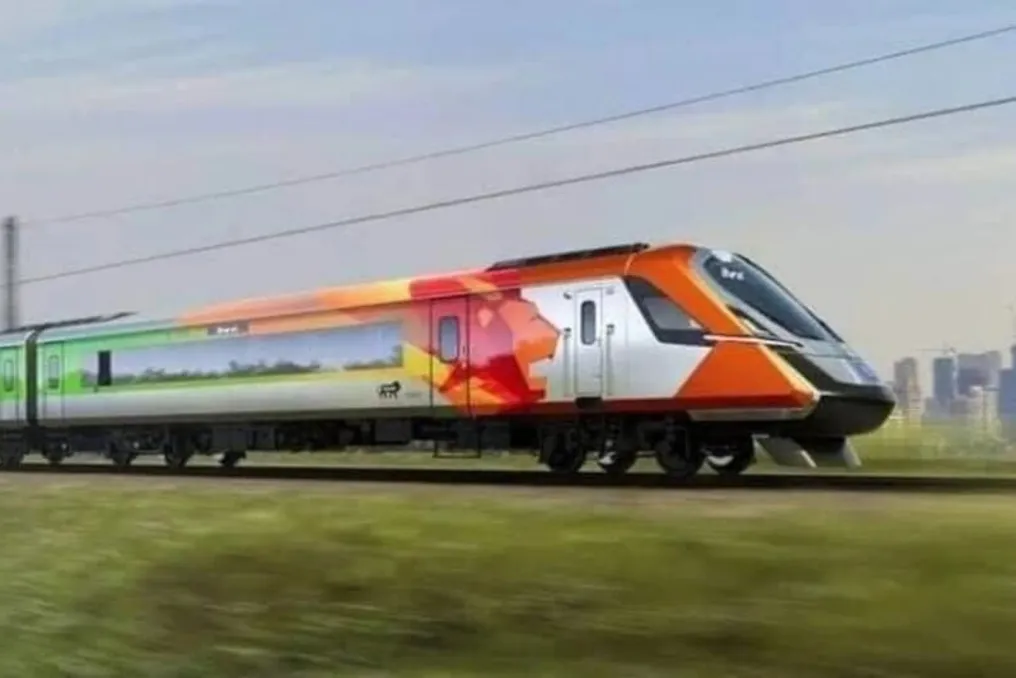
The demand for premium railway transport in the country is growing, and Vande Bharat trains play a significant role in meeting this demand. To strengthen long-distance connectivity, Indian Railways launched the Vande Bharat Sleeper service in January of this year, which makes a distinct impression on passengers.
Recently, one travel blogger shared his experience traveling on this train on social media, and his video went viral. A report by Business Today mentions the experience shared by travel blogger Sainyan Saivan.
In his review on Instagram, Sainyan noted that 'it did not feel like a train atmosphere.' He emphasized that the interior of the Vande Bharat Sleeper is so luxurious and modern that it resembles an airline or a hotel rather than a traditional railway carriage.
One of the strongest aspects highlighted by Sainyan in the review was the cleanliness of the train. He highly praised the sanitary condition, noting that the toilets significantly surpass the quality of ordinary railway restrooms.
Furthermore, the blogger complimented the food service. He mentioned that the personnel serving the meals were wearing gloves and head coverings, which contributes to raising the level of hygiene and service quality on the train.
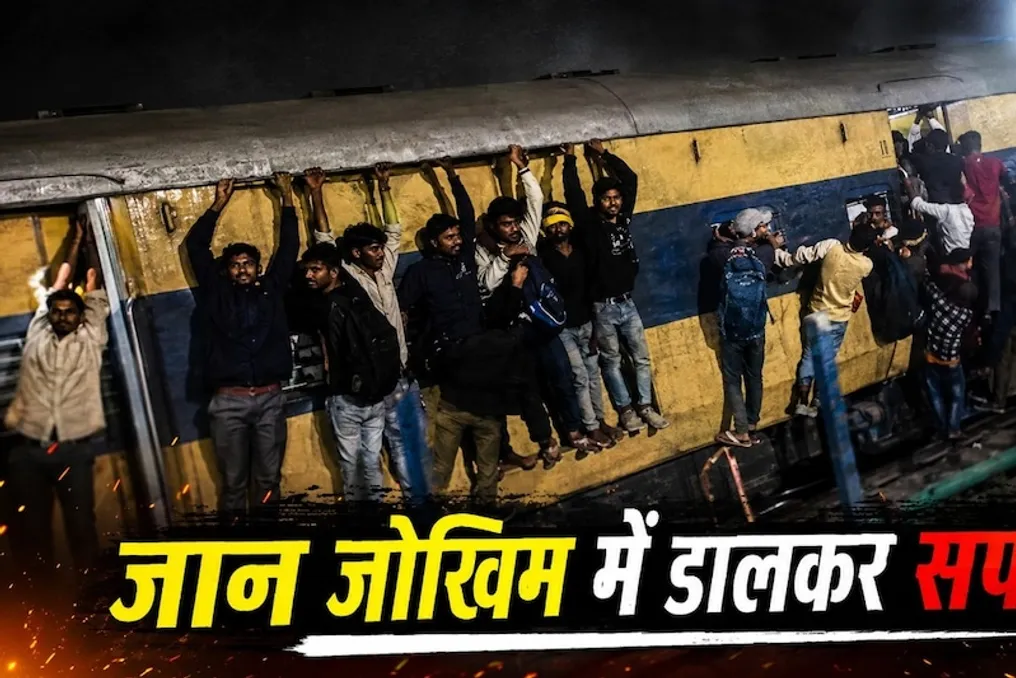
In his video, the blogger demonstrated how the Vande Bharat Sleeper is designed to provide a higher level of comfort through its modern interior and advanced passenger features. Unlike ordinary Indian trains, where blue berths, metal elements, curtains, and crowded aisles are often found, the Vande Bharat Sleeper presents a completely different look.
Currently, 162 Vande Bharat services operate in the country, and high demand is stimulating the development of Vande Bharat programs in India. In January 2026, Vande Bharat Sleeper accommodated 1.21 lakh passengers in the first three months, while maintaining a load factor above 100%.
It should be noted that the first Vande Bharat Sleeper train was launched between Howrah and Guwahati. This train consists of 16 coaches, including one air-conditioned first-class coach, four air-conditioned second-class coaches, and 11 air-conditioned third-class coaches. The total capacity of the train is about 823 passengers. The train is equipped with automatic doors, emergency communication systems, and the Kavach safety technology.