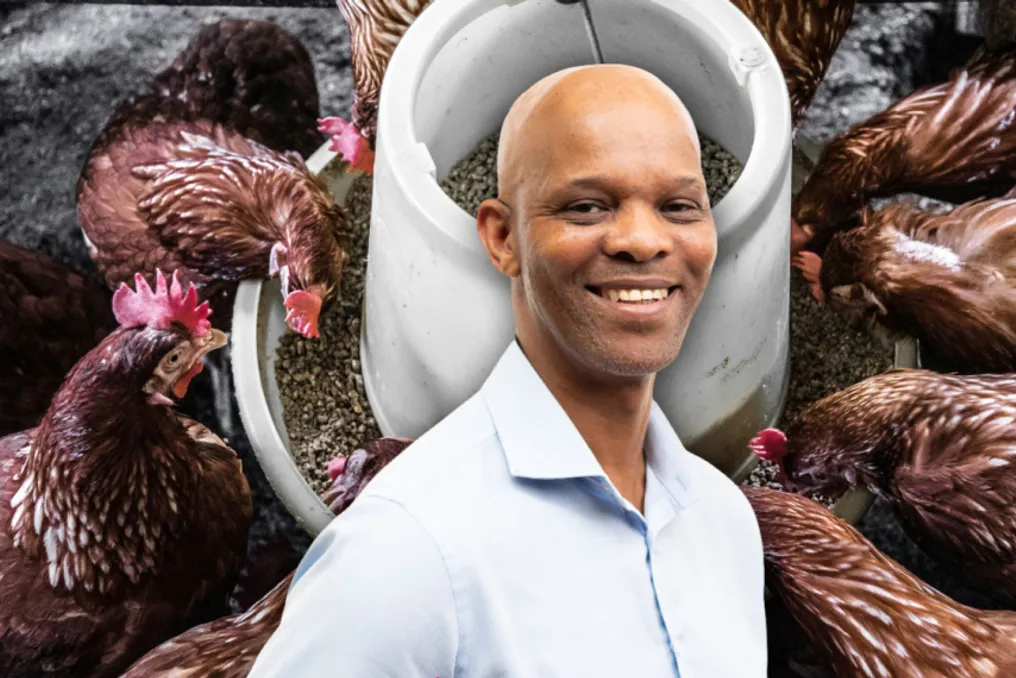
True community sustainability begins with economic opportunities rooted directly in local areas. Mbusi Dlamini from Rainbow Chicken emphasizes how agriculture, particularly the poultry industry, stimulates growth far beyond the farm.
True community sustainability begins with economic opportunities rooted directly in local areas. Mbusi Dlamini from Rainbow Chicken emphasizes how agriculture, particularly the poultry industry, stimulates growth far beyond the farm.
The long-term viability of any community depends not only on the presence of developed infrastructure or reliable public services. It is determined by the ability of residents to generate stable economic opportunities. It is worth challenging the assumption that a 'developed' community is defined by the services its inhabitants receive; true self-sufficiency is built on the community's ability to create and utilize for social and economic value. Agriculture remains an industry capable of creating value at virtually every stage of its operations.
This value starts with empowering farmers but is not limited to them. In the poultry industry alone, every chicken produced relies on an extensive network of skilled and innovative farmers, grain producers, truck drivers, processors, retailers, and countless small businesses. Together, they create economic opportunities that remain within rural communities rather than going elsewhere.
Too often we view agriculture only in terms of products reaching supermarket shelves, forgetting the diversity of this industry. Evidence of this is the fact that 80% of global food is produced by family farms in rural areas. These producers are the foundation of our global food systems, as well as the economic engine supporting many rural communities.
For many rural households in South Africa, agriculture initially serves as a means of food security. A small plot of land or a few types of livestock can reduce dependence on purchased goods, increase household resilience, and give families greater control over their own food security.
However, the contribution of the agricultural sector in South Africa to community sustainability does not end with small farming. Further potential lies in ensuring that those with ambition and the potential to expand their activities can do so.
With access to markets, finance, training, and infrastructure, small and subsistence farming can transform into viable enterprises generating household income and creating jobs for neighbors. This is already happening on a large scale: according to the latest commercial agriculture census by Statistics South Africa, agricultural SMEs account for 50.6% of the workforce in South African agriculture.
As agricultural enterprises grow, so does their contribution to the broader economy. The poultry sector illustrates this well. In addition to contributing over 74 billion rand to the gross value added of South African agriculture, it supports an extensive value chain that creates jobs in areas where alternative opportunities are limited.
Maintaining the availability of poultry depends on the efficient functioning of this value chain—from grain cultivation and feed production to breeding, logistics, processing facilities, and retail distribution. This is important because poultry is the most consumed and most accessible animal protein in South Africa.
The interconnectedness of this ecosystem also contributes to resilience. Communities become resilient because the poultry value chain creates not one, but hundreds of economic opportunities.
Every additional job, supplier, or business supported by the sector strengthens the local economy and reduces dependence on a single source of income or external support. In turn, surrounding communities become more self-sufficient as income, employment, and entrepreneurship are generated throughout the entire ecosystem, rather than being concentrated in one place.
This is why rural development is not just about attracting new industries to rural areas. It is also about unlocking more value from industries that are already deeply rooted in these communities. When existing agricultural value chains grow, so do the opportunities they provide to local businesses, workers, and suppliers.
Thus, agriculture should be viewed as more than just a sector producing food and supporting food security. It is one of the most effective engines for creating opportunities for households, small businesses, and commercial value chains in South Africa. If we are serious about sustainable rural development, strengthening agriculture is not just part of the solution; it is the beginning of the solution.
The South African agricultural sector is entering a period of consolidation as falling commodity prices, rising production costs, and limited consumer demand are expected to put pressure on producers. Nevertheless, opportunities for growth exist in export markets, productivity gains, and higher value-added products.
These findings were presented at the Bureau for Food and Agricultural Policy's (BFAP) baseline agricultural policy forecast presentation for 2026 in Pretoria. The report analyzes the sector's trajectory over the next decade, considering the long-term future of agriculture up to 2050.
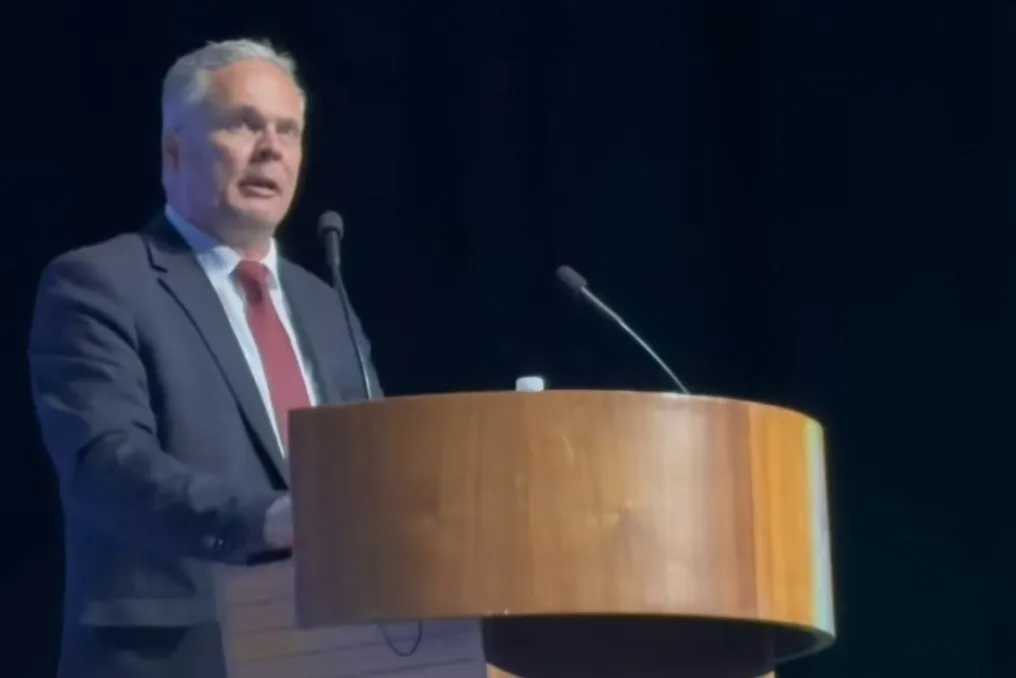
Speaking at the main report, Minister of Agriculture William Aukamp stated that farmers possess the necessary knowledge to stimulate growth in the agricultural sector, and the government's role is to create a favorable environment. Aukamp emphasized that farmers are world-class and fully knowledgeable about their operations.
He insisted that the government should focus on removing obstacles rather than creating additional administrative burdens. The Minister assured that the government's responsibility is to facilitate farmers' work, and he personally commits to this.
Furthermore, Aukamp called for increased collaboration between industry and government, especially when there are disagreements, in addressing issues such as animal diseases, infrastructure, market access, and export growth.
BFAP Director and founder, Professor Ferdie Meyer, thanked BFAP partners for their support and contribution. In turn, BFAP Director and Commodity Markets and Futures Manager, Dr. Tracy Davis, noted that the forecast must be viewed in the context of an increasingly volatile environment shaped by geopolitical tensions, climate phenomena, animal diseases, changing trade conditions, and rising compliance costs.
Davis stressed the need to look beyond current market fluctuations and determine the fundamental direction of the sector's development. She also questioned how this direction could be influenced, changed, and how growth potential could be maximized in the future.
Despite the challenges, agriculture demonstrates resilience. Between 2011 and 2025, the sector grew at an average rate three times faster than the entire economy, even with weak economic development and repeated shocks.
Crop production is expected to face significant short-term pressure following a strong cycle of production and prices. Commodity prices have dropped sharply while high resource costs narrow profit margins. BFAP forecasts that some of the acreage expansion achieved during the high-price period will be reversed, although only about half of the nearly 700,000 hectares added is expected to be lost.
Yield increases in crops such as maize, soy, sunflower, and rapeseed have helped producers remain viable at lower prices. Davis linked this growth to the adoption of conservation agriculture, irrigation, precision technologies, investment in machinery, and improved seed varieties. Most major cereal crops have also transitioned to being net exporters. According to Davis, future growth will increasingly depend on productivity, as acreage expansion remains relatively stable, and commodity prices are expected to rise slower than inflation.
Sugar remains under pressure due to a significant reduction in planting area over the last decade. BFAP expects stabilization at a lower level, while bioenergy may provide an alternative source of demand.
According to Davis, livestock prospects are more positive due to reduced feed costs, which improves profitability. International meat prices have also risen: the FAO meat price index is up 18% compared to five years ago and 4% compared to the previous year. Animal diseases remain the main constraint on export growth. BFAP forecasts annual meat production growth of approximately 1.5%–2%, with faster growth possible if disease risks are reduced and access to premium export markets is improved.
Poultry remains the country's largest meat sector and a net importer, although local producers have reduced imports of mechanically deboned meat. The next step, according to Davis, is the transition from import substitution to export. Beef is increasingly moving towards premiumization, with higher-value cuts making up a growing share of exports.
Horticulture remains a key driver of growth: production is expected to increase by over 20%, and exports by approximately 24% over the next decade. Growth will mainly depend on yield improvements, orchard maturation, variety enhancement, and meeting export standards, while water resources and rising input costs remain constraints. Port delays also pose a risk to fruit exporters. With weak domestic consumer demand, export markets will remain crucial for the sector's future growth.
BFAP analyst Khani Baloyi highlighted the importance of including often overlooked farmers in the narrative of sectoral transformation. She noted that over 100,000 households produce for sale, and about two million households engage in subsistence farming, yet much of this activity remains unregistered and undervalued. Baloyi concluded that as a sector, they must better tell the story of transformation.
Previously, people used to migrate from villages to cities in search of employment, but now rural residents of Uttar Pradesh are earning income while staying in their villages. Animal husbandry is proving helpful in increasing people's income alongside agriculture.
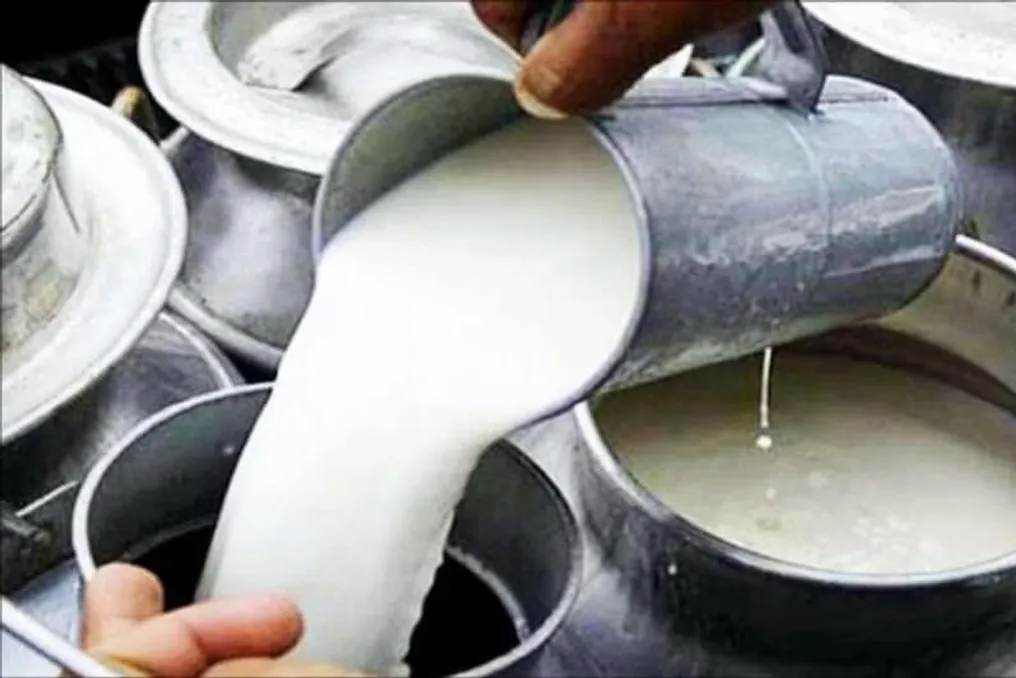
State Dairy Commissioner Dhanlaxmi K. informed that in 2024-25, India produced a total of 248 million metric tons of milk, making the country the world's largest milk producer. Uttar Pradesh alone contributed 38.8 million metric tons to this production. The dairy sector is an important means of supporting the rural economy, empowering women, generating employment, and increasing farmers' income.
Under the Nand Baba Milk Mission, various schemes have benefited a total of 17,994 beneficiaries, and the formation of 4,951 milk cooperatives has created approximately 2.25 lakh direct and indirect jobs. As part of this program, selection letters have been provided to 2100 newly selected beneficiaries of the Chief Minister Swadeshi Cow Development Scheme, more than 1500 beneficiaries of the Mini Nandini Farmer Prosperity Scheme, and more than 450 beneficiaries of the Nandini Farmer Prosperity Scheme across the state.
Due to animal husbandry, strong dairy infrastructure, and active participation of milk producers, the state's dairy sector is reaching new heights. According to Dairy Commissioner Dhanlaxmi K., over 829 Memorandums of Understanding (MoUs) worth more than ₹28,000 crore have been signed to promote the dairy sector in the state.
The implementation of the 'UP Dairy Policy-2022' has greatly benefited the state's milk business. As a result of this policy, the capacity to store and process milk in the state has increased to 39 lakh liters per day, and approximately 10,000 new jobs have also been generated in this sector.