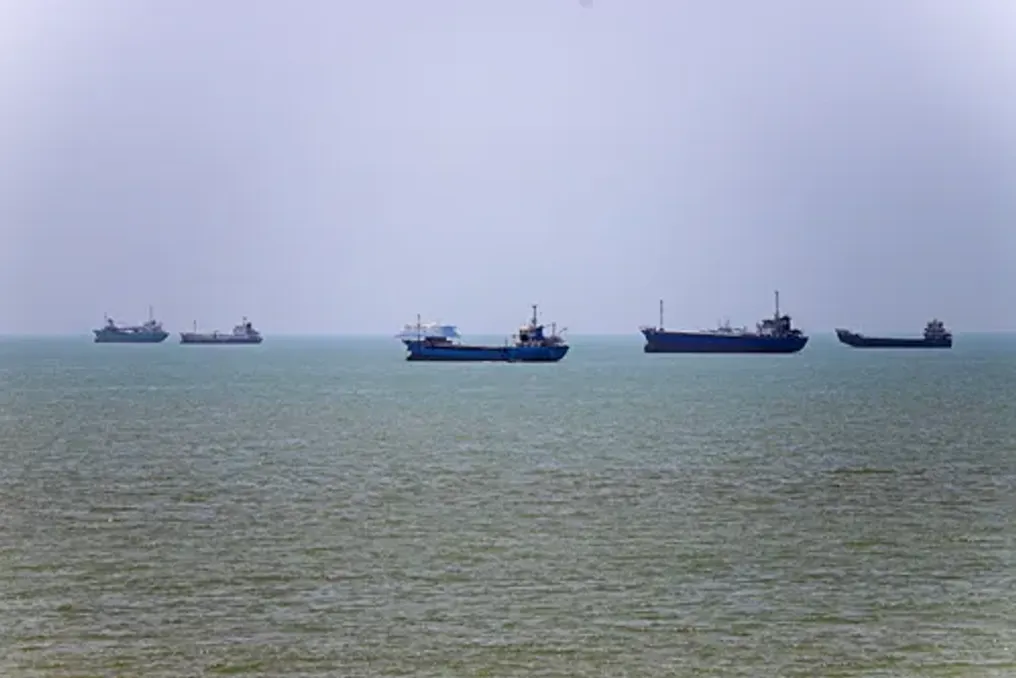
Oil prices continued to rise, while stock markets experienced a downturn on Tuesday as the deal between the US and Iran regarding the resumption of shipping in the Strait of Hormuz remained uncertain. This occurred a day after the expiration of the truce between the warring parties.
Although soft US economic data this month has reduced concerns about an imminent interest rate hike by the Federal Reserve, traders still expect high inflation due to the ongoing crisis in the Middle East and crude oil holding around the $90 per barrel mark.
The situation led to long-term Treasury yields rising to levels unseen since June 2007, shortly before the start of the global financial crisis. This rise is exacerbated by increased borrowing in the US and the massive issuance of corporate bonds to finance artificial intelligence investments.
Chances of reaching an agreement between Washington and Tehran remain low following Donald Trump's statement that he would not extend the 60-day truce stipulated in the memorandum of understanding in June. Iran called the agreement 'irrelevant,' stating that the US violated it at the very beginning.
US presidential envoy and son-in-law Jared Kushner reported that both sides are having 'very positive and active conversations,' but noted that 'after so many years between America and Iran, there is really little trust.'
He also told Fox News that 'President Trump will be very patient... he does not want to rush the deal.' He added that 'he will make the right deal when it is ready.'
Earlier, Trump claimed that Iranian officials 'want to make a deal, but they are not going to make the deal that I think is necessary.'
Furthermore, he threatened to bomb Oman if it 'hinders' the achievement of an agreement, referencing ongoing negotiations between Muscat and Tehran over control of the waterway.
Washington appears willing to play the long game, which raises investor concerns that prices may remain high for some time.
Treasury Secretary Scott Bessent threatened last week to impose on Tehran an economic isolation 'like the world has never seen,' adding that new measures are expected next week. This statement followed Trump saying they 'are keeping the situation secret,' noting that 'we are just watching Iran with its huge inflation and lack of money.'
Both major crude oil contracts rose on Tuesday, continuing to climb more than two percent from the previous day, with Brent trading above $91. Stocks showed mixed performance. Seoul rose more than two percent in early trading after the long weekend but then corrected its gains, while Sydney, Wellington, and Jakarta also showed growth. However, Tokyo, Hong Kong, Shanghai, Singapore, Taipei, and Manila declined.
Global strategist Steven Innes of Quintex Intel noted: 'For weeks, investors were prepared to view war with Iran, oil price volatility, and pressure building at the far end of the yield curve as separate irritants.' He continued: 'Diplomacy was supposed to contain geopolitical risk, oil was supposed to remain manageable, and strong earnings were supposed to support the stock engine. This formula becomes less comfortable when these risks begin to converge.'