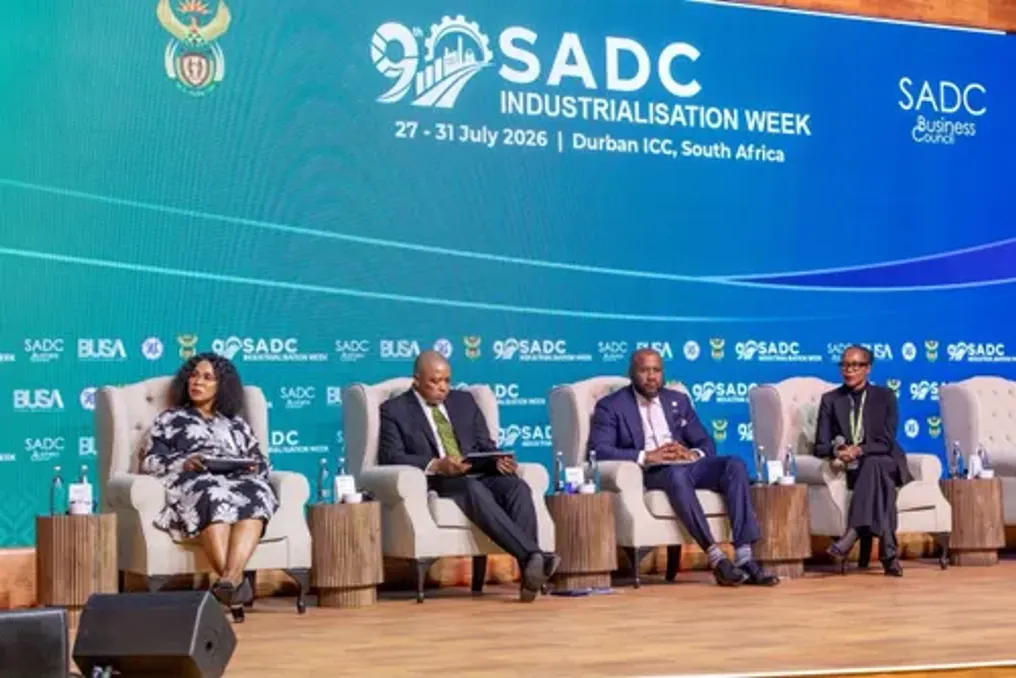
South Africa plans to use its chairmanship of the Southern African Development Community (SADC) to stimulate more active regional trade, processing of critical minerals, infrastructure development, and orderly migration, as member states strive to strengthen economic integration.
Regional leaders will meet in Durban on Monday to hand over the chairmanship, with migration, trade, critical minerals, industrialization, and security on the agenda.
The 46th Ordinary Summit of Heads of State and Government of SADC is scheduled for August 17 at the Albert Lutuli International Convention Centre, gathering representatives from 16 member countries. These countries include Angola, Botswana, Comoros, Democratic Republic of Congo, Eswatini, Lesotho, Madagascar, Malawi, Mauritius, Mozambique, Namibia, Seychelles, South Africa, Tanzania, Zambia, and Zimbabwe.
President Cyril Ramaphosa is expected to take over the SADC chairmanship for the 2026/27 period, and South Africa aims to use its year of leadership to advance regional integration and economic growth.
Minister of International Relations and Cooperation Ronald Lamola stated that South Africa wishes to turn regional commitments into tangible results. He emphasized the need to use this moment to renew commitment to bridging the gap between ambitions stated in regional documents and the capacity of institutions to implement them.
Migration becomes a central theme
One of the issues likely to attract the most attention is migration. South Africa plans to urge SADC countries to ratify the Protocol on Facilitation of Movement of Persons, which will establish a regional framework for human movement.
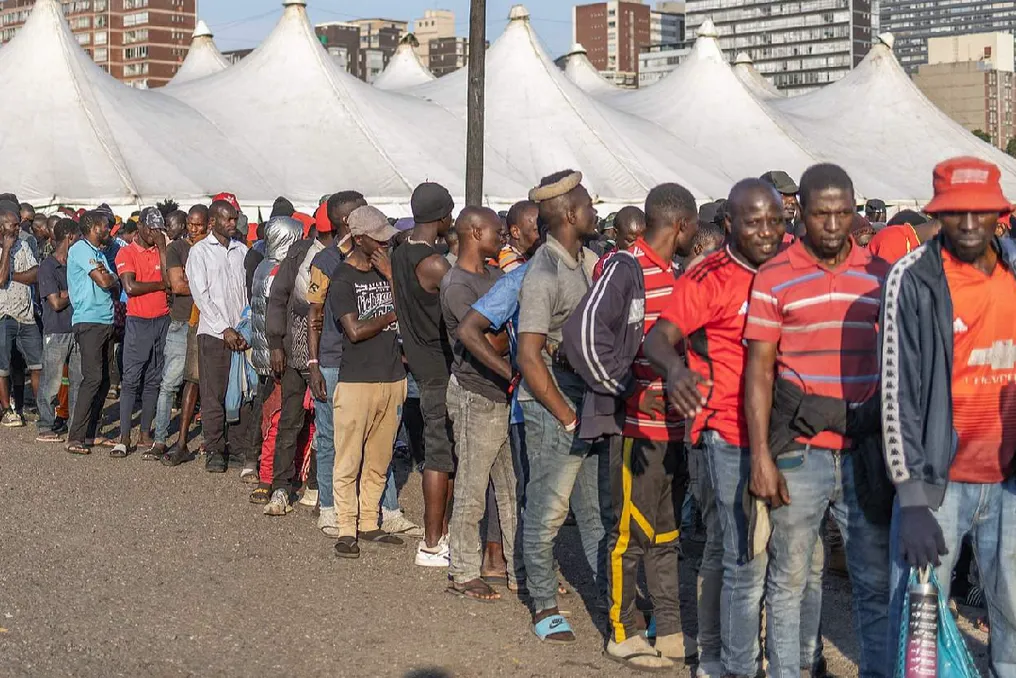
This issue arises against the backdrop of growing tension in South Africa related to irregular migration, border control, and the movement of people from neighboring countries. Lamola noted that migration problems must be solved through legitimate regional cooperation, insisting that addressing irregular migration issues must occur within an orderly and legal system.
SADC Executive Secretary Elias Magosi reported that seven member states have already ratified the protocol, while 11 ratifications are required for it to enter into force. Magosi urged the remaining member states to accelerate the ratification process so that citizens can truly integrate.
South Africa wants to boost regional trade
Economic integration is another key priority for South Africa. The government seeks to increase intra-regional trade within SADC from approximately 20% to 50%, including developing regional trade, production, and investment within its industrialization program.
Critical minerals are central to this strategy. Lamola explained that SADC countries need to derive greater value from resources extracted in the region instead of primarily exporting raw materials. He stated that changing this trend requires processing resources, creating regional value chains, and increasing trade among themselves.
Infrastructure development—including transport corridors, energy, ports, digital networks, and water resources—is expected to support this endeavor.
The importance of critical minerals
SADC possesses significant mineral reserves that are becoming increasingly sought after by global industries. South Africa insists that member states move beyond simple extraction and export of raw materials, instead developing regional value chains, processing, and production. The goal is to retain more economic value within the region while creating opportunities for investment and employment.
Security and protests
The summit will also be an occasion for a major security operation in Durban. NATJOINTS began its security operation on August 3, covering the Durban International Convention Centre, accommodation sites, routes, side events, and public spaces.
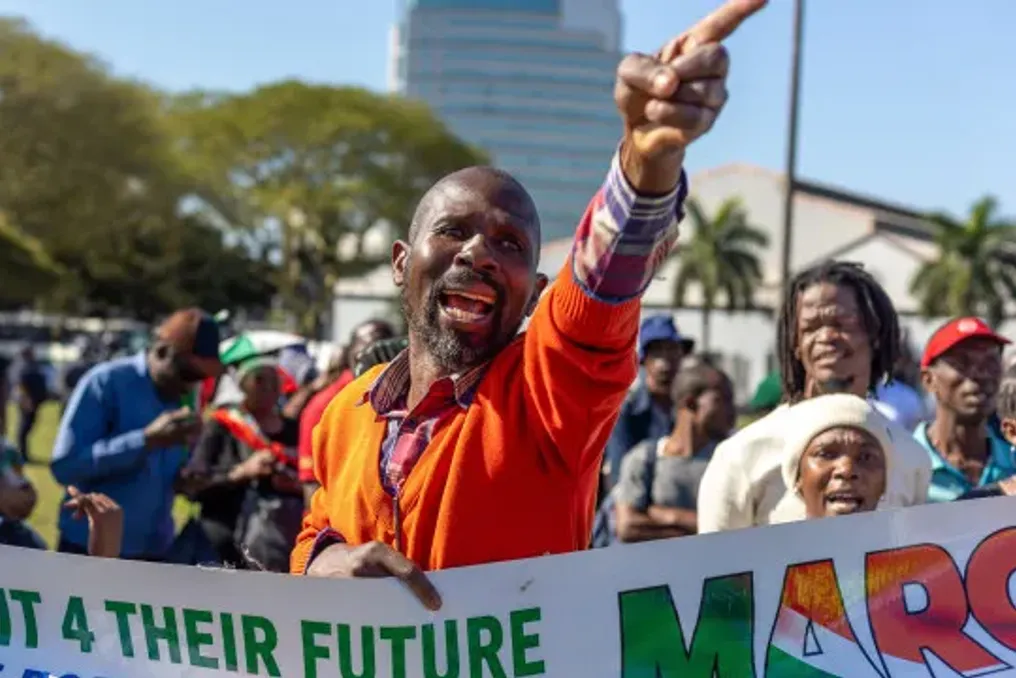
Lieutenant General Tebello Mosikili stated that Durban is ready to host the summit but warned of attempts to disrupt it. He categorically stated that the disruption of the 46th Ordinary SADC Summit would not be tolerated. Authorities emphasized that legal protests are permitted, but crime, intimidation, property damage, and attempts to interfere with the summit will be suppressed according to the law.
What residents of Durban need to know
Changes to traffic around the summit venue are also planned. Volunat Road between Brem Fisher Road and Dr AB Zuma Road will be closed until August 18 as part of preparations for the summit. Drivers traveling in the area of the Durban International Convention Centre should expect increased security and possible disruptions during the summit period.
What will happen on Monday?
Heads of state and government will meet on August 17 for the official handover of the SADC chairmanship to Ramaphosa. The summit will be the first serious test of South Africa's priorities in its year of leadership of the regional bloc. The main focus will be on whether leaders can make progress on regional migration, trade, industrialization, critical minerals, infrastructure, and security. As Magosi warned, broad regional cooperation will be crucial. He concluded that the future of the region will increasingly depend on the ability to trust each other and work together to strengthen regional resilience and advance its own development agenda on its own terms.