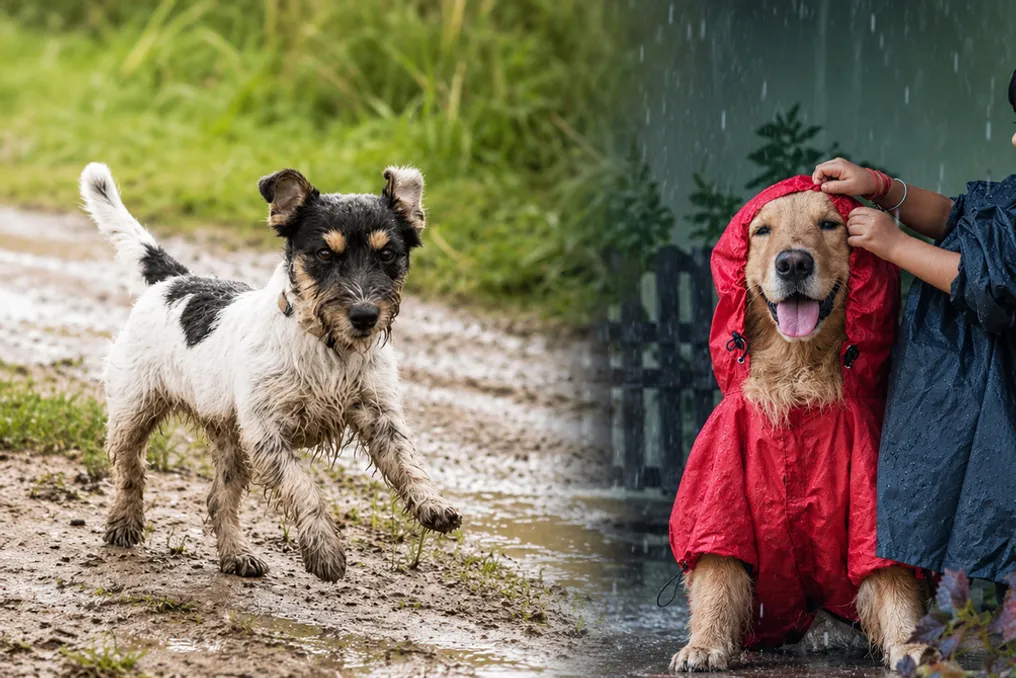
When the first heavy rain of the season begins, dogs often joyfully jump into puddles during evening walks, burying their noses in wet mud. Upon returning home, they wipe themselves in the hallway, settle on the sofa with damp paws under their chin, looking very pleased with themselves. Meanwhile, a cat in the house might watch the rain from the window with clear disapproval, refusing even to touch the water.
According to veterinary surgeon Nishant Verma from Delhi, both animals require extra care during the monsoon period, despite experiencing this time completely differently. He notes that pets are most susceptible to waterborne diseases, paw pad dermatitis, and ear infections during monsoons, emphasizing the importance of caring for them since they cannot report health problems.
After a walk in rainy weather, the ideal time to check the paws is when the dog is relaxing on the sofa. It is necessary to gently run a finger between the dog's toes after every rainy walk, as dirt, sand, and moisture can accumulate between the paw pads and cause irritation. Nishant explains that moisture in parks and on wet streets weakens follicles, which can lead to skin inflammation on the paws known as pododermatitis.
Upon returning home, visible dirt should be washed off with clean water and the paws thoroughly dried, paying special attention to the spaces between the toes and pads, rather than just wiping the surface. For long-haired dogs, it is beneficial to trim the hair between the paw pads to prevent the accumulation of dirt and moisture.
Wet weather also increases the risk of ear problems, especially in breeds with floppy ears, such as Cocker Spaniels and Beagles. Nishant advises gently cleaning the outer part of the ears with a cotton swab during the rainy season, but strictly forbids putting anything deep into the ear canal, as this can cause injury.
Regular brushing is also useful, especially for long-haired dogs. Nishant states that brushing twice a day helps prevent the fur from clumping into wet knots. However, he warns against the temptation to bathe the dog every time it comes home smelling of rain. Nishant recommends bathing dogs every two to three weeks with an antifungal shampoo, unless otherwise advised by a veterinarian, as bathing too frequently can strip the skin and fur of natural oils.
Even if a cat does not want to go outside during a downpour, it does not mean it is completely protected from monsoon-related issues. Special attention should be paid to the litter box. Moisture can make the litter damp and unpleasant, so the litter box must be cleaned regularly and wet or soiled litter immediately replaced. Maintaining a dry and clean toilet area is critical during the rainy season.
Warm and humid weather creates favorable conditions for ticks and fleas. To protect the pet, preventive treatment approved by a veterinarian can be used, such as spot-on treatments, oral medications, or collars. It is important to consult a veterinarian about the appropriate option instead of choosing randomly. It is also worth regularly examining the pet's coat, especially after walks in parks or other areas with grass and vegetation.
Puddles in the rainy season may seem irresistible to some dogs, but stagnant or contaminated water can contain pathogens that cause diseases. It is necessary to ensure the pet has access to fresh, clean drinking water at home and discourage it from drinking from puddles or stagnant water outdoors. Nishant also advises giving easily digestible, gentle food if the pet has mild stomach upset. However, persistent vomiting, diarrhea, loss of appetite, or unusual lethargy should not be treated at home without veterinary consultation.
Sometimes the safest walk is no walk at all. If heavy rain has made roads or walking areas unsafe, keep the dog occupied at home with games such as tug-of-war, basic training, or using a puzzle feeder. Cats can also benefit from interactive toys and indoor play, especially when spending more time inside.
Monsoon does not mean the pet has to give up favorite habits; it simply requires a little more attention to the details: clean paws, dry fur, fresh water, a clean litter box, and regular check-ups. If you notice constant itching, redness, swelling, ear discharge, lameness, vomiting, diarrhea, or any other unusual changes in behavior, it is best to consult a veterinarian. A few minutes of care after a rainy walk can significantly contribute to your four-legged friend's comfortable stay throughout the season.