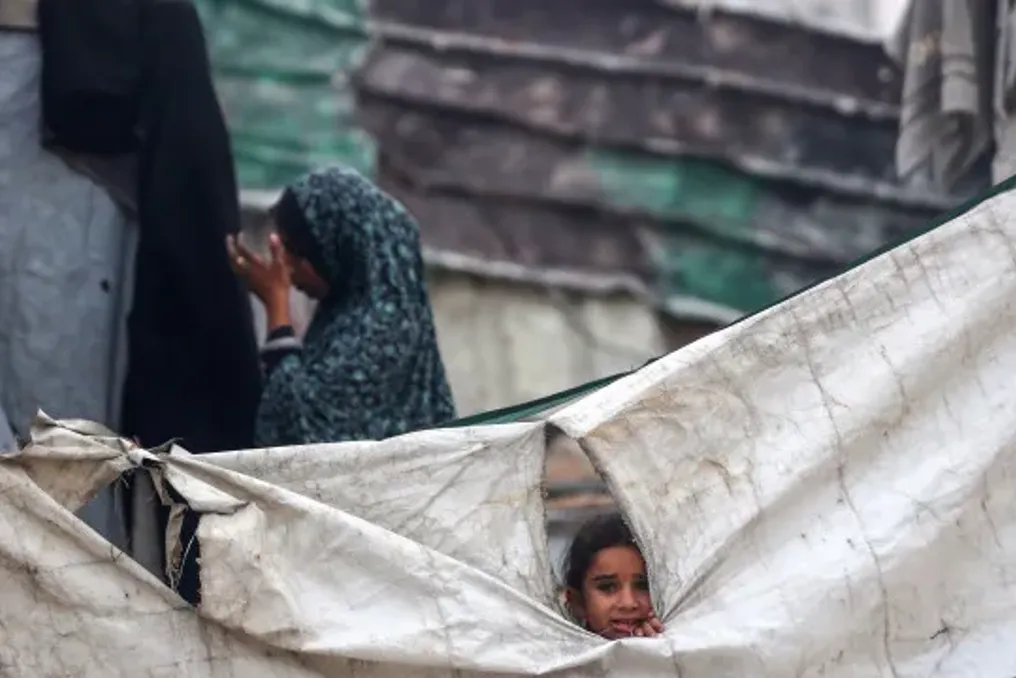
In life, there are moments when it seems like everything is falling apart: a dream might fail, relationships might end, a career might change drastically, or circumstances might become incomprehensible. In such periods, it is easy to conclude that the situation will never improve. However, one of life's most enduring truths lies in the simple idea: 'As long as there is life, there is hope.'
As long as we are alive, the possibility for change remains. Hope does not guarantee that everything will become easy immediately; rather, it gives us the courage to believe that the current situation is not necessarily the final chapter of our story. What seems permanent today might look completely different tomorrow.
Understanding the Nature of Failure
When people face disappointment or failure, they often assess their future through the lens of one painful moment. Losing a job can feel like the end of a career, failing an exam can feel like the end of ambition, and a mistake made can breed the conviction that success is impossible.
Nevertheless, life rarely follows a straight path. Many successful journeys include periods of uncertainty, rejection, setbacks, and delays. A difficult phase may influence a person's story, but it should not become their entire story. Hope allows us to leave room for opportunities we cannot yet see.
Sometimes hope is not a grand feeling of optimism, but something much more modest. It might mean getting out of bed after a hard day, applying for another opportunity after a rejection, trying again after a failure, or simply believing that tomorrow deserves a chance.
This kind of hope stimulates movement. When people believe in the possibility of improvement, they are more willing to take the next step. Even a small step can eventually lead somewhere significant. Without hope, difficulties can stop us, but with it, they become what we learn to overcome.
Failure is often perceived as proof of one's own inability. However, failure can also reveal weaknesses, teach patience, and force us to reconsider direction. Rejection from an opportunity can guide a person toward a better one, and a failed plan can prompt them to develop a completely different approach.
The important lesson is not that every failure automatically leads to success. Rather, it is that failure should not be the final verdict. There is always a possibility for another attempt, a new idea, and a new direction. Hope keeps these possibilities open.
Patience and Accepting Change
Modern life often encourages immediate results. We expect rapid progress in careers, relationships, education, and personal goals. When results arrive slower than expected, we may decide that nothing is happening.
However, some of the most important life changes require time. Mastering a skill, regaining confidence, recovering from disappointment, or creating something meaningful rarely happens overnight. Hope teaches us to be patient, continuing to work on what we desire.
Patience does not mean inaction. It implies continuing to act even if the results have not yet arrived. Pain has a tendency to make the present immutable. When we struggle, it is hard to imagine ourselves in a different state in the future. Nevertheless, circumstances are constantly changing.
A person who feels lost today might find a new direction months later. Someone who experiences rejection may eventually find a suitable opportunity. A period of uncertainty can turn into an experience that teaches resilience.
Hope reminds us that the future is not yet written. There are still many choices, lessons to learn, and opportunities that have not yet appeared.
Hope becomes stronger when we learn to appreciate small improvements. Progress does not always look dramatic. Sometimes it is simply gaining more confidence, learning a lesson from a mistake, completing one task, or showing the courage to try again.
Small progress creates momentum. One positive decision can lead to another, and ultimately these small decisions can cause significant changes. We do not always need to know where the road will lead; sometimes hope is enough to take the next step.
Being full of hope does not mean never experiencing fear. A hopeful person can still feel anxiety, disappointment, and uncertainty. The difference is that fear does not completely control their decisions.
Courage often exists alongside fear. We move forward not because we know everything will work out, but because we believe that the attempt is still worth the effort. Hope gives us the strength to act despite uncertainty.
One of the simplest reasons to hold onto hope is that every new day creates opportunities that were not there yesterday. A conversation can change a relationship, an opportunity can change a career, and a decision can change a habit. A new idea can change the direction of life.
We cannot predict all future opportunities. This uncertainty can be frightening, but it can also be beautiful. The future remains open, which means change remains possible.
The meaning of the phrase 'As long as there is life, there is hope' ultimately serves as a reminder not to confuse a difficult moment with an ultimate end. Life can surprise us in ways we cannot foresee. What seems impossible today can become achievable tomorrow, perhaps along a path we never expected to choose.
Hope does not require ignoring reality. It asks us to acknowledge that reality is capable of changing. As long as we are here, we can learn, adapt, start over, and make different choices. Sometimes this is enough: the understanding that the story is still being written.