In India, the discussion about electric vehicles (EVs) often boils down to the topic of 'range anxiety.' This phrase has become synonymous with everything that hinders their widespread adoption, and the premise behind this concept is the assumption that the problem lies in the size of the battery. However, this view is not entirely correct. The industry's excessive focus on range figures distracts from what actually determines a person's trust in using an electric vehicle in daily life.
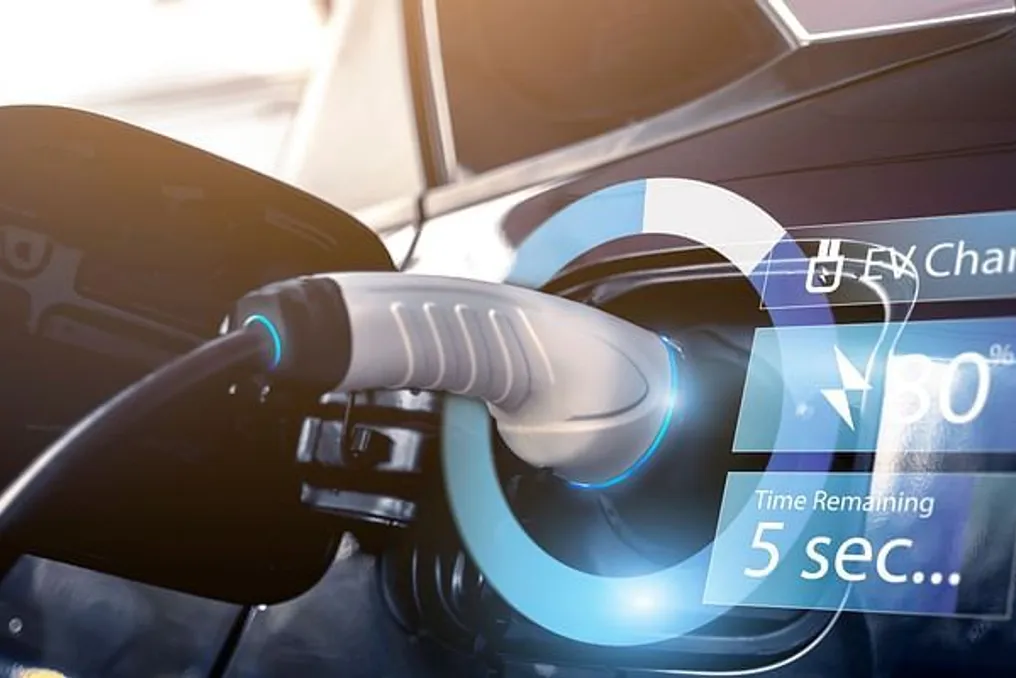
The real reason for the concern is not how far the car can travel on a single charge. The problem arises when the charge level starts to drop: will there be an accessible charging station nearby? Will it be free? Or will it even be functional, and the driver will discover a non-working device without any warning? This is not range anxiety, but rather uncertainty that requires a different solution.
This can be compared to behavior around traditional fuel. A gasoline car with 40 kilometers left in the tank does not cause panic because the driver knows that many gas stations are within reach, and they all function similarly; thus, there is no ambiguity regarding availability. The anxiety associated with EVs is not in the number on the dashboard, but in the lack of this same certainty.
Charging infrastructure in India has expanded significantly in recent years, and formally, coverage in most urban corridors has ceased to be a bottleneck. Nevertheless, the level of anxiety has not decreased proportionally because the infrastructure was built with an emphasis on presence, not visibility. The mere existence of a charger on a map does not guarantee the driver knowledge of its functionality, occupancy, or expected waiting time when it is truly needed.
The EV ecosystem in India needs to rethink its approaches. The next stage of infrastructure development must pay as much attention to real-time information acquisition as it does to physical deployment. Drivers must know the status of a charging station before deciding to deviate from their route. They need a realistic estimate of waiting time, not just a marker on a map. They need transparency regarding station occupancy, similar to how passengers check traffic conditions before choosing a route.
Solving these problems does not require new equipment standards or a breakthrough in battery technology. It simply requires the implementation of connected systems that accurately and consistently transmit status, and operators must treat this data as a basic service, not a secondary function.
There is also a behavioral aspect. Uncertainty leads not only to inconvenience but also changes decisions even before the trip begins. A driver unsure about the availability of charging stations will compensate with excessive actions: charging more often than necessary, avoiding certain routes, or deciding that EVs do not fit their lifestyle. All of this is mistakenly attributed to battery range, when the true limitation was the lack of knowing what to expect at the end of the journey.
Fixing the situation does not mean that every charging point must be perfect or every station free of queues. It requires the system to be honest and up-to-date regarding its current state. A driver who is accurately informed about a station's occupancy and realistic waiting time can plan their route. A driver who arrives at a silently non-functional device without warning loses trust in the entire network, not just that specific unit. Reliable information is far more important than reliable hardware, as failures in status data accumulate quickly. One negative experience with unreliable status data colors all future decisions about relying on public charging.
As the EV ecosystem in India matures, the discussion must move beyond technical specifications of batteries and the number of charging stations. These metrics are important, but they only answer the question of infrastructure availability. They do not answer the question drivers ask at the moment they need to charge: can I trust the information about this station right now?
The solution to this problem is not laying more cables, but creating a layer of visibility that gives drivers confidence in what awaits them on site. This is the anxiety that deserves resolution, and it never concerned the battery itself.