In the past, expatriates in the United Arab Emirates had to wait up to three days to receive urgent money to send to their families, for example, a sick relative. This situation was typical in the 1960s when Al Ansari Exchange opened. Today, the same transfer can arrive in just three seconds.
Rashed A. Al Ansari, CEO of Al Ansari Financial Services, recalls the early days characterized by the use of paper ledgers, carbon copies, and traveler's checks. He notes that the process is now instantaneous: 'By the time you touch the door handle of the branch to leave, the funds have already been credited to the recipient's account.'
The UAE money transfer industry has undergone significant changes over the last five decades due to technological progress, which has made transfers from the UAE to many recipient countries virtually immediate.
The UAE is one of the world's largest outbound remittance markets, sending billions of dollars abroad annually. This is because most expats, making up about 85 percent of the country's population, send funds to support their families in their home countries.
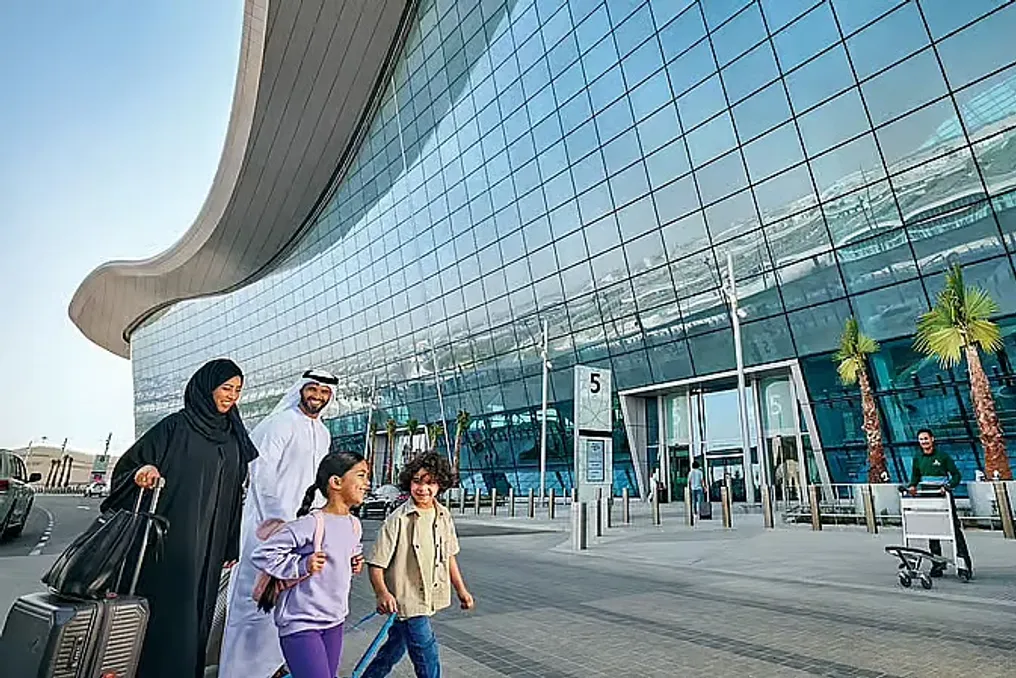
The financial sector has developed in several directions. Previously, when families traveled to other countries, they were forced to carry large amounts of cash in hotels and while moving around the country. The introduction of travel cards allowed people and families to load thousands of dirhams for purchases and leisure, as well as withdraw cash from ATMs as needed.
Rashed added that the company is proud to have made travel easier for customers in terms of carrying foreign currency.
Technological progress is accompanied by stricter compliance requirements. According to Rashed, today the biggest obstacle to speed is not technology, but compliance. Real-time verification of senders and recipients, necessary to detect suspicious names or accounts, sometimes requires manual review with partial data matches. To solve this problem, the company is implementing artificial intelligence capable of comparing details such as dates of birth in fractions of a second, thereby eliminating false positives that would otherwise require human intervention.
Al Ansari's history dates back to 1966. The founder initially dealt in food trade, bringing goods into the region. However, when the oil boom in the UAE attracted a wave of expatriate workers wishing to send money home, Al Ansari saw an opportunity and began transferring money using his existing trade connections. He received a license from the Emirate of Abu Dhabi five years before the formation of the UAE itself and opened the first branch in the Central Market of Abu Dhabi.
Speaking about his childhood, Rashed mentioned growing up close to the business. 'I attended Al Ahmadiya Primary School, and my father had a branch nearby. He often asked me to come to the shop after school, and then he would take me home.'
These afternoon hours at the branch, where he watched his father interact with customers and even answered calls himself, shaped the values that guide the company to this day: trust, reputation, and keeping promises.
Over six decades, this small branch has grown into the largest exchange and payment company in the UAE, boasting over 280 branches and continuing to expand, with expectations of reaching the 300 mark. The company emphasizes that the goal is not to reach a specific number, but to expand the network according to customer demand.
The group has also expanded its operations to Bahrain, where it is a major player, as well as to Kuwait and India. Recently, the company acquired BFC Group in Bahrain for $200 million and expects regulatory approval to enter the Omani market.
When Al Ansari Exchange launched its application in 2018, only about one percent of its operations were conducted online. The situation changed drastically after the start of the Covid-19 pandemic. Rashed noted that it was a dream for him when the share of digital transactions was one percent. Now this figure has reached 30 percent, and he predicts it will reach 60 percent within the next five years. Some months, the app processes more than 600,000 transactions.
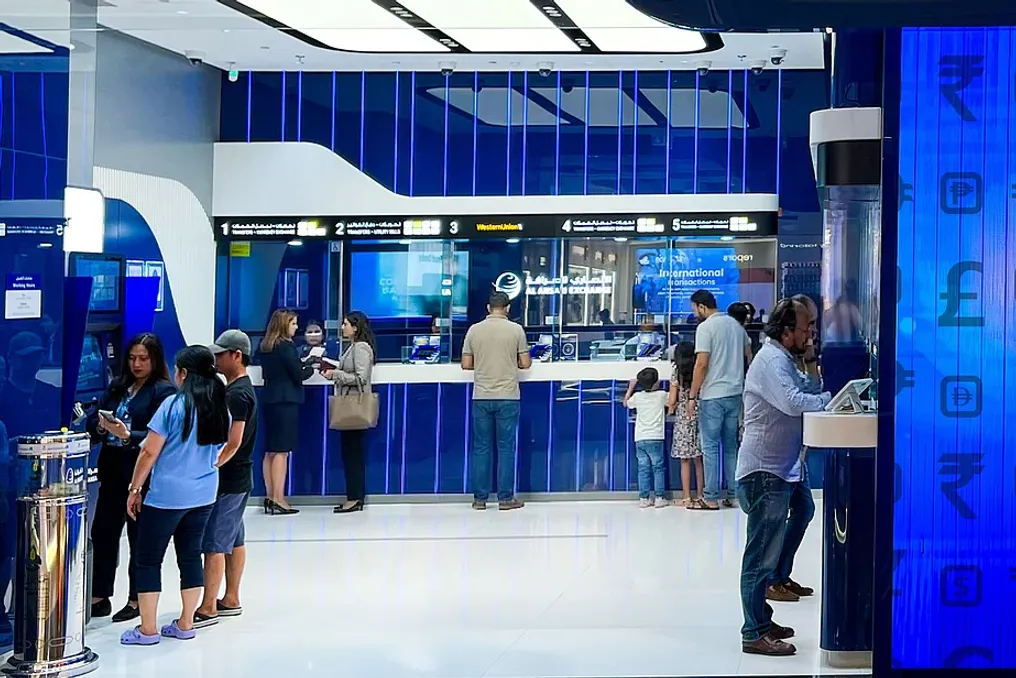
Nevertheless, many customers, especially local workers and laborers, still prefer to visit branches, which is explained by habit, language barriers, or lack of a smartphone.
To celebrate the company's 60th anniversary this year, Al Ansari is particularly proud that in 60 years of operation, it has never been fined by the Central Bank of the UAE. He states that the company strives to be a role model in terms of compliance, working closely with regulators so that new rules do not create excessive burdens on ordinary customers.