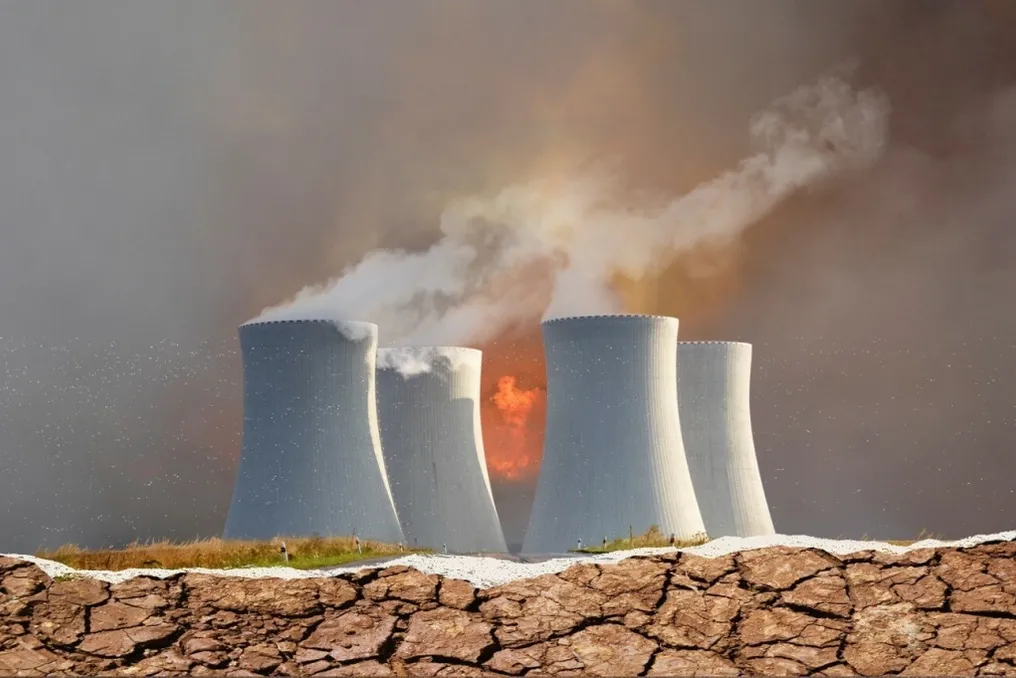
Abnormal heat presents a serious challenge to the functioning of energy systems. Since air conditioners significantly increase electricity consumption, high temperatures simultaneously create additional loads on both power plants and electrical grids. In Uzbekistan, a record daily consumption of 301.9 million kilowatt-hours was recorded on July 20, and the maximum load on the energy system reached 14.2 GW. Analysis is underway on how extreme heat affects different types of generation, why power units may reduce capacity or temporarily shut down under such conditions, and what measures are being taken to adapt the energy sector to new temperature challenges.
The main reason for increased consumption on hot days is the growing demand for room cooling systems. According to data from the International Energy Agency, global electricity consumption allocated to air conditioning has increased by approximately 50% since 2015. Currently, cooling accounts for about 10% of total annual electricity consumption, but this share in peak load has already reached approximately 30%. The higher the ambient temperature, the greater the load on air conditioners and, consequently, the higher the electricity demand during peak hours.
Thus, heat has a dual impact on the energy system: on one hand, it causes a sharp increase in energy demand, and on the other, it worsens working conditions for some production equipment.
How high temperature affects different energy sources
The impact of heat varies significantly depending on the type of generation used. For example, gas turbines can lose some of their potential power due to air heating, as rising temperatures lead to a decrease in the density of air entering the turbine. Simultaneously, the efficiency of solar panels decreases when they overheat.
Power lines and transformers are also subjected to additional thermal stress. Rising temperatures limit the ability of these components to efficiently transmit and distribute electricity, especially when peak demand is reached.
Hydropower faces its own specific risks, as its output directly depends on the water level in rivers and the inflow into reservoirs. In the Global Energy Review 2026, the International Energy Agency points to a decline in hydropower generation in several regions, including Europe, Central and South America. This resulting deficit often had to be compensated by using fossil fuels.
Special attention is paid to water, which is used for cooling power plants. This system is critically important not only for nuclear but also for coal and many gas power units. If a power plant uses water from a body of water or a river, a drop in the water level or its excessive heating can lead to power limitations. Therefore, reports of temporary reduction in output or shutdown of individual power units during heatwaves and low water levels do not always indicate an accident.
Reasons for temporary power unit shutdown without an accident
The International Atomic Energy Agency acknowledges that extreme weather and environmental conditions can act as factors requiring protective measures, power reduction, or temporary shutdown of a power unit. For instance, if the cooling water temperature becomes too high, it may require reducing the station's power output to comply with established temperature norms. In cases of low water levels, a decrease in the available water volume may also necessitate a reduction in power or a temporary suspension of operation to maintain necessary cooling capacity and ensure safety reserves.
This implies that climatic and hydrological parameters must be considered not only at the stage of station design but throughout its entire operational and modernization period. Nevertheless, nuclear energy retains the status of a controllable source of electricity. The International Energy Agency emphasizes that nuclear power plants are capable of providing large-scale, round-the-clock generation and serving as a complement to renewable energy sources.
For energy systems where the share of solar and wind generation is constantly growing, this is particularly important: nuclear power plants guarantee stable output at times when energy production at solar and wind facilities depends on the time of day and weather conditions.
Preparing nuclear power plants for hot climates
A nuclear power plant's ability to operate in conditions of extreme temperatures is largely determined by the specific project and the characteristics of the construction site. Alexey Likhachev, head of Rosatom, stated that Russian projects are initially developed taking into account the climatic and natural characteristics of the construction site. He noted that there are northern NPPs (Kolskaya, Bilinskaya, floating), projects for temperate climates, as well as stations and projects designed for hot and arid zones, such as 'El Dabaa' in Egypt. Each such project is created individually based on local conditions—including air temperature, hydrology, wind regimes, water supply features, and seismic activity.
A good example is the experience of the Rostov Nuclear Power Plant. According to Likhachev, in this region, air temperatures can exceed 40 degrees in the summer. After the commissioning of new power units into full operation, it was found that during the hottest periods, the technical water temperature rose above optimal levels. To eliminate this problem, an additional complex of ventilation cooling towers was commissioned in 2021. These cooling towers work together with the main cooling system and forcibly enhance the heat exchange process during severe heat, allowing the power unit to continue operating without reducing power and maintaining stable output. A similar complex is currently being built for another power unit.
Significance of the situation for Uzbekistan
For Uzbekistan, where summer electricity consumption peaks regularly set new records, the issue of energy system stability in the face of extreme heat is becoming increasingly significant. High temperatures simultaneously increase the load on the entire system and place higher demands on the operation of generating capacities, networks, and cooling systems. Therefore, when creating new energy facilities, it is crucial to consider not only their nominal capacity but also the actual climatic conditions of the site, the availability of water, and the equipment's ability to function during periods of maximum demand.
However, heat itself does not provide a definitive answer as to which electricity generation technology is more reliable. Rather, extreme temperatures demonstrate the level of preparedness of a specific power plant and the entire energy system to operate under maximum load, as well as the degree to which possible climate risks were taken into account during the initial design phase.