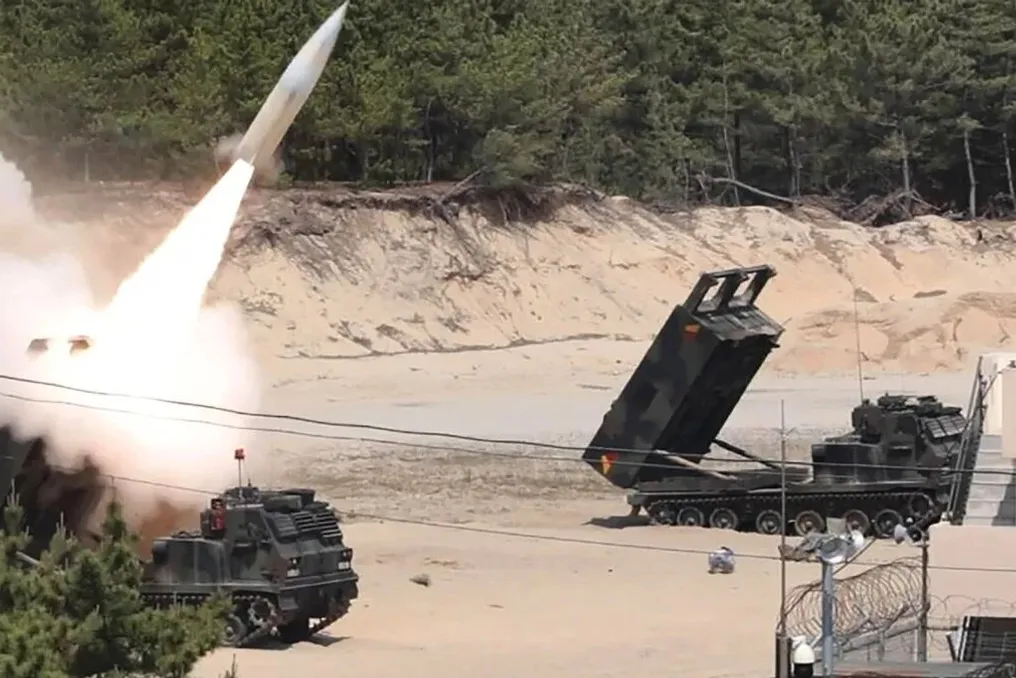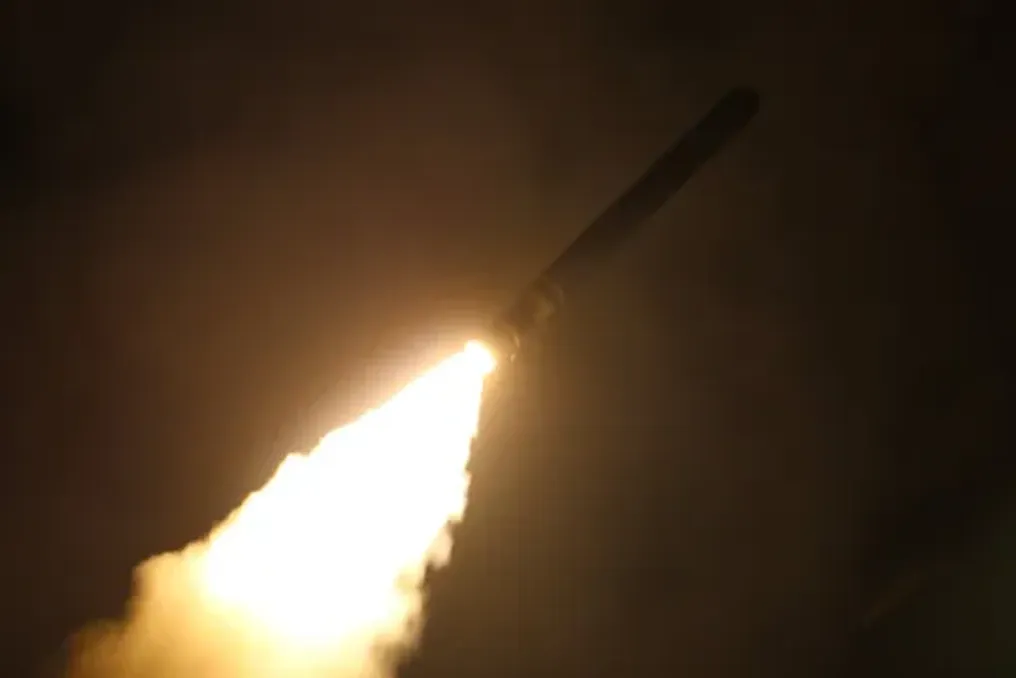
The United States is accelerating the manufacturing of Tomahawk missiles through a contract of great historical importance. This measure occurs amid a shortage of ammunition, resulting from the conflict between the United States and Iran. The reduction in missile stocks was pointed out by the American Democratic opposition and experts, although the administration of US President Donald Trump vehemently denies this allegation.
Tomahawk missiles, which are long-range cruise missiles, are primarily launched from submarines or ships and have the capability to hit targets more than 1,600 kilometers away.
Hung Cao, interim assistant secretary of the Navy, communicated through the US Department of Defense (Pentagon) that ensuring that naval and joint forces possess the essential lethal firepower to protect national territory and deter aggression is a top priority.
The same official guaranteed that this significant investment of 22.9 billion dollars (equivalent to 19.7 billion euros) will result in an unprecedented pace of delivery of Tomahawk missiles to combatants. He also stated that the Department of Defense is using all available resources to meet the demands of current operations.
This equipment of the American naval forces was a factor involved in the disagreement with former Secretary of the Navy, John C. Phelan, who resigned last April during the US naval blockade in the Strait of Hormuz.
A study conducted by the Center for Strategic and International Studies (CSIS) in July revealed that US interceptor missile stocks—which are not Tomahawk—have decreased considerably since the start of the war with Iran, which began on February 28 of this year.
According to the American research center, which estimates that this stock has been reduced by at least half since the beginning of the conflict with Iran, the United States had over 2,300 Patriot interceptors and 450 THAAD air defense systems at the beginning of the year.
In July, the Pentagon announced the signing of a $58.6 billion (50.5 billion euros) contract with Lockheed Martin, valid for seven years, intended for the production of Patriot missiles. The company committed to delivering these interceptors 'at an unparalleled speed.'
With this volume of agreements, Washington seeks to offer its industrial partners the stability and predictability necessary for them to 'expand their workforce, increase production rates, and strengthen supply chains.'