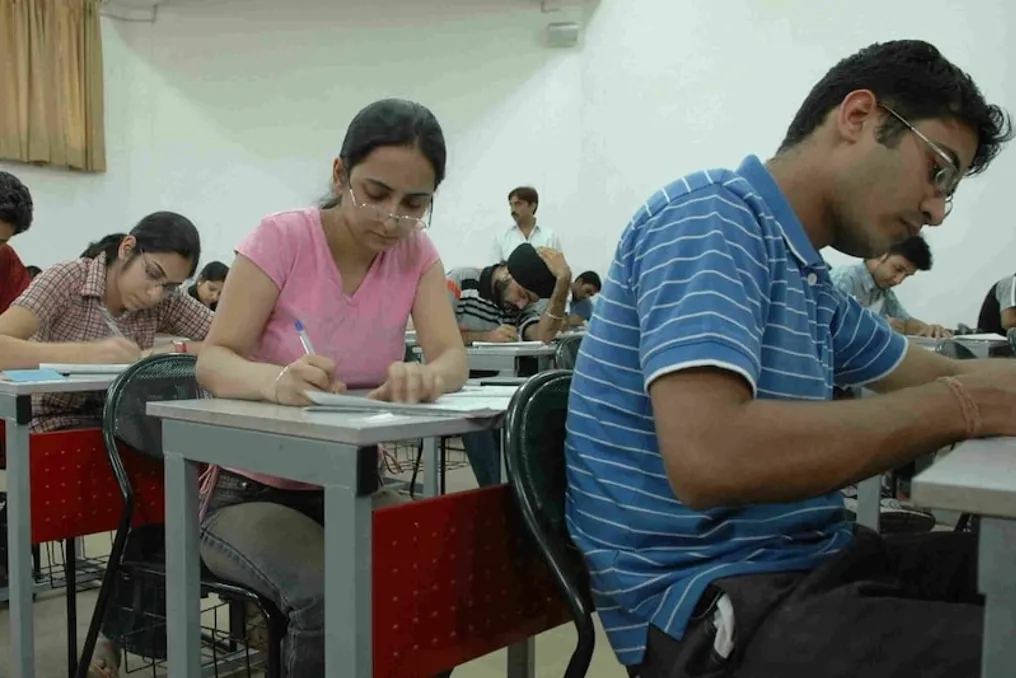
The disclosed data indicates that the percentage of young people aged between 20 and 24 who are neither studying nor working increased from 8.8% in 2022 to 10% in 2025. Despite this increase, the rate of young people classified as 'neither-nor' in Germany remains below the European Union (EU) average, which reached 12.9% the previous year.
Regarding gender, the proportion of women in this age group who are neither studying nor working in Germany is marginally higher than that of men, totaling 10.5% for women and 9.6% for men.
According to 2024 information from the German National Education Report, it was found that 25% of unemployed young people were seeking job opportunities and considered themselves unemployed. Furthermore, 66% of these young people were not available for the labor market, 6% planned to start vocational training or university studies soon, and 4% were about to start a new job.
Consulting data from Destatis, the lowest rates of young people who are neither studying nor working in the EU were recorded in the Netherlands (5.6%), Sweden (7.3%), and the Czech Republic (7.6%). In contrast, the highest rates were observed in Romania (22.8%), Bulgaria (17.3%), and France (16.2%).
Additionally, data from May by the European statistical service Eurostat, covering the 'neither-nor' generation aged between 15 and 29, showed that the rate of those who were not working, not studying, nor in training in Portugal last year was 9%, representing a notable reduction compared to the 13.1% registered in 2015.